Rising global debt is one of the quiet reasons supermarket prices still feel “stuck”, even when inflation headlines look calmer.
As of March 2026, a typical grocery basket in many countries remains well above pre-pandemic levels, and the path back down is not straightforward.
Debt matters because it changes the price of money.
When the world borrows more, lenders usually demand higher returns, and central banks are less able to cut rates quickly if they are worried about inflation coming back.
That pushes up costs across the system that gets food from field to shelf.
The impact is rarely a single, obvious surcharge.
It shows up as slightly higher interest on a supermarket’s loans, pricier insurance, more expensive fuel hedging, and tighter credit terms for smaller suppliers.
Add it all together and it can keep everyday prices elevated, even if global commodity prices soften for a while.
The Invisible Link Between Sovereigns and Supermarkets
Global borrowing is climbing, and the price of money is rising with it.
In 2026, governments and companies are expected to borrow about $29 trillion, up roughly 17% from two years earlier.
That headline number matters because government borrowing does not stay in “government-land”.
Sovereign bonds are the benchmark for pricing everything else.
When bond yields rise, banks and investors tend to reprice loans to businesses, including farms, food manufacturers, shipping firms and retailers.
Heavy sovereign borrowing can also create competition for capital.
If investors can get attractive returns lending to a large government, they may demand even better returns to lend to a smaller, riskier private borrower.
That gap is where the food system gets squeezed, especially at the lower end of the supply chain.
Small farms, independent hauliers and mid-sized processors often have less bargaining power with lenders.
They also tend to run tighter cash buffers, so a jump in financing costs hits faster.
The US provides a high-profile example of the dynamic.
US federal debt held by the public is at about 101% of GDP this year, with official projections putting it near 120% by 2036.
Net interest costs in the US are now running above $1tn a year, leaving less fiscal room for subsidies, tax relief, or investment that can lower input costs.
The consumer angle is simple: when governments spend more on debt interest, they often have fewer options when essentials spike.
That can mean less ability to cushion fuel costs for logistics, to support farm investment, or to cut taxes temporarily without adding even more borrowing.
In some countries it can also mean fewer resources for fixing the “unsexy” parts of supply chains.
Cold storage capacity, port upgrades, rail freight, and road maintenance all affect food costs.
When those investments are delayed, waste rises and delivery becomes less reliable, and retailers pay more to keep shelves stocked.
Debt can also influence currencies.
If markets worry about debt sustainability, a currency can weaken, and imported food, fertiliser, animal feed, packaging, and machinery become more expensive in local terms.
That kind of price pressure lands quickly in categories like cooking oil, rice, coffee, cocoa, and out-of-season fruit.
Higher borrowing costs then move through the chain in a predictable way.
Farms pay more for seasonal credit.
Producers pay more for working capital to buy ingredients and packaging.
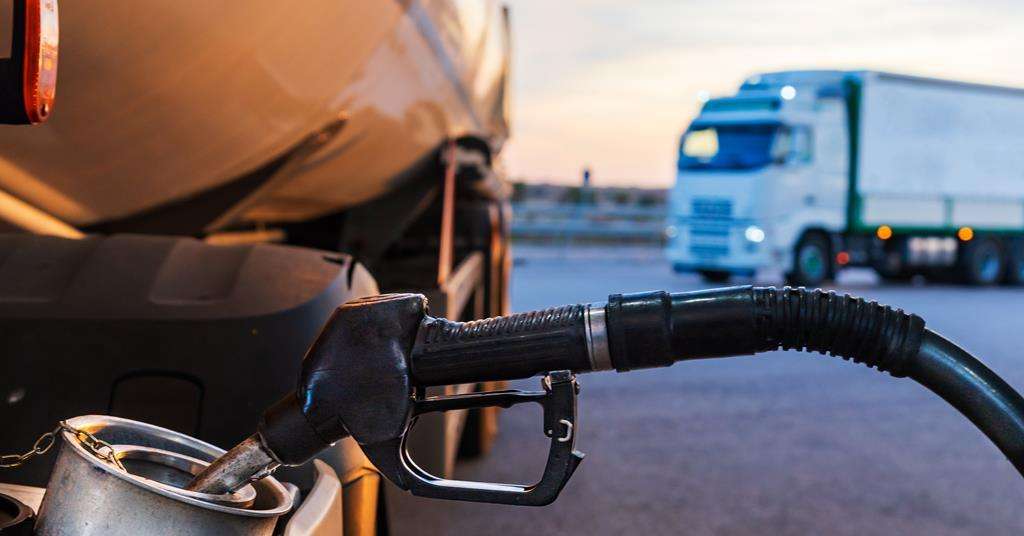
Hauliers pay more to finance fleets and manage fuel costs.
Retailers pay more to finance inventory and store expansion.
Those higher costs are not always passed on immediately, but they often end up in shelf prices as contracts renew.
Sticky Prices and the Persistent Cost of Logistics
Food prices are not just about wheat futures or the cost of crude.
They are also about the “plumbing” of the modern economy: transport, storage, refrigeration, packaging, and the finance that keeps it all running.
That is why food inflation can stay stubborn even after broader inflation falls.
Global inflation is forecast to cool to about 3.1% later this year, from 3.4% in 2025.
That still means prices are rising, just more slowly.
If inflation is still positive, the weekly shop is still getting more expensive in cash terms.
The issue for many households is that wages may rise, but they are trying to catch up with a multi-year jump in prices.
Debt and higher rates add friction here because they increase the “carry cost” of goods.
Supermarkets and suppliers do not only pay for production.
They pay for time.
Every day a product sits in a warehouse, every week a shipment is in transit, and every month inventory is held to avoid empty shelves, somebody is financing that stock.
When borrowing is expensive, the cost of holding inventory goes up.
That encourages leaner inventory and more frequent deliveries, which can raise unit costs.
It also makes supply chains more sensitive to disruption, because there is less slack in the system.
Transport and storage costs are also staying elevated, because ships, depots and refrigerated fleets are capital-heavy and financing costs do not unwind quickly.
Shipping, warehousing and refrigeration are particularly rate-sensitive.
A refrigerated trailer, a cold room, or a distribution centre is an expensive asset that is often financed.
When rates rise, replacement and expansion get delayed, and the existing capacity becomes more valuable.
That can translate into higher fees for storage and distribution, especially during peaks like Christmas, heatwaves, or crop shortfalls.
Energy and labour remain pressure points as well.
Even when energy prices fall back from spikes, the cost structure does not always reset.
Firms sign contracts, hedge energy, and negotiate wages based on expectations and recent history.
If they are also servicing more expensive debt, they are more likely to defend margins by raising prices or shrinking pack sizes.
That is one reason “shrinkflation” has become a practical reality for shoppers.
The sticker price may not jump as much, but the value per gram or per unit does.
Debt pressure also changes how companies price risk.
If a producer is paying more to borrow, it may demand faster payment from retailers.
Retailers may respond by pushing longer terms down to smaller suppliers.
Those suppliers then borrow more to bridge the gap, and the financing cost gets embedded in the price of the final product.
For consumers, it can be hard to see, but it is there in the background, baked into everyday categories like bread, dairy, ready meals and meat.
The Erosion of Purchasing Power in a High-Debt Era
The immediate issue for households in March 2026 is purchasing power.
Pay has risen in many places, but it has not always matched the cumulative jump in prices since 2022, especially for essentials like food, rent, and energy.
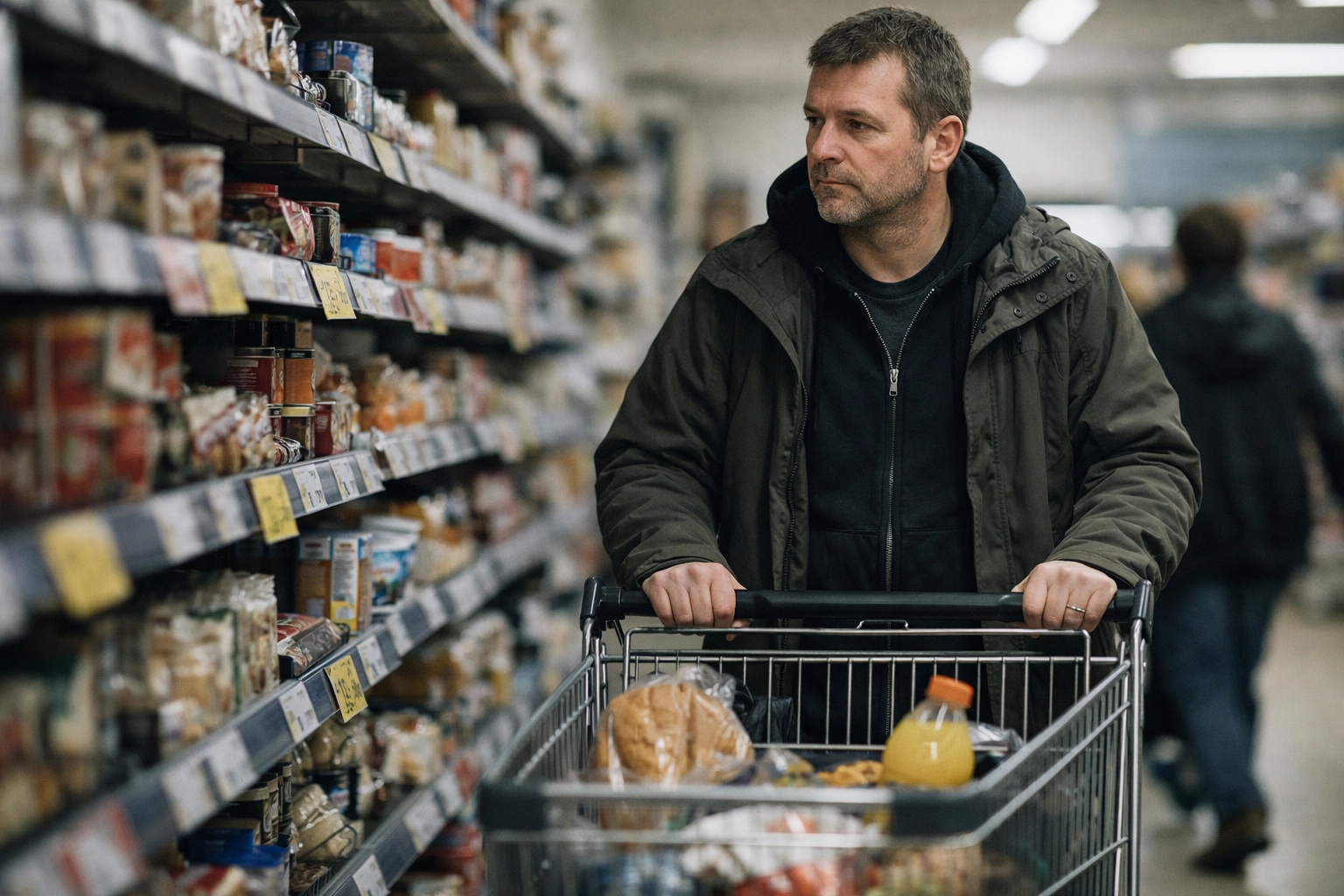
That is why many shoppers report changing habits even when headline inflation slows.
People trade down to own-brand.
They buy fewer convenience items.
They switch proteins, cut snacks, and stretch meals.
Those are rational responses to a world where the budget feels tighter and the “basics” take a bigger share of income.
High debt can keep that pressure going through several channels.
One is interest rates on household borrowing.
Even if a shopper never thinks about government bonds, higher rates can show up in mortgage payments, car finance, credit card rates, and overdraft costs.
That reduces the money left for food, and it changes what households can absorb when supermarket prices rise again.
Another channel is housing and utilities.
In many economies, housing costs are the biggest monthly bill.
If higher interest rates keep housing expensive, or keep rents rising because landlords refinance at higher rates, food competes with rent in a very direct way.
That is when households start making “hard” cuts.
They stop buying higher-quality ingredients.
They reduce fresh produce.
They buy more shelf-stable carbs because they are predictable and cheaper per calorie.
Debt also narrows the options for governments when living costs bite.
High public debt reduces the scope for government help, as large interest bills squeeze budgets and limit room for subsidies or targeted tax cuts when food costs spike.
In practical terms, that can mean fewer short-term relief measures, and more political pressure to keep budgets tight.
It can also mean less resilience spending.
If investment in flood defences, drought planning, grid upgrades, and local transport is postponed, future shocks can hit food production and distribution harder, making price spikes more likely.
For the everyday consumer, the “global debt” story ends up being less about a single dramatic moment and more about a slow squeeze.
It raises the baseline cost of doing business.
It makes companies more cautious and more likely to pass on costs.
It keeps central banks wary about cutting rates quickly.
It limits how much governments can step in when essentials jump.
With another $29tn in borrowing expected this year, the debt-and-prices link is likely to stay in focus through 2026, especially if energy markets wobble, harvests disappoint, or shipping routes face disruption.