The global information landscape is currently undergoing a period of unprecedented volatility. As digital platforms continue to overtake traditional print and broadcast media, the speed at which news is delivered has often outpaced the mechanisms required for accuracy and depth. This shift has placed a significant burden of responsibility on the consumer to distinguish between factual reporting and structured narratives.
In London and other major global hubs, the saturation of the digital market means that the average individual is exposed to thousands of information fragments every day. This volume of data creates a paradox where the more information we consume, the less we may actually understand about the underlying complexities of global events. The current state of world trending topics suggests that many readers are falling into predictable traps that skew their perception of reality.
Identifying these systematic errors is the first step toward reclaiming a more objective understanding of world affairs. From the subtle influence of visual framing to the technical failures of attribution, the mistakes made by news consumers are often mirrored by the publications they trust.
The impact of misinformation on global stability (and how to avoid it)
The most prevalent mistake in modern news consumption is the reliance on headline summaries to form a complete understanding of complex geopolitical events. Research indicates that a significant percentage of social media users share articles without ever clicking through to the body text. This practice allows "headline bait": titles specifically designed to provoke emotional reactions: to dictate the public narrative, even when the content of the article offers a more nuanced or contradictory perspective.
When a headline is written to drive clicks rather than provide a factual summary, it often employs hyperbole or omits critical context. This creates a distortion field where the consumer believes they are informed about a subject, such as the latest economic budget or a climate change policy, while only possessing a superficial and often biased fragment of the story. The fix for this is a commitment to reading the full text before forming or sharing an opinion.
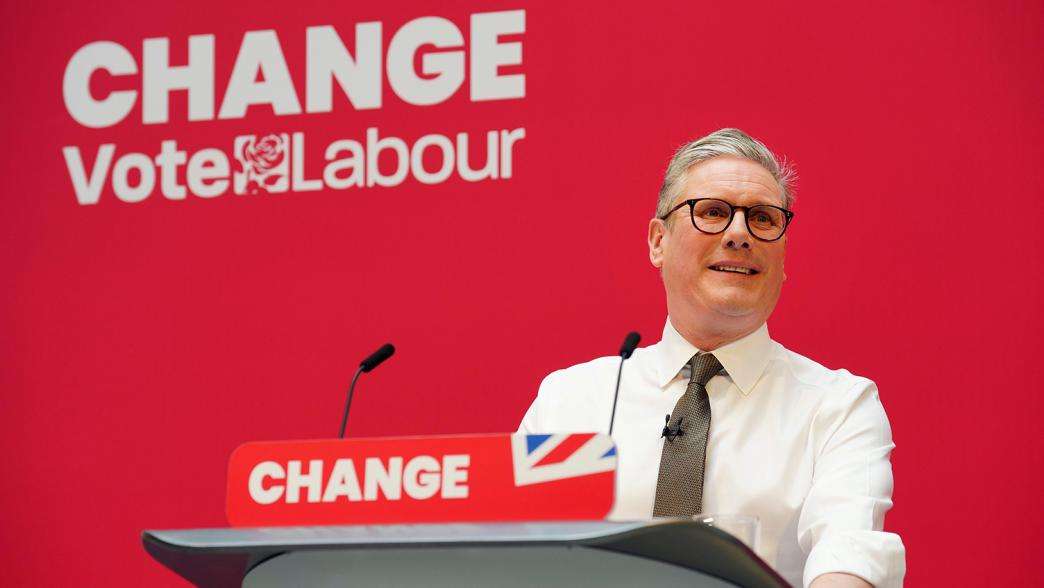
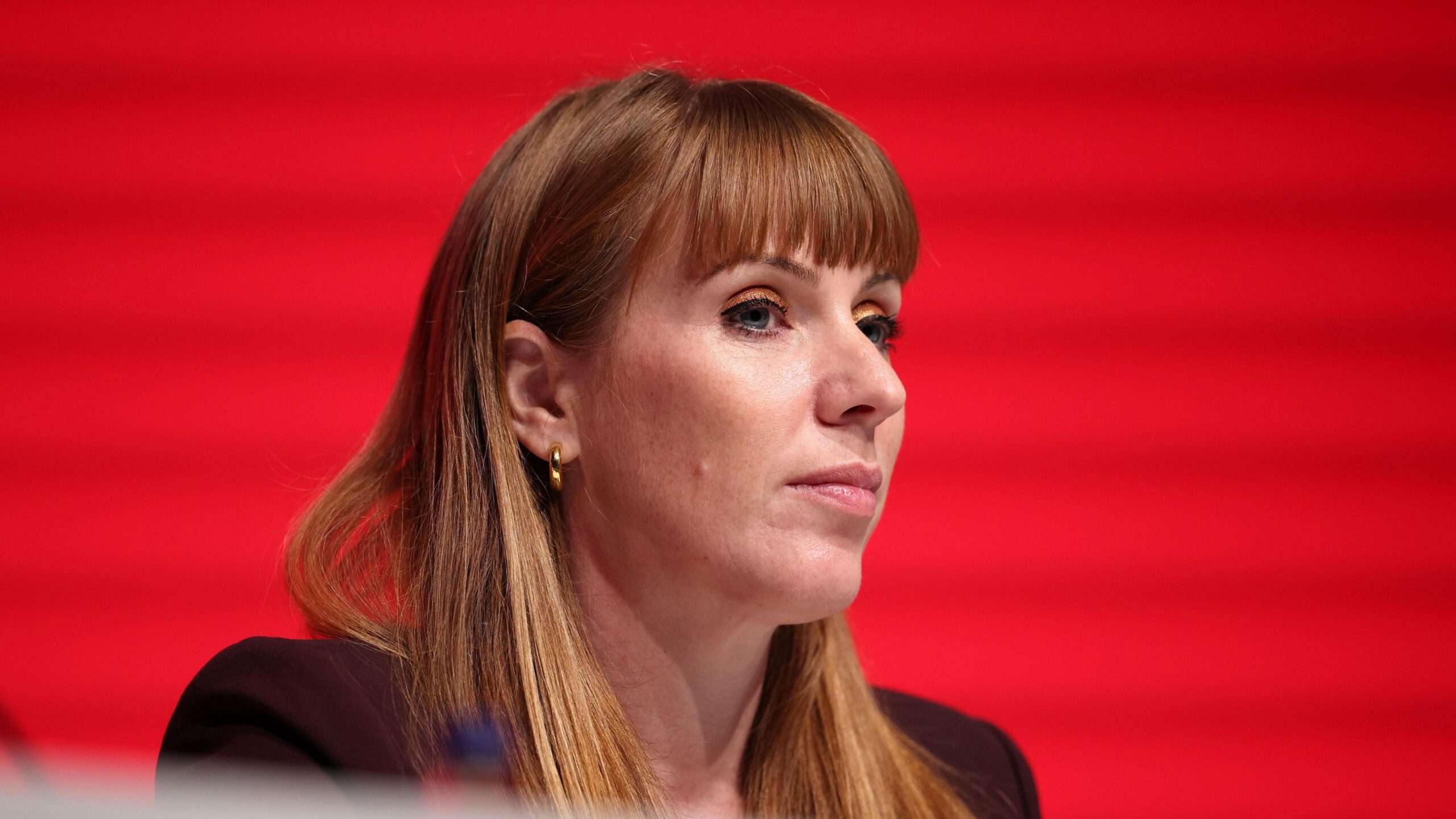
Another significant error involves the underestimation of image bias. Visuals are not neutral observers; they are powerful tools used to shape reader perception before a single word is read. A photograph of a political leader taken from a low angle can imbue them with an aura of authority, while a high-angle shot can make the same individual appear weak or overwhelmed.
Consumers often fail to recognize that the selection of an image is an editorial decision. When news outlets report on sensitive topics like the gig economy or social unrest, the accompanying visuals often lean into stereotypes that reinforce existing prejudices. To counter this, readers must consciously analyze why a specific image was chosen and how it attempts to influence their emotional response to the facts presented.
The erosion of original reporting also contributes to a decline in information quality. A common mistake is the failure to distinguish between primary reporting and secondary "churnalism." Many digital outlets simply rewrite the work of other journalists without adding new research or verifying the original claims. This creates an echo chamber where a single error in one report can be replicated across dozens of platforms within minutes, becoming "fact" through sheer repetition.
Recognizing reporting failures without getting lost
Technical precision is often the first casualty of the 24-hour news cycle. A recurring mistake in news consumption is the failure to notice a lack of clarity in reporting, particularly concerning vague pronouns and ambiguous language. When an article relies heavily on terms like "they," "officials," or "sources" without providing clear identifiers, the narrative becomes susceptible to manipulation.
In complex stories, such as those involving international finance or legal disputes, the misuse of pronouns can obscure who is taking action or who is being held accountable. This lack of specificity prevents the reader from building a coherent timeline of events. The solution is to prioritize reports that provide concrete names, titles, and direct attributions, ensuring that every claim is anchored to a verifiable source.
Spelling errors and the incorrect use of names are often dismissed as minor editorial lapses, but they serve as critical indicators of a publication's overall reliability. If a news outlet cannot get the spelling of a primary subject's name correct, it raises significant questions about the rigor of their fact-checking process for more complex data points. Trust is built on attention to detail, and habitual errors in basic facts often mask deeper systemic failures in a newsroom’s verification pipeline.
Furthermore, the misuse of idioms and cultural metaphors frequently leads to a misunderstanding of global events. In a connected world, news often crosses linguistic and cultural boundaries. When a journalist uses a local idiom to describe a foreign event, or when a reader applies their own cultural context to a story from another continent, the original meaning is often lost.
This is particularly evident in reporting on international conflicts or climate negotiations. A phrase that implies one thing in the UK may carry a completely different weight in the Middle East or Asia. Readers can fix this by seeking out independent news sources from the regions being discussed, rather than relying solely on Western-centric interpretations of world trending topics.
The phenomenon of "information silos" also represents a major structural mistake. Many consumers unknowingly limit their news intake to a narrow range of outlets that align with their existing worldviews. This prevents exposure to dissenting facts and alternative interpretations, leading to a distorted view of the national and global consensus. Breaking out of these silos requires a deliberate effort to consult a diverse array of independent and international sources.
Building a simple, repeatable way to read the news
Correcting the way we consume news requires a transition from passive absorption to active interrogation. One of the most effective strategies is the verification of names and technical terms through independent research. When a report introduces a new organization or an obscure legislative rule, a quick search across multiple mainstream and independent platforms can reveal whether the standard spelling and context are being upheld.
This proactive approach prevents the spread of misinformation and ensures that the reader is not being misled by a single outlet’s potential bias. It is essential to look for the "who, what, where, and when" in every story. If these foundational elements are missing or obscured by flowery adjectives and emotive language, the piece should be treated as an opinion rather than a factual report.
Chasing the story yourself: by looking for original data sets, official government transcripts, or direct video footage: removes the filter of editorial interpretation. In the age of digital transparency, many primary sources are accessible to the public. For instance, instead of reading a summary of a budget, one can often find the full document online. This allows the consumer to see the raw data before it is framed by a specific political or economic agenda.
Maintaining a serious and educational undertone in one’s personal information strategy is also vital. The goal of news consumption should be the acquisition of knowledge rather than entertainment. By treating the news as a historical record in the making, readers are more likely to demand the precision and objectivity that are currently lacking in many digital spaces.
The final mistake many make is the belief that the news cycle is ever truly "finished." Events are ongoing, and a story that breaks on a Saturday may look significantly different by the following Monday as more facts come to light. The fix is to adopt a "to be continued" mindset, where the initial report is seen as a starting point rather than the final word.
As we move further into 2026, the ability to navigate the complexities of global information will become an increasingly valuable skill. The distinction between those who are merely informed and those who are accurately informed will depend on the willingness to identify and correct these seven common mistakes. The pursuit of untold and independent news remains the most effective way to ensure a balanced perspective on a rapidly changing world.