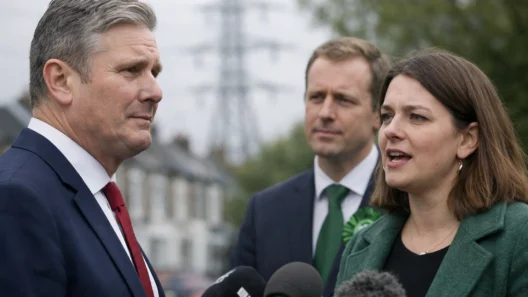









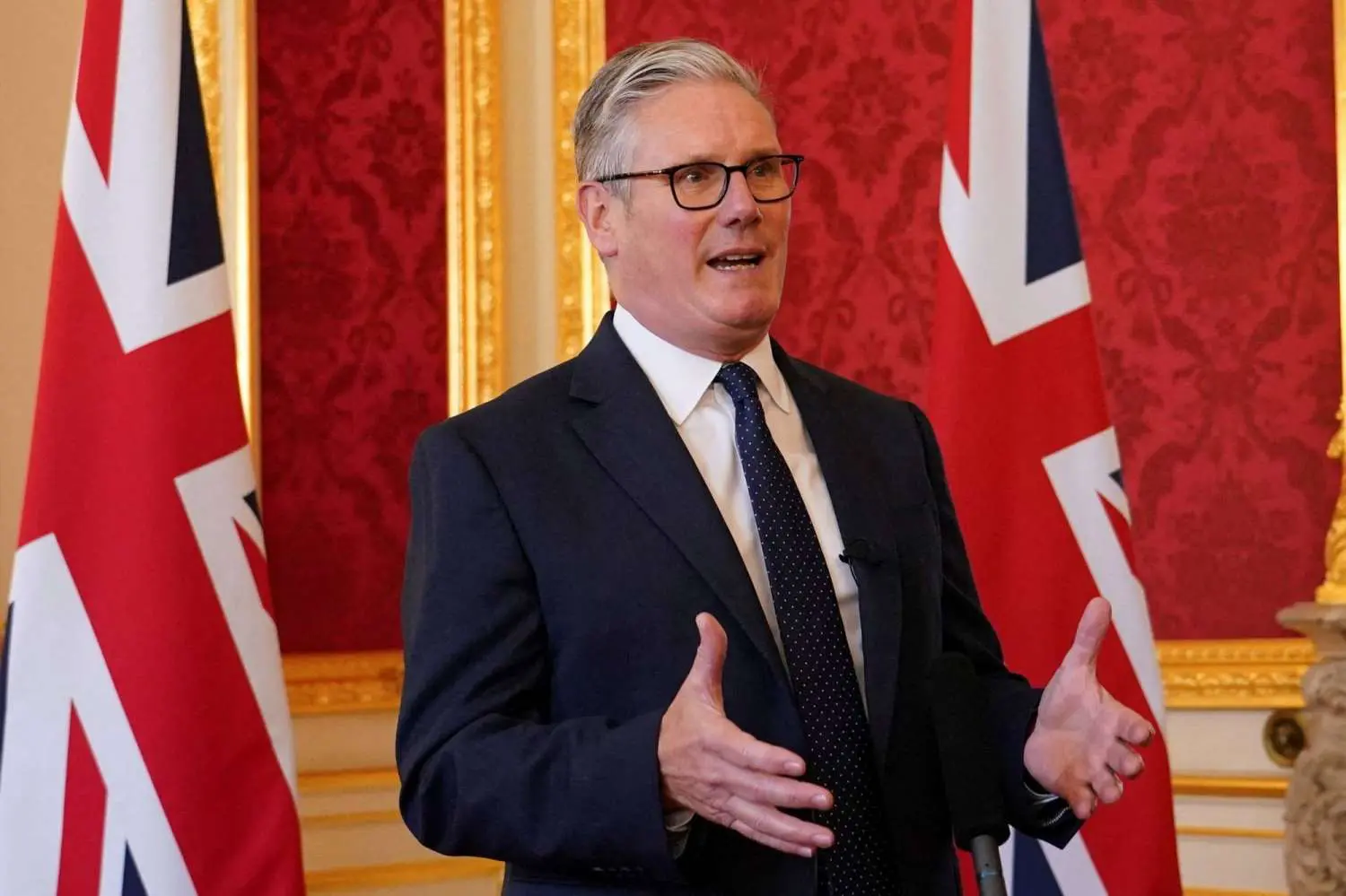
Prime Minister Keir Starmer has convened an emergency COBRA meeting at 10 Downing Street to address the escalating economic fallout from the conflict in Iran. The session follows a series of briefings from Treasury officials and energy experts regarding the severe disruption of global trade routes. Government sources indicate that the primary focus is the stabilisation of the UK economy as energy prices soar and supply chains face unprecedented pressure.
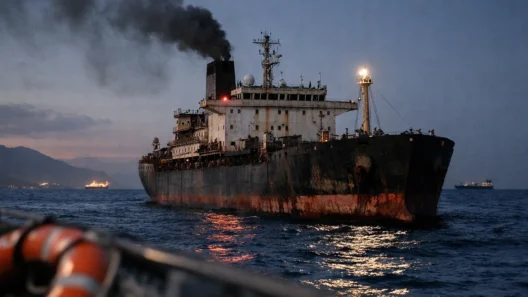
The meeting comes as the closure of the Strait of Hormuz enters its third week. The maritime blockade has effectively halted the flow of liquefied natural gas (LNG) from major suppliers, including Qatar. For the United Kingdom, which relies heavily on these imports to supplement domestic production, the timing of the crisis has proven particularly volatile.
Military advisors and economic strategists are reportedly presenting a range of scenarios to the Prime Minister. These include the potential for prolonged energy rationing and the implementation of emergency subsidies for vulnerable industries. The atmosphere inside Whitehall is described as one of controlled urgency as the government attempts to mitigate a domestic crisis fuelled by international warfare.
Energy Markets and the Hormuz Blockade
The strategic closure of the Strait of Hormuz on 4 March 2026 has triggered a shockwave through global energy markets. As one of the world's most critical maritime chokepoints, the strait handles approximately 20% of the world's total oil and gas consumption. The sudden suspension of transit has left the UK and its European partners scrambling for alternative sources in a market where demand far outstrips supply.
Dutch TTF gas benchmarks, the primary indicator for European gas prices, have nearly doubled to over €60/MWh in the last fortnight. This surge is compounded by the fact that European gas storage levels have plummeted to just 30% capacity. The depletion follows a historically harsh winter in 2025-2026, which exhausted reserves that are typically used to bridge the gap during supply disruptions.
Analysts suggest that the UK is in a particularly precarious position. While the British government has sought to diversify energy imports over the last two years, the sheer volume of lost Qatari LNG cannot be easily replaced by existing pipelines or American shipments. The COBRA committee is now reviewing the necessity of "demand-side response" measures, which could include government-mandated reductions in industrial energy use to protect domestic heating supplies.
The volatility in the energy market is not limited to natural gas. Crude oil prices have also seen a dramatic uptick, with Brent Crude hovering at levels not seen since the peak of the 2022 energy crisis. This has immediate implications for the UK transport sector, with petrol and diesel prices at the pump expected to rise by as much as 15 pence per litre by the end of the month. The Prime Minister is under significant pressure to announce a fuel duty freeze or a temporary VAT reduction to prevent a total collapse in consumer spending.
Economic models presented to the Cabinet Office suggest that if the blockade persists beyond April, the UK may face a "technical recession." This occurs when there are two consecutive quarters of negative economic growth. With the manufacturing sector already reporting a slowdown due to high electricity costs, the risk of a broader economic contraction is now the central concern for the Treasury.
Domestic Inflation and the Cost of Living
The impact of the Iran war is being felt most acutely in the pockets of British households. Inflation, which had shown signs of stabilising in early 2026, is now forecast to breach the 5% mark. This spike is largely driven by the "second-round effects" of the energy crisis, where the cost of producing and transporting goods is passed directly onto the consumer.
Supermarket chains have already warned that food prices are likely to rise significantly over the coming weeks. The cost of fertilisers, which are energy-intensive to produce, has skyrocketed, leading to higher farm-gate prices. Additionally, the disruption of shipping routes in the Middle East has delayed the arrival of seasonal produce and non-perishable goods, leading to gaps on shelves and increased logistics costs.
The Bank of England is closely monitoring the situation. While the European Central Bank has already postponed planned interest rate reductions, the Monetary Policy Committee in London faces a difficult choice. Raising interest rates could help curb inflation, but it also risks further depressing an economy already struggling under the weight of high energy bills.
For the average British family, the crisis translates into a squeeze on disposable income that mirrors the post-pandemic inflationary period. Energy firms are expected to update their price projections, with some analysts predicting a 25% increase in the standard variable tariff by the summer. The COBRA meeting is reportedly discussing an expansion of the Household Support Fund to assist those most at risk of fuel poverty.
Public sector unions have also expressed concern. With inflation rising, the pressure for higher wage settlements is likely to increase, potentially leading to a new wave of industrial action across the NHS and transport networks. The government’s ability to fund these increases is severely limited by the need to allocate billions of pounds toward emergency energy procurement and national security measures.
The ripple effect extends to the UK housing market. As mortgage holders face the prospect of "higher-for-longer" interest rates, the volume of property transactions has slowed. Financial experts suggest that the current economic climate is creating a "wait-and-see" approach among buyers, further stalling growth in the construction and real estate sectors.
Industrial Survival and Government Strategy
The UK’s industrial heartlands are facing an existential threat as electricity and feedstock costs reach unsustainable levels. Steel and chemical manufacturers have already begun imposing surcharges of up to 30% on their products to offset the surging costs. In some cases, major industrial sites have paused production entirely, citing an inability to operate profitably under current market conditions.
There are growing fears of "permanent deindustrialisation" if the conflict in Iran remains unresolved. Sectors that require high energy inputs, such as glass manufacturing, ceramics, and heavy engineering, are particularly vulnerable. The COBRA committee is evaluating a package of emergency loans and grants to help these businesses survive the immediate shock, though the long-term viability of these industries remains a point of intense debate within the government.
Keir Starmer is also coordinating with international allies to explore the possibility of a "maritime protection force" to reopen the Strait of Hormuz. However, any military intervention carries the risk of further escalating the conflict and causing even greater disruption to global trade. The diplomatic tightrope being walked by the Foreign Office is as much about economic survival as it is about regional stability.
The Prime Minister’s strategy appears to be focused on three key pillars: energy security, consumer protection, and industrial resilience. By chairing the COBRA meeting personally, Starmer is attempting to project a sense of decisive leadership. However, the external nature of the crisis: driven by geopolitical events thousands of miles away: means that the UK government has limited leverage over the primary drivers of the economic downturn.
Stock markets have responded to the uncertainty with significant volatility. The FTSE 100 experienced a sharp decline following the COBRA announcement, as investors weighed the likelihood of a prolonged conflict. Currency markets have also seen the pound weaken against the dollar, making imports even more expensive and adding a further layer of complexity to the government’s economic response.
As the meeting concludes, the government is expected to issue a statement outlining the immediate steps to be taken. While the full extent of the "Starmer Plan" remains to be seen, it is clear that the UK is entering a period of significant economic hardship. The focus now shifts to the upcoming spring budget, where the Chancellor will be forced to make difficult decisions about taxation and spending in a war-time economy.
The situation remains fluid, with intelligence reports suggesting that the conflict shows no signs of an early resolution. For the British public, the coming months will likely be defined by higher prices, reduced spending power, and a continued focus on the shifting geopolitical landscape. The COBRA meeting marks the beginning of what may be a long and challenging effort to insulate the UK from a global crisis that is hitting closer to home every day.