



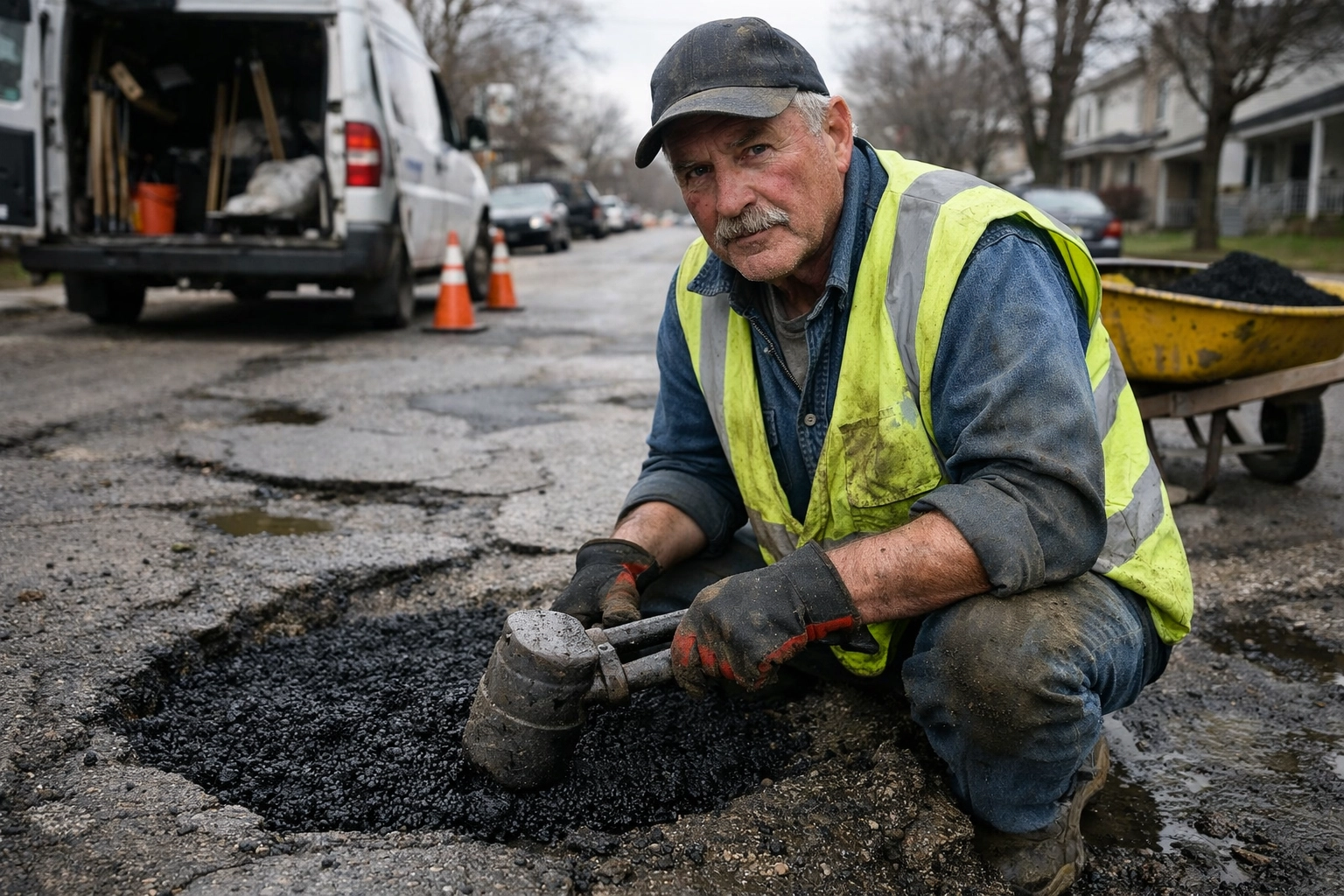
A single individual has spent two decades navigating the deteriorating landscape of local infrastructure, transforming a personal frustration into a lifelong mission to repair the world’s broken roads. This "Pothole Hero" represents a growing movement of citizens and private contractors stepping in where local authorities have historically struggled to maintain surface integrity. The battle against asphalt decay is not merely a matter of aesthetics; it is a critical fight for road safety, vehicle longevity, and economic stability.
For twenty years, the crusade has evolved from basic manual patching to the implementation of sophisticated engineering solutions. What began as a response to a single damaged tyre has ballooned into a professionalised effort to address a systemic failure in public works. This narrative mirrors a global trend where aging infrastructure meets a lack of sufficient public funding, forcing non-state actors to take the lead in maintaining essential transport links.
The scale of the problem is vast, with billions of pounds in damages reported annually across the United Kingdom and internationally. As the climate changes and weather patterns become more extreme, the rate of road surface degradation is accelerating. The man at the centre of this twenty-year story has seen the transition from traditional cold-patching methods to the dawn of infrared technology, documenting a period of significant technological and social shifts in how we view our communal pathways.
A Two-Decade Crusade Against Crumbling Roads
The journey of the Pothole Hero began in the early 2000s, a period marked by a gradual decline in local government spending on road maintenance. Initial efforts were rudimentary, involving simple tools and a commitment to clearing hazards from local residential streets. Over the course of twenty years, this commitment has highlighted the chronic backlog in road repairs that currently plagues many developed nations. In the United Kingdom alone, the cost to fix the existing pothole backlog has been estimated to exceed £14 billion, a figure that continues to rise as temporary "patch-and-dash" repairs fail under the weight of modern traffic.
Throughout this twenty-year battle, the focus has shifted from reactive measures to a deeper understanding of road chemistry and durability. The individual involved has documented thousands of road defects, categorising them by severity and location to provide a data-driven look at urban decay. This long-form observation has revealed that potholes are rarely isolated incidents; they are symptoms of poor drainage, sub-standard materials, and a lack of preventative maintenance. By taking matters into his own hands, the Pothole Hero has managed to secure safer routes for thousands of motorists who would otherwise be navigating a minefield of bitumen craters.
The persistence required to sustain such an effort for two decades cannot be understated. It involves navigating complex legal frameworks, local bylaws, and the often-combative relationship between private citizens and municipal bureaucracies. While some local councils have welcomed the assistance, others have viewed independent repair efforts as a liability. This friction underscores a broader debate regarding the responsibilities of the state versus the rights of the citizen to live in a functional environment. The twenty-year timeline serves as a testament to the fact that infrastructure neglect is not a seasonal issue but a generational one that requires consistent, long-term intervention.
Technology and the Shift Toward Permanent Repairs
One of the most significant developments in this twenty-year saga is the introduction and mastery of infrared asphalt repair technology. Traditional methods often involve cutting out a section of the road and filling it with new material, a process that creates seams where water can eventually seep in, freeze, and cause the patch to fail. The Pothole Hero’s adoption of infrared technology has revolutionised the durability of these interventions. This process involves heating the existing asphalt to a workable temperature, adding new binders, and fusing the old and new materials into a single, seamless surface.
This technological shift represents a move away from the temporary fixes that have defined public road works for decades. Infrared repairs are not only more durable but also more environmentally friendly, as they recycle the existing asphalt on-site. For an individual or a small team working independently, this efficiency is crucial. It allows for rapid deployment and high-quality results that often outlast the surrounding road surface. The use of such advanced machinery by private advocates highlights a growing gap between the innovative techniques available and the antiquated methods often employed by cash-strapped local authorities.
The data gathered over twenty years indicates that permanent repairs save money in the long term. By investing in high-quality materials and thermal bonding, the frequency of re-repairing the same stretch of road is drastically reduced. This "right first time" philosophy has been the cornerstone of the Pothole Hero’s mission. It challenges the conventional wisdom of local government procurement, which often prioritises the lowest immediate bid over the total lifecycle cost of the road. As this battle enters its third decade, the focus is increasingly on educating the public and policy-makers about these sustainable alternatives to the endless cycle of crumbling tarmac.
The Economic and Social Toll of Neglected Infrastructure
The implications of the twenty-year battle against potholes extend far beyond the physical surface of the road. There is a profound economic cost associated with infrastructure neglect that impacts every level of society. Motorists face escalating bills for suspension repairs, wheel alignments, and burst tyres. According to industry data, the average cost of pothole-related vehicle damage has risen significantly over the last decade, placing an additional financial burden on households already struggling with the cost of living. The work of independent repairers provides a direct, measurable benefit to the local economy by reducing these avoidable expenses.
Furthermore, the social impact of poor road conditions is a matter of public safety. Potholes are a primary cause of accidents for cyclists and motorcyclists, for whom a sudden dip in the road can be fatal. By spending twenty years identifying and fixing these hazards, the Pothole Hero has undoubtedly prevented countless injuries and saved lives. This aspect of the work brings a moral dimension to the task, transforming a mundane maintenance job into a vital public service. The emotional toll on communities that feel abandoned by their local government is also a factor; when roads are left to rot, it signals a broader decline in civic pride and institutional care.
As we look toward the future, the lessons learned from twenty years on the front lines of road repair are more relevant than ever. The climate crisis is bringing more intense rainfall and fluctuating temperatures, both of which are catalysts for pothole formation. The current model of road maintenance is increasingly seen as unsustainable. The Pothole Hero’s journey suggests that a hybrid approach: combining professionalised citizen action, advanced technology, and a shift in government priorities: is the only way to safeguard our transport networks. The battle continues, but the groundwork for a more resilient infrastructure has been laid by those willing to pick up a shovel and a torch when no one else would.