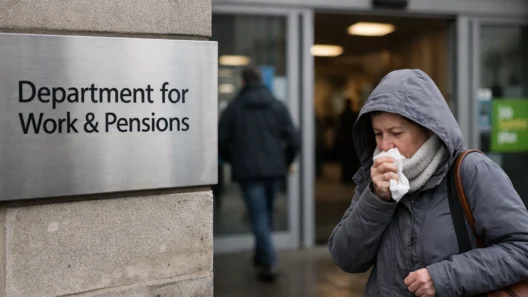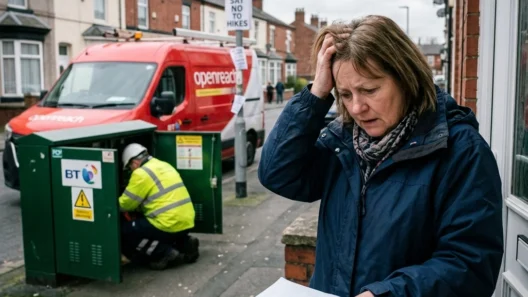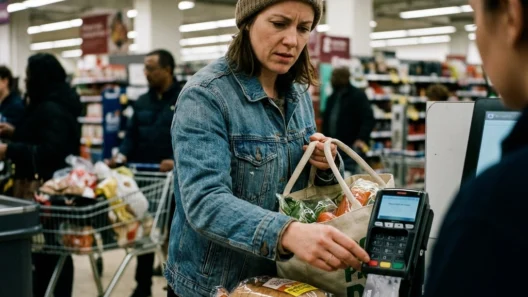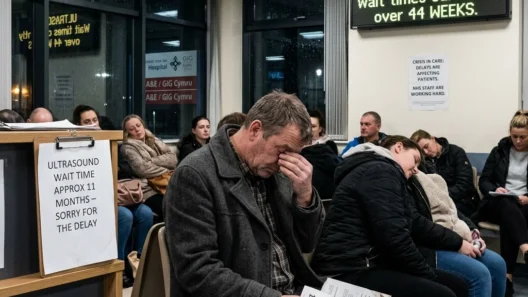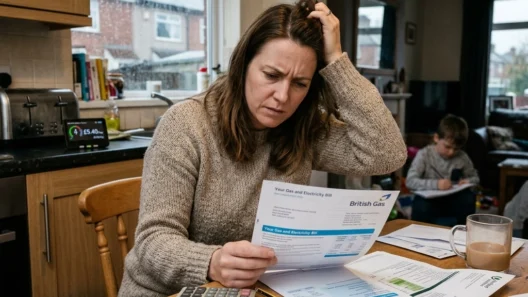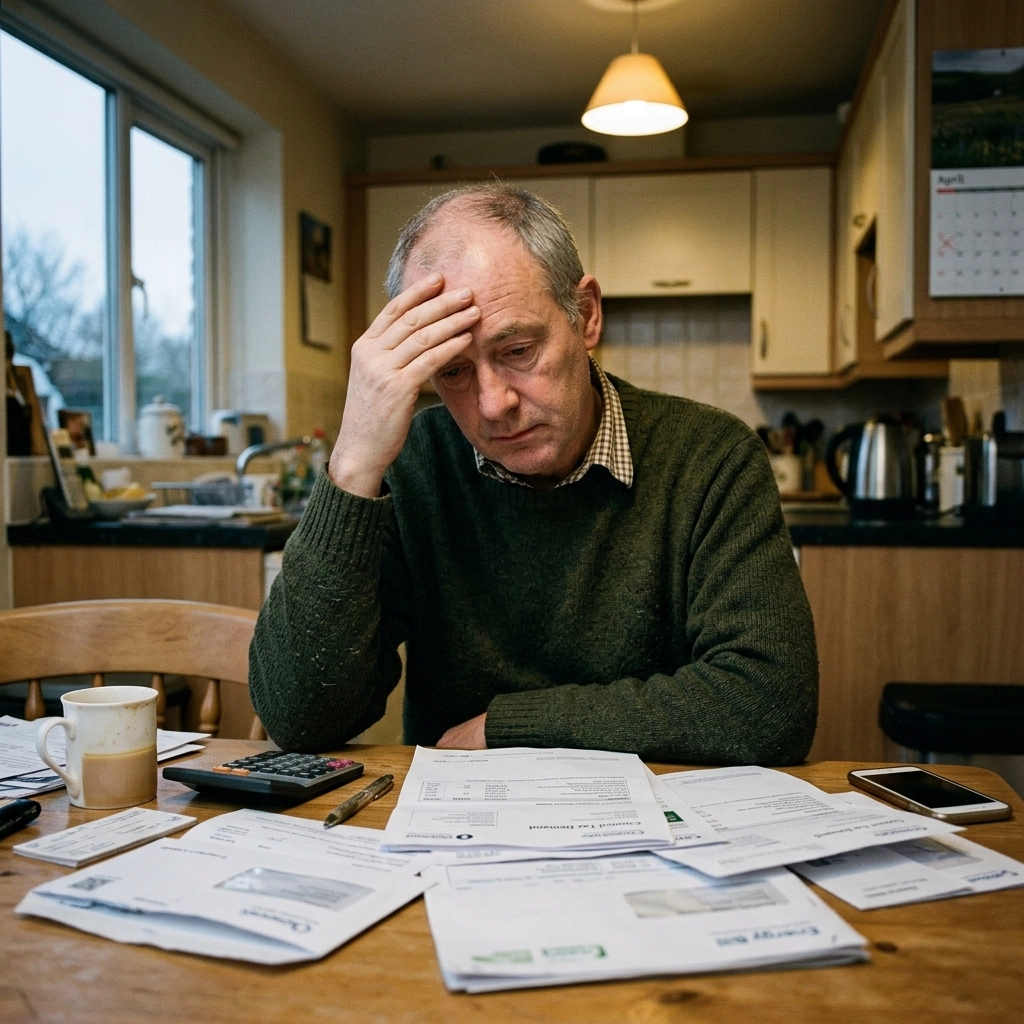
Millions of households across the United Kingdom are facing a co-ordinated surge in essential living costs as the 1 April deadline triggers a series of price hikes commonly referred to as the ‘April Bill Trap’. While individual increases are often reported in isolation, the cumulative impact of these shifts across council tax, water, broadband, and energy sectors represents a significant contraction of disposable income for the average family. This financial convergence occurs annually at the start of the fiscal year, yet the underlying mechanics of how these costs are calculated: and the lack of consumer recourse: remain largely obscured from public discourse.
Data suggests that the average UK household could see an annual increase in outgoings exceeding £400 from this month alone. This figure is driven by a regulatory framework that allows multiple industries to adjust their pricing simultaneously, often using inflation-linked formulas that do not reflect the current wage growth or the actual cost of service delivery. Independent news UK outlets have begun highlighting the disconnect between corporate profitability and the increasing burden on the taxpayer, pointing to a systemic issue in how essential services are regulated.
The timing of these increases is not accidental; it aligns with the government’s fiscal calendar, allowing local authorities and private utilities to reset their balance sheets. However, for the consumer, the April Bill Trap functions as a mandatory subscription to inflation. Unlike discretionary spending, these costs are unavoidable, tied to the basic requirements of modern life such as water, connectivity, and local infrastructure. The following sections examine the specific drivers of this trend and the economic reality facing the British public in 2026.
The convergence of mandatory cost increases
The primary driver of the April Bill Trap is the simultaneous rise in local authority charges and utility costs. Council tax remains the most significant single increase for the majority of residents in England, Scotland, and Wales. Local authorities, facing sustained pressure on adult social care budgets and children’s services, have largely opted for the maximum allowable increase without a referendum. In most jurisdictions, this equates to a 4.99 per cent rise, a figure that has become the standard rather than the exception.
This increase is compounded by the rising cost of water and sewerage services. Water companies across the UK have announced average bill increases of nearly 6 per cent, though regional variations mean some households will see double-digit growth. Industry bodies justify these hikes as necessary for infrastructure investment, specifically to address the ongoing crisis regarding sewage discharge and aging pipe networks. However, critics point out that these increases are being levied even as firms continue to pay dividends to shareholders, leading to accusations that the consumer is being forced to underwrite corporate maintenance failures.
Furthermore, the 1 April date marks the adjustment of the energy price cap. While global wholesale gas prices have stabilised compared to the volatility of 2022, the standing charges: the fixed daily cost of being connected to the grid: have continued to creep upwards. This means that even households that successfully reduce their energy consumption will find their bills remain stubbornly high. The trap is effectively set by the floor of these costs, rather than just the ceiling of usage rates, ensuring a steady flow of revenue to providers regardless of consumer behaviour.
Contractual lock-ins and the inflation multiplier
One of the most contentious elements of the April Bill Trap is the practice of mid-contract price hikes within the telecommunications sector. Millions of broadband and mobile phone users are currently subject to contracts that allow providers to increase monthly fees by the Consumer Price Index (CPI) or the Retail Price Index (RPI) plus an additional 3.9 per cent. This mechanism ensures that even when inflation begins to cool, the cost of connectivity continues to rise at a rate significantly higher than the standard cost of living.
These increases are often buried in the terms and conditions of long-term contracts, making it difficult for consumers to switch providers without incurring substantial exit fees. While Ofcom has recently moved to ban inflation-linked price rises for new contracts, millions of existing customers remain locked into the old system. This creates a two-tier market where those unable to navigate complex switching processes or those stuck in the middle of a two-year agreement are disproportionately affected.
The "untold stories" behind these hikes often involve the most vulnerable demographics. For many, a £5 increase in a monthly mobile bill, a £10 rise in broadband, and a £20 jump in council tax may seem manageable in isolation. However, when these are applied across the board, the cumulative effect is a "death by a thousand cuts" for household budgets. The legal framework allows these companies to bypass standard consumer protections because the increases were technically "agreed to" at the point of sale, even if the final figure was impossible for the consumer to predict at the time.
Economic impact and the regulatory response
The broader economic implications of the April Bill Trap extend beyond individual household stress. As a larger portion of the national income is diverted into mandatory utility and tax payments, discretionary spending in the retail and hospitality sectors is expected to decline. This creates a paradoxical situation where the government’s efforts to stimulate growth are undermined by the fixed costs it permits to rise. Economists note that this "inflationary floor" makes it harder for the Bank of England to meet its targets, as essential costs remain resistant to interest rate adjustments.
There is a growing movement calling for a reform of the 1 April "National Hike Day." Proponents of change argue that staggering these increases throughout the year would allow households to better manage their cash flow. Furthermore, there is a push for more transparent pricing models that do not rely on complex inflation-plus formulas. The current system relies on a level of financial literacy and administrative engagement that many people simply do not have the time or resources to maintain.
As 2026 progresses, the political fallout from the April Bill Trap is likely to intensify. With local elections on the horizon, the pressure on the government to intervene in utility pricing and local government funding is reaching a critical point. For now, the British public remains caught in a cycle of annual increases that are as predictable as they are difficult to avoid. The reality remains that until the structural link between essential services and inflation-plus pricing is severed, the start of the financial year will continue to be a period of significant financial anxiety for the majority of the population.