At least 70 British citizens are currently being held in United Arab Emirates detention facilities following a nationwide crackdown on social media activity and digital photography related to regional military tensions.
The arrests follow a series of Iranian drone and missile strikes launched across the region in mid-March 2026. Emirati authorities have responded with a zero-tolerance policy regarding the documentation of these events. Tourists, expatriates, and transit passengers have reportedly been caught in what legal advocates are calling a "photo trap."
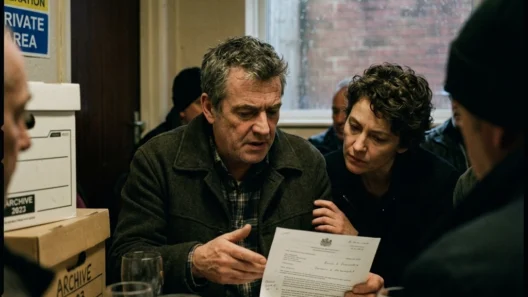
The Foreign, Commonwealth & Development Office (FCDO) has confirmed it is providing consular assistance to a significant number of British nationals. Families in the UK report that many of those detained were unaware that capturing images of air defence interceptions or projectile impacts constituted a high-level criminal offence.
The scale of the detentions has placed a spotlight on the UAE’s stringent cybercrime regulations. Sources in Dubai suggest that the number of foreign nationals in custody continues to rise as authorities retroactively scan social media platforms and private messaging groups for footage of the conflict.
British nationals caught in UAE security crackdown
The current wave of detentions began in mid-March 2026, coinciding with an escalation in hostilities between regional powers. As interceptor missiles lit up the skies over Dubai and Abu Dhabi, many residents and visitors instinctively reached for their smartphones.
According to data released by the UAE Attorney-General’s office, at least 80 people were detained in a single week across the Emirates. Of these, 35 were arrested in Dubai and 45 in Abu Dhabi. Campaign groups, including Detained in Dubai, have identified at least 70 of the total detainees as British citizens.
The arrests are not limited to those who posted footage to public platforms like X or TikTok. Reports indicate that several Britons were detained after sharing videos in private WhatsApp groups or even for simply possessing the footage on their devices during spot checks.
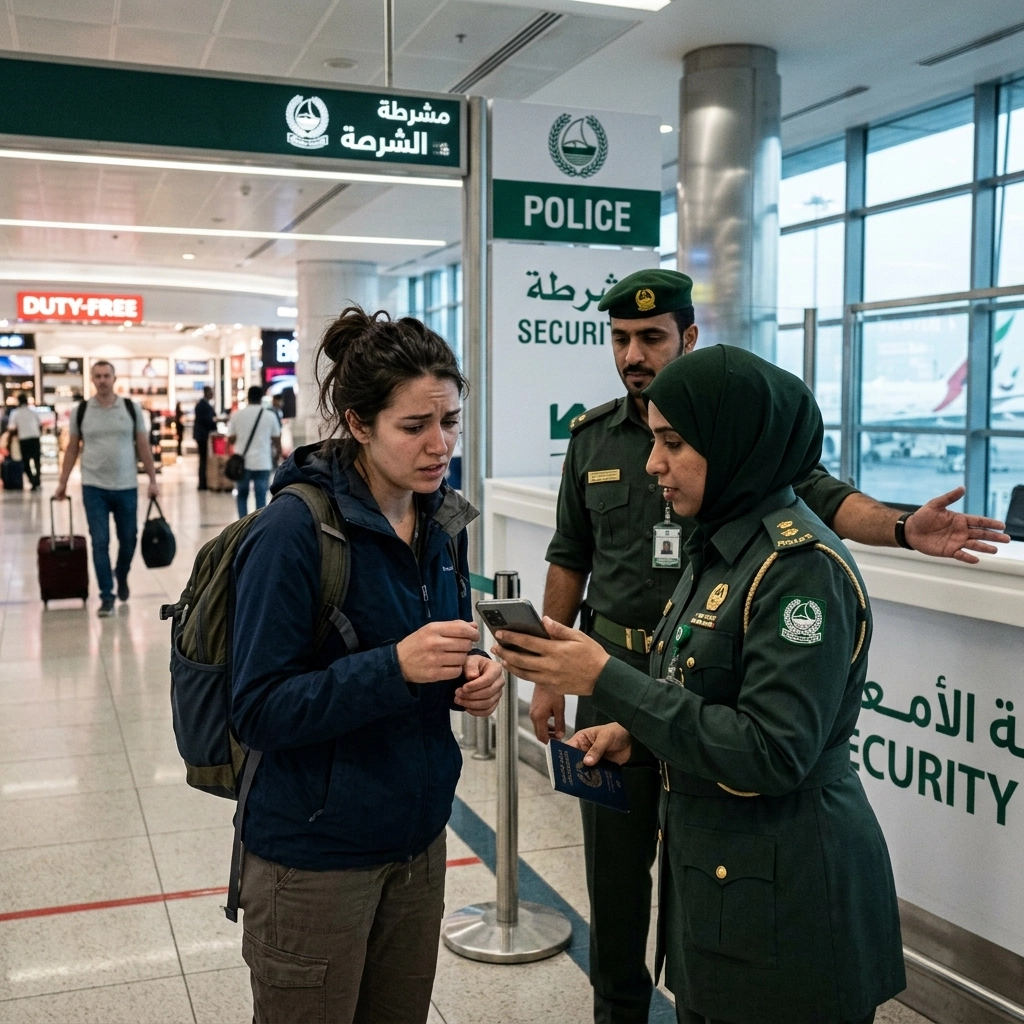
Among those held is a 60-year-old British tourist who was reportedly arrested at Dubai International Airport as he attempted to board a flight back to London. His family claims he had filmed a brief video of a drone interception from his hotel balcony but had deleted the file shortly after. Forensic digital recovery by Emirati security services allegedly uncovered the deleted data, leading to his immediate detention.
The crackdown has also affected the professional expatriate community. Several British engineers and teachers living in the Emirates have been removed from their homes in early-morning raids. Their legal representatives state that the charges often stem from "spreading panic" or "endangering national security" by documenting the effectiveness of local air defence systems.
This surge in arrests represents one of the largest mass-detention events involving Western nationals in the UAE’s history. It has created a diplomatic challenge for the UK government, which must balance its strategic partnership with the Emirates against the growing outcry from the families of those imprisoned.
The conditions within the detention centres have also become a point of international concern. Reports smuggled out of Al-Wathba and Al-Awir prisons suggest that detainees are being held in overcrowded cells with limited access to legal counsel. Many have had their passports confiscated and are facing months of pre-trial detention without a clear timeline for their hearings.
The legal reach of the Emirates’ cybercrime laws
The legal basis for these arrests lies in the UAE’s Federal Decree-Law No. 34 of 2021 on Combatting Rumours and Cybercrimes. This legislation provides authorities with broad powers to prosecute anyone using digital means to publish content deemed harmful to the state's interests or public order.
Under these laws, photographing military installations, government buildings, or "incidents involving national security" is strictly prohibited. The recent Iranian attacks have been classified as such, making any visual documentation of the events a criminal act.
The penalties for these offences are severe. Individuals found guilty of photographing or filming military incidents face a minimum of one year in prison. Financial penalties are equally significant, with minimum fines of 100,000 AED (approximately £21,500).
In cases where the content is deemed to have "caused public panic" or "compromised the state's defensive position," the fines can escalate to 200,000 AED (£43,000) or more. The law also allows for the permanent deportation of non-citizens following the completion of their prison sentences.
Legal experts point out that the definition of "illegal content" is intentionally broad. It includes not just the original footage of an attack, but also commentary, reshares, or the use of emojis that could be interpreted as mockery or criticism of the state’s response.
The "photo trap" also extends to individuals who were not even in the UAE at the time the content was posted. The cybercrime law claims extraterritorial jurisdiction, meaning a British national could be arrested upon landing in Dubai for a comment made on social media while they were in the UK.
Authorities in the UAE justify these measures as essential for national security. They argue that sharing footage of missile impacts or air defence positions provides "free intelligence" to hostile actors, such as the Iranian military. By suppressing the flow of visual data, the UAE aims to deny its adversaries the ability to conduct battle damage assessments.
However, critics argue the primary motivation is the preservation of the UAE’s image as a safe, stable hub for tourism and global finance. The sight of missiles over the Burj Khalifa or smoke rising from industrial zones in Abu Dhabi threatens the narrative of a secure desert utopia. By criminalising the documentation of these events, the state maintains a monopoly on the narrative.
Rising concerns over due process and transparency
The campaign group Detained in Dubai has been at the forefront of documenting the human cost of this security policy. Radha Stirling, the group’s CEO, has warned that the UAE is increasingly using its cybercrime laws as a net to catch anyone who deviates from the official state line.
Stirling highlights the case of a Filipina domestic worker who was detained after taking a selfie near the Burj Al Arab. While her intent was benign, the background of her photo happened to capture a naval vessel in the distance. She remains in custody, facing a potential multi-year sentence for "violating military secrets."
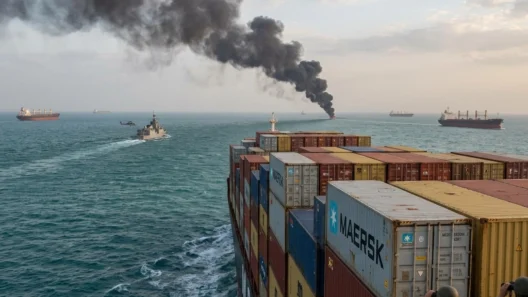
Another case involves a Vietnamese sailor who was detained in the port of Fujairah. He had allegedly shared a video of an explosion at sea that he had filmed while in international waters. Upon entering UAE territory, his phone was searched, and he was charged under the cybercrime decree.
The lack of transparency in the Emirati judicial system is a primary concern for the 70 British families currently seeking answers. Court proceedings in the UAE are conducted in Arabic, and while defendants are entitled to a translator, the quality of interpretation is frequently questioned.
Legal representation is also a hurdle. Only UAE-licensed lawyers can appear in court, and many are hesitant to take on cases involving national security for fear of state repercussions. This leaves many British detainees with limited options for a robust defence.
The UK government’s response has been measured. While the FCDO has updated its travel advice for the UAE, warning citizens that "photographing certain buildings or military installations" can lead to arrest, many feel the warning does not go far enough. Advocacy groups are calling for a more direct diplomatic intervention to secure the release of those caught in the "photo trap."
As of late March 2026, the situation remains at an impasse. The UAE has shown no signs of easing its enforcement of the cybercrime laws, and regional tensions show little sign of abating. For the 70 Britons held in Emirati cells, the simple act of taking a photograph has turned a holiday or a career move into a legal nightmare.
The international community is now watching to see how the UAE balances its security requirements with its desire to remain a top-tier destination for international visitors. For now, the message from Dubai is clear: the cameras must remain off, and the smartphones in pockets, regardless of what is happening in the skies above.