Fuel protest hits Downing Street as prices rise
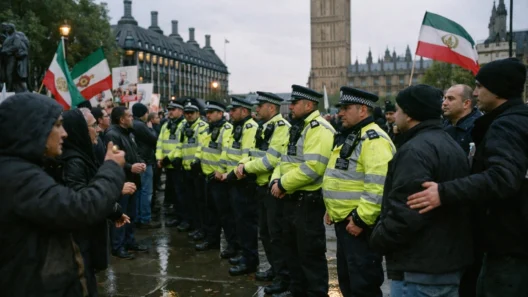
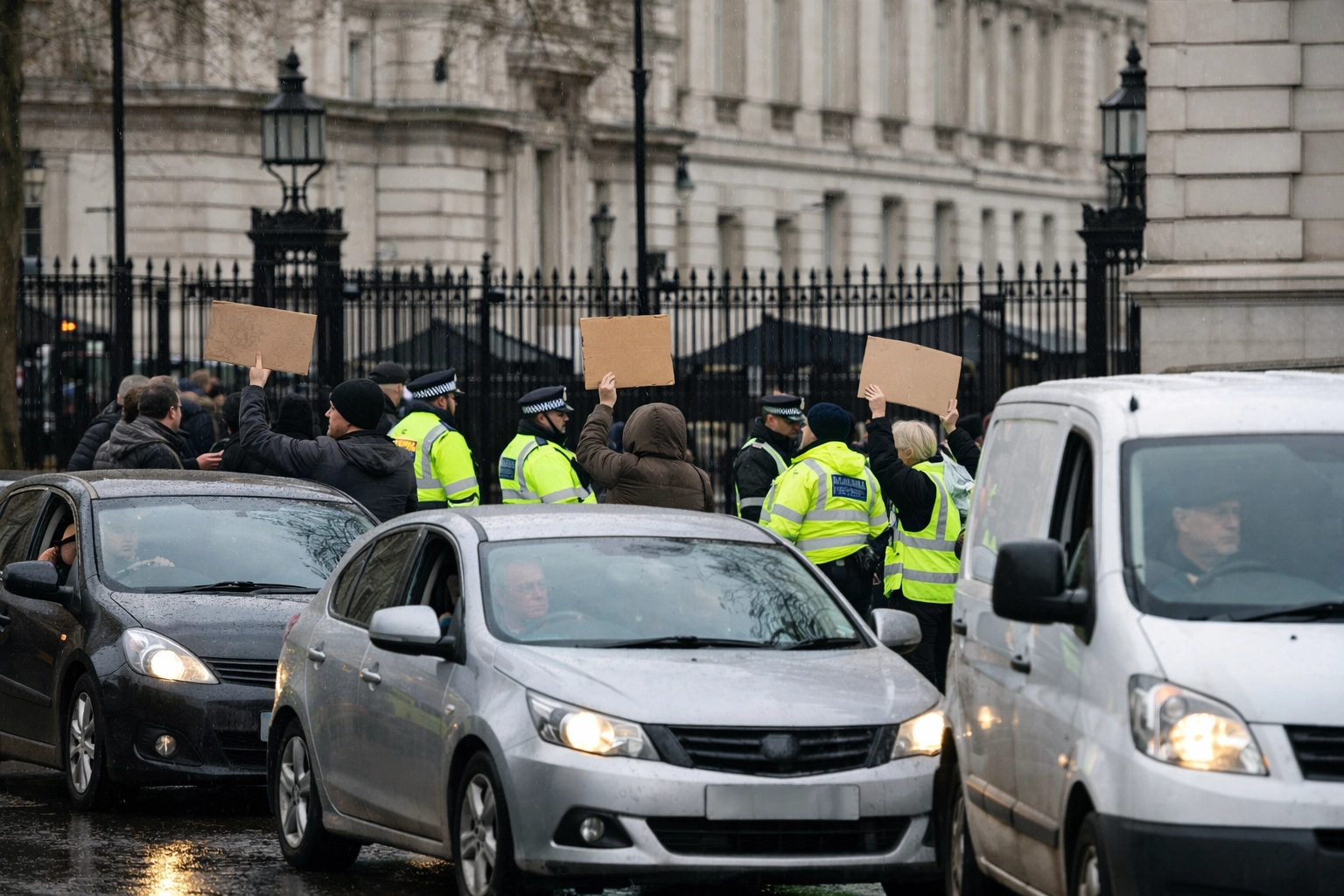
Hundreds of protesters drove into Whitehall on Monday, 30 March 2026, slowing traffic near Downing Street as fuel prices jumped again.
The complaint is pretty simple: lots of people say they can’t keep paying to get to work, keep deliveries moving, or run a small business.
Since the conflict in Iran began on 28 February, the oil market has pushed higher. For independent news uk readers following the numbers, Brent crude topping $114 a barrel is about a 50% rise in four weeks.
At the pump, drivers are reporting petrol up by close to 10p a litre in just a few days, and diesel up by around 20.3p. Outside Number 10, signs reading “No Fuel, No Food” and a steady soundtrack of horns made the point clearly.
Why Whitehall is the focal point
This hasn’t come out of nowhere. Concerns about supply have been building for weeks, especially after disruption around the Strait of Hormuz earlier this month, a route that carries roughly 20% of the world’s oil.
Behind the headline figures are the untold stories that don’t always make it into a spreadsheet. Hauliers said monthly costs are up by thousands of pounds, and some are asking whether it now costs more to work than to park up.
Protesters want an immediate cut to fuel duty, arguing that while global oil prices aren’t set in Westminster, tax levels are. Police put a perimeter in place to avoid a full shutdown of central London, with tractors and lorries lining parts of the Embankment.
Inside Downing Street, ministers are under pressure to respond, while the Treasury is pointing to the deficit and the cost of the UK’s military posture in the Middle East.
Empty pumps, inflation worries, and what happens next
Around the UK, forecourts have reported stations running dry or bringing in limits, including £30 caps in some rural areas, to try to keep a lid on panic buying.
Specialists have warned diesel supplies could tighten further by mid-April, which is a big deal for logistics. As part of our investigative journalism uk coverage, NowPWR has heard from smaller delivery firms already struggling to swallow the extra cost.
The government has been trying to steady things. Former defence secretary Grant Shapps said “there will always be enough fuel”, suggesting the crunch is more about price and distribution than a total lack of stock. For households and frontline workers, though, the day-to-day maths of a £100 fill-up is getting harder to stretch.
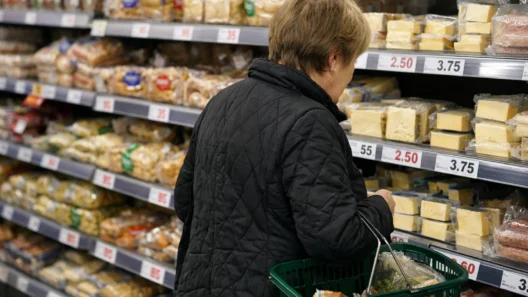
Inflation is another worry, because fuel costs usually spill into food, deliveries, and household essentials. Economists warn of “second-round effects” that can quickly wipe out pay gains.
Next steps hinge on the National Emergency Plan for Fuel, now under urgent review, which could let the government take more control of distribution. In a worst-case scenario, priority would go to emergency services, the NHS, and essential food transport.
The military remains on standby to help with deliveries if commercial distribution cannot cope, raising fresh questions about the UK’s heavy reliance on “just-in-time” fuel supply.
As we continue to report independent news uk, attention is also on strategic reserves and whether officials will release stocks to cool prices while the Middle East conflict continues.
Protest organisers say they will stay until there is a clear policy shift. Police say keeping Whitehall moving is getting harder as more vehicles arrive, including routes feeding in from the M25.
Our investigative journalism uk work is also looking at claims that some wholesalers may be holding back stock in anticipation of further price rises. If confirmed, it could turn a price shock into a wider supply emergency.
For now, talks between protest representatives and the Home Office remain stalled, and the next 48 hours are expected to be critical.