It is never easy when a familiar face, someone who has been a staple of your morning routine for years, suddenly disappears from the airwaves. For many of us in the UK, Scott Mills wasn’t just a voice on the radio; he was a bit of a companion through the morning commute and the early start to the workday. However, the recent news surrounding the former BBC Radio 2 DJ has left many listeners and charitable organisations in a state of shock. The allegations currently coming to light have sent ripples far beyond the broadcasting studios of London, deeply impacting the charity sector that he was once a champion for.
When we talk about the world of independent news uk, we often look for the stories that go beyond the surface-level headlines. We want to understand the human impact of these events. In this case, the story isn't just about a career coming to an abrupt halt; it is about the trust between a public figure and the vulnerable communities they represent. As these untold stories begin to emerge, we are seeing a significant shift in how charities manage their associations with high-profile patrons.
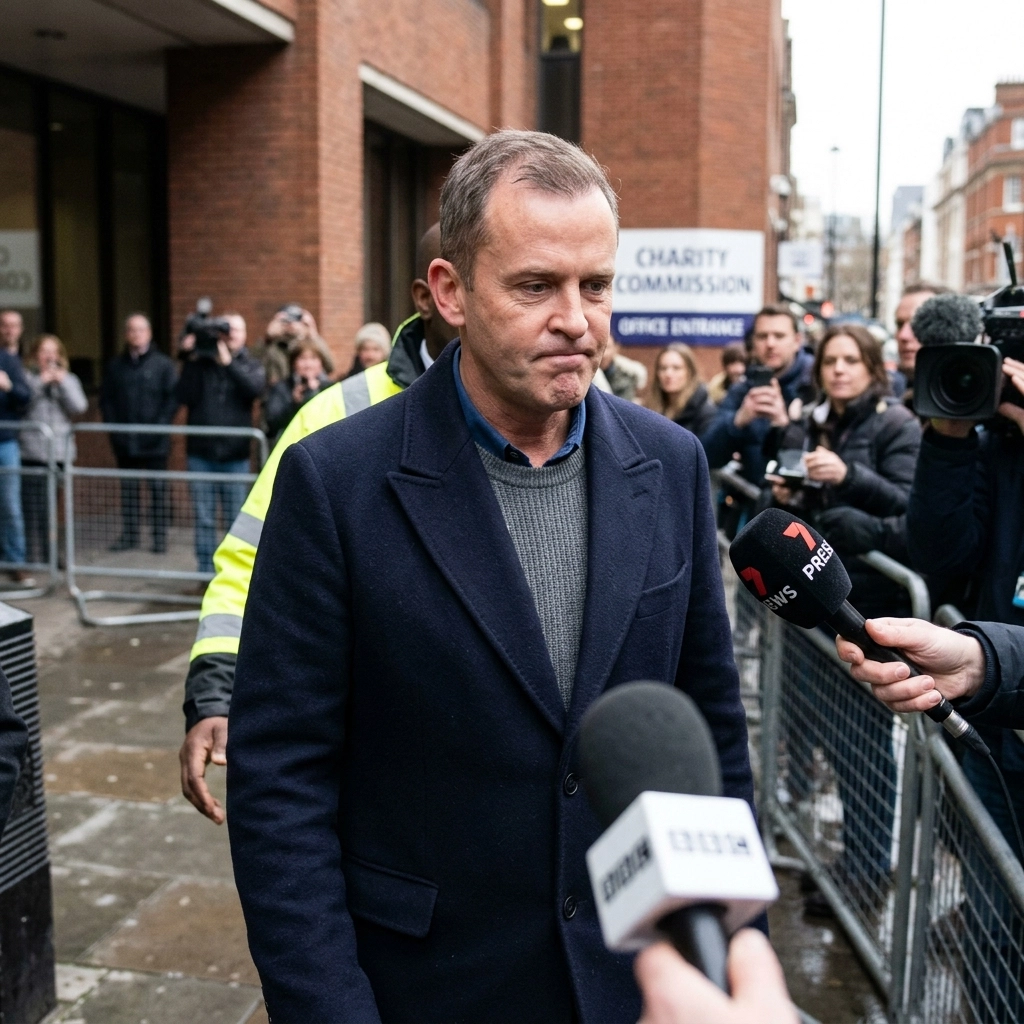
The situation escalated quickly after it was confirmed that the BBC had parted ways with Mills following allegations of serious sexual offences. While the broadcaster remained tight-lipped about the specifics, citing personal conduct, the details that have since trickled out involve a Metropolitan Police investigation into incidents alleged to have occurred between 1997 and 2000. These are heavy, serious claims that involve a minor, and although a previous investigation years ago didn't lead to charges, the fresh focus on his conduct has made his position tenable for neither the BBC nor his charity partners.
The Shockwaves Across the Radio Waves
The suddenness of the departure was what caught most people off guard. One day, Mills is at the helm of the prestigious Radio 2 breakfast show: a role he took over with much fanfare in early 2025: and the next, he is gone. For a man earning upwards of £350,000, the stakes couldn't have been higher. The BBC has a long and often complicated history with its star presenters, and in the modern era, the corporation is under more scrutiny than ever to act decisively when allegations of misconduct arise.
In the landscape of independent news uk, the focus has shifted toward how these massive institutions handle internal investigations. The "untold stories" often lie in the corridors of power where decisions are made to cut ties before the public fully understands why. By the time the news hit the front pages, the decision had been made, and the radio icon was effectively erased from the schedule. This wasn't just a quiet exit; it was a total severance of a decades-long relationship.
Listeners were left wondering what could have prompted such a drastic move. It’s important to remember that Mills has been a fixture of British media for a long time, moving from Radio 1 to Radio 2 and maintaining a loyal following. When that bond is broken, it leaves a vacuum. The allegations, dating back to the late nineties, remind us that the past is never truly gone in the age of digital records and renewed investigative vigour. For the BBC, the risk of association was simply too high, especially given the historical context of previous scandals that have rocked the broadcaster over the last few decades.
Why Charities Are Walking Away
While the media focuses on the career fallout, the real "shaking" is happening within the charity sector. Scott Mills was a high-profile patron for Neuroblastoma UK, a charity dedicated to fighting childhood cancer. This wasn't just a name on a letterhead; Mills joined the cause in 2021 after a close friend’s daughter was diagnosed with the devastating illness. He was the face of major campaigns, using his platform to raise awareness during Childhood Cancer Awareness Month and World Cancer Day.
The moment the BBC dismissed him, Neuroblastoma UK had a very difficult decision to make. Charities rely entirely on trust. When a patron: especially one who represents a cause involving children: is linked to allegations of serious offences against a minor, the association becomes a massive liability. The charity acted swiftly, announcing that they would no longer work with him. Their statement was clear: they were parting ways effective immediately.
This reaction highlights a growing trend in the charity world. In years past, organisations might have waited for a court verdict or a more formal conclusion before distancing themselves. But in today’s climate, the "untold stories" of victims and the potential for reputational damage mean that charities must be proactive. The mission of Neuroblastoma UK is to protect and save children; they simply cannot afford any shadow of a doubt to hang over their patrons. It’s a sad reality that a cause so noble can be caught up in the personal controversies of its advocates, but for the families involved, the priority is always the integrity of the charity.
Searching for Truth in a Media Storm
Navigating the details of this case requires a careful look at the legal timeline. It is known that the Metropolitan Police previously investigated allegations against a man, now identified as Mills, in 2018. At that time, the Crown Prosecution Service decided not to proceed because the "evidential threshold" wasn't met. However, the world in 2026 is very different from 2019. There is a much lower tolerance for ambiguity in the public eye, and the BBC’s internal standards seem to have reached a tipping point that the legal system had not.
As we look at this through the lens of independent news uk, we see a clash between legal innocence (the lack of a conviction) and professional accountability. Mills has not commented publicly on the allegations or his departure, which only adds to the sense of mystery and speculation. For the public, the lack of a clear explanation from either the DJ or his former employer creates a space where "untold stories" and rumours can flourish. This is a difficult position for anyone involved, but it is especially taxing for the victims of any alleged crime who see the justice system and the professional world move at different speeds.
What happens next is anyone's guess. Will there be further investigations? Will more charities come forward to distance themselves? What we do know is that the impact on the charity world has been profound. It serves as a reminder that being a public figure is a position of trust, and that trust is incredibly fragile. For NowPWR, we believe in bringing these complex narratives to light, ensuring that the focus remains on the facts and the impact on the community. The radio might be a little quieter without Scott Mills’ familiar banter, but for the charities he once supported, the work to maintain their integrity and continue their life-saving missions goes on, louder than ever.
It’s a sobering moment for British media. We are seeing the dismantling of a career that spanned decades in a matter of days. As more information becomes available, the conversation will likely shift from the "who" to the "how": how do we ensure that institutions like the BBC and major charities are safe spaces, and how do we handle the legacies of those who fall from grace? These are the questions that will define the next chapter of this story. For now, the focus remains on the allegations that have truly shaken the foundations of the charity world.