The British economy is currently facing a renewed period of volatility as geopolitical tensions in the Middle East reach a critical boiling point. For households across the United Kingdom, the abstract nature of international diplomacy has suddenly become a very concrete reality at the petrol pump and on monthly utility statements. The escalating conflict involving Iran has sent shockwaves through global energy markets, leading to a sharp rise in the cost of crude oil and natural gas. As the situation develops, economists and energy analysts are working to understand the long-term implications for a country already grappling with a fragile recovery from previous inflationary periods.
At the heart of the current crisis is the sudden instability of supply routes that have long been considered the lifeblood of the global energy trade. When regional conflicts escalate to the point of threatening physical transport infrastructure, the market reacts with immediate and often aggressive price corrections. For the UK, which relies on a complex mix of domestic production, European imports, and global shipments of Liquified Natural Gas (LNG), any ripple in the Middle East quickly turns into a tidal wave on the wholesale market. The current surge is not merely a speculative bubble but a reflection of deep-seated fears regarding the physical availability of energy resources in the coming months.
The Geopolitical Chokepoint of the Strait of Hormuz
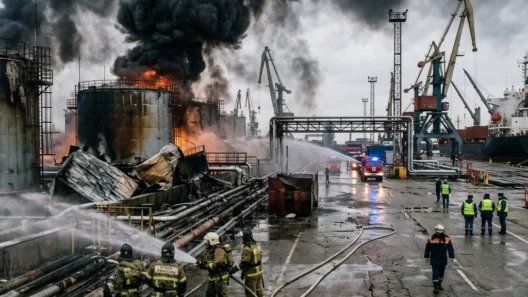
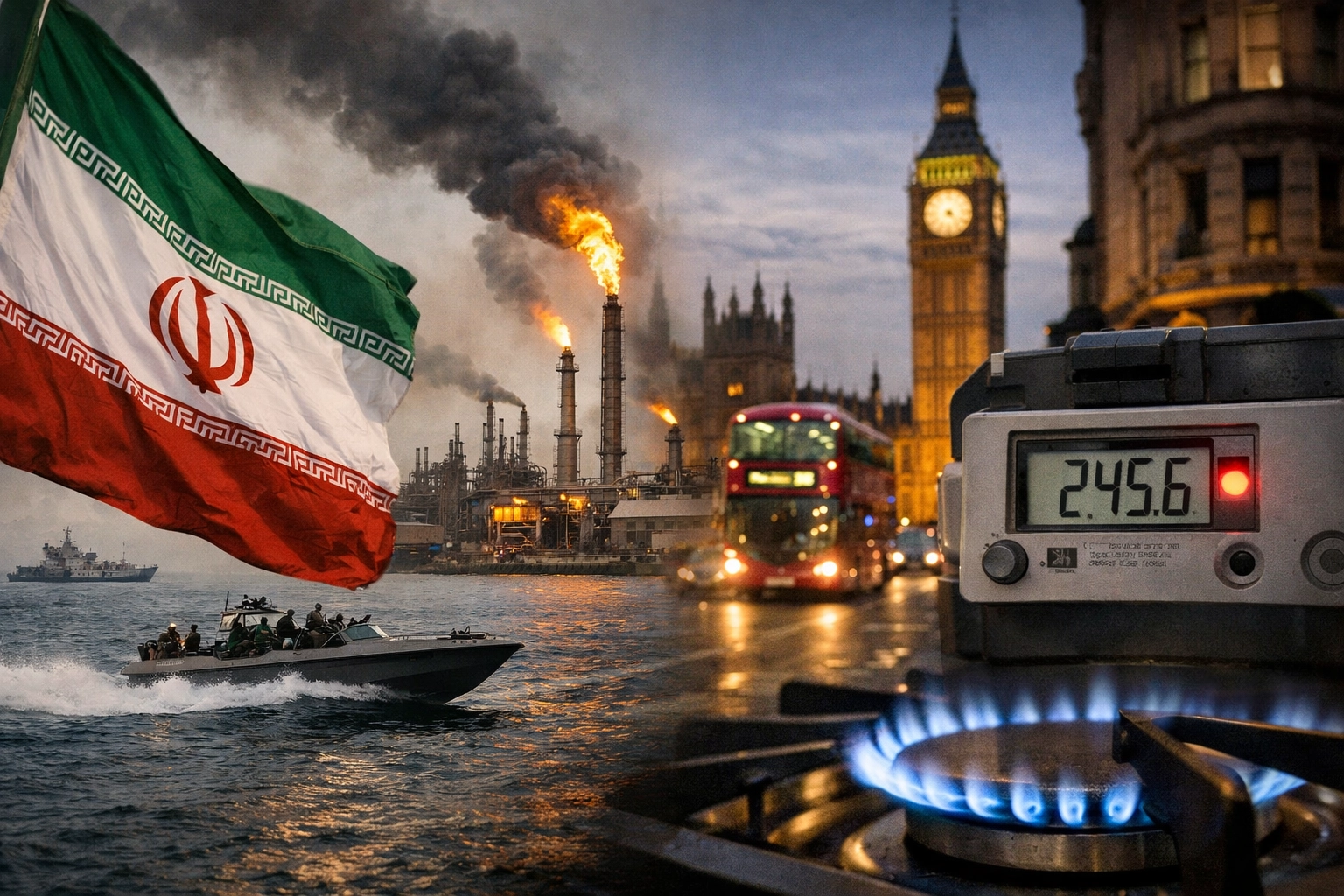
The primary driver behind the recent spike in oil and gas prices is the precarious situation surrounding the Strait of Hormuz. This narrow stretch of water, separating the Persian Gulf from the Gulf of Oman, is arguably the most vital energy artery in the world. It is estimated that approximately 20% of the world’s total consumption of liquid petroleum and a significant portion of global LNG pass through this chokepoint every single day. Recent disruptions and the threat of a prolonged blockade have effectively halted tanker traffic, leaving millions of barrels of oil and vast quantities of gas stranded.
When a blockade or a significant threat of military action occurs in this region, the global market loses its sense of security. Brent crude, the international benchmark that dictates the price of oil in the UK, has already climbed by more than 10% since the conflict intensified. This is not just a concern for motorists; oil prices influence everything from the cost of manufacturing plastics to the price of transporting food to supermarkets. The logistics of global trade are built on the assumption of free movement through these waters, and the current interruption is being described by the International Energy Agency as one of the largest supply disruptions in modern history.
Beyond the immediate physical blockade, the conflict has also impacted production levels in neighbouring states. QatarEnergy, a titan in the LNG sector, has reportedly halted production at its North Field following a series of regional strikes and security concerns. This is particularly problematic for the UK, as Qatari LNG has traditionally acted as a vital buffer during periods of high demand. Without this reliable stream of energy, the UK is forced to compete on the open market for more expensive alternatives, driving up the wholesale price of gas to nearly double its previous levels. The impact of these supply chain fractures is immediate, with market traders pricing in high levels of risk for the foreseeable future.
Wholesale Spikes and the Domestic Energy Market
The transition from global market volatility to British household bills is often swifter than many realise. Wholesale gas prices in the UK have seen a dramatic escalation, with contracts for Summer 2026 recently surging to 123.65p per therm. This represents a significant departure from the stability that had begun to return to the market earlier in the year. For the average consumer, these figures translate into a daunting forecast: household energy bills are expected to increase by anywhere between £330 and £500 annually if current trends persist.
This surge comes at a time when many families are already stretched to their limits. Energy suppliers, who buy gas and electricity months in advance, are finding themselves exposed to these higher costs, which must eventually be passed on to the consumer. While the energy price cap provides some level of protection, a sustained increase in wholesale costs inevitably leads to an upward adjustment of the cap by the regulator. The result is a direct hit to the disposable income of millions, reducing the amount of money circulating in the wider economy and slowing down retail and leisure sectors.
The industrial sector is also feeling the heat. High-energy industries, such as steel manufacturing, glass production, and chemical processing, operate on thin margins where energy is often the primary overhead. When wholesale gas prices double, these businesses face a stark choice: absorb the costs and risk insolvency, or pass the increases on to their customers. This creates a secondary inflationary effect, as the price of UK-manufactured goods rises, making them less competitive on the global stage and more expensive for domestic buyers. The "energy shock" is therefore not a contained event but a systemic pressure that touches every corner of the British economy.
Inflationary Pressures and the Broader Economic Outlook
The broader economic consequences of the Iran conflict are becoming increasingly clear as national institutions release their updated forecasts. The Office for Budget Responsibility (OBR) has issued a warning that if these energy prices remain elevated, it could add approximately 1% to the national inflation rate by the end of the year. This is a significant setback for the government and the Bank of England, both of which have been working to bring inflation back down to the 2% target. A sudden spike in energy costs acts as a "tax" on both consumers and businesses, draining resources and stifling growth.
Moreover, the International Monetary Fund (IMF) has highlighted that the UK is particularly vulnerable to these types of external shocks compared to some of its G7 peers. This vulnerability stems from a high reliance on gas for heating and electricity generation, combined with a housing stock that is among the least energy-efficient in Western Europe. As a result, when global prices rise, the impact on British households is often more pronounced. Financial commentators have noted that this crisis is likely to exacerbate the "cost of living gap," as lower-income households spend a significantly higher proportion of their budget on energy compared to wealthier families.
The long-term outlook remains tethered to the diplomatic efforts in the Middle East. While there is hope that international mediation can reopen shipping lanes and stabilise production, the market remains on edge. For now, the focus in the UK remains on mitigation. There are renewed calls for the government to accelerate the transition to domestic renewable energy to reduce the country’s exposure to the volatility of fossil fuel markets. However, such transitions take years, and the immediate concern remains the looming winter and the potential for even higher price spikes should the conflict escalate further.
The current situation serves as a stark reminder of how interconnected the modern world has become. A conflict thousands of miles away can directly influence the ability of a family in the UK to heat their home or run their car. As the nation watches the headlines from the Middle East, the reality of the economic impact is already being felt in counting houses and kitchens across the country. The path ahead remains uncertain, and the resilience of the UK economy will once again be tested by the unpredictable nature of global geopolitics.