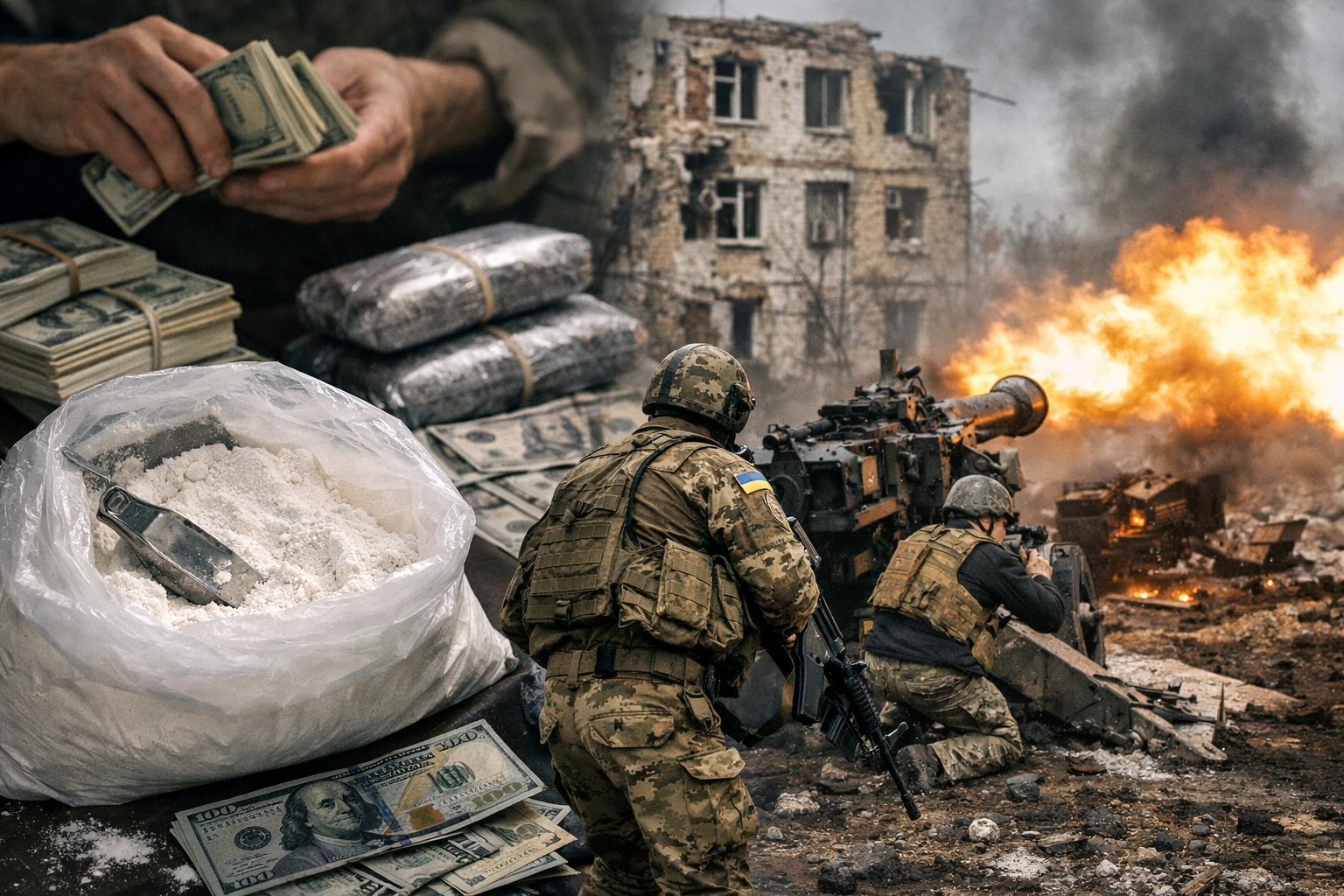
For many people across the United Kingdom, the idea of a Friday night out often involves a pint, a laugh with friends, and for a growing number of individuals, a bit of casual drug use. It is often seen as a personal choice, a way to unwind after a long week in the office. However, a series of startling revelations from the National Crime Agency (NCA) has shed light on a much darker side to this habit. It turns out that the money handed over for a small bag of white powder might be doing more than just fuelling a night out; it could be directly contributing to the ongoing conflict in Eastern Europe.
In the world of independent news uk, we often look for the untold stories that connect our daily lives to global shifts. The connection between the British drug trade UK and Russia war funding is perhaps one of the most unexpected and sobering links discovered in recent years. It highlights a complex web of organised crime, money laundering, and international geopolitics that most casual users would never stop to consider.
The NCA has identified a sophisticated money laundering network operating right here in the UK. This network isn't just shuffling money around to hide its origins; it is allegedly using those funds to support the Russian military machine. By moving billions of pounds generated from local drug sales through various international channels, these criminal organisations are finding ways to bypass Western sanctions and inject capital into industries that support the war effort.
The Hidden Path from UK Streets to Russian Arms
The journey from a street-level transaction in a British city to a Russian arms factory is both complex and frighteningly efficient. According to reports from the NCA, the process begins with the cash generated by the sale of Class A drugs. This money is collected from street dealers and handed over to professional couriers. These couriers, often operating in plain sight, move the cash between at least 28 different UK cities and towns. It is a massive logistical operation that treats illegal proceeds with the same efficiency as a legitimate retail supply chain.
Once the cash is consolidated, it enters a broader money laundering network. This is where the story takes a truly international turn. The NCA’s investigation, known as Operation Destabilise, found that these laundering syndicates have been using the proceeds from the drug trade UK to purchase significant assets abroad. One of the most shocking discoveries was the purchase of a bank in Kyrgyzstan. This financial institution was reportedly used to facilitate payments that directly support Russia’s military efforts, effectively acting as a backdoor for funds to enter the Russian economy despite the heavy sanctions imposed by the UK and its allies.
This isn't just a theory; it is a direct link identified by law enforcement. The money spent on cocaine in London, Manchester, or Birmingham is being laundered through these networks to buy parts, fuel, and equipment for the Russian military. When we talk about untold stories, this is perhaps the most critical one for the British public to understand. The choices made on a Saturday night are having real-world consequences thousands of miles away, contributing to a conflict that has already caused immense suffering.
The Human Impact of Casual Consumption
There is often a significant moral disconnect when it comes to the consumption of illegal substances. Many users consider themselves ethically minded, perhaps choosing to buy fair-trade coffee or supporting local businesses, yet they remain oblivious to the supply chain of their recreational drugs. The "middle-class" drug user has become a focal point for the NCA, as this demographic often provides the consistent revenue that keeps these international laundering networks afloat.
The reality of Russia war funding through these means puts a different perspective on the "victimless crime" argument. The violence associated with the drug trade isn't just limited to turf wars in British inner cities; it is now linked to state-level warfare. The NCA has taken the unusual step of placing advertisements in motorway service station toilets, specifically targeting the couriers who move this cash. These adverts warn that those involved in this chain are not just looking at minor drug offences, but are complicit in a system that supports global instability and faces lengthy jail sentences.
It is a difficult pill to swallow for many, but the drug trade UK is inextricably linked to global geopolitics. By participating in this trade, even at a casual level, individuals are providing the liquidity that allows criminal organisations to operate at a massive scale. These organisations don't care about borders or political ideologies; they care about profit. If that profit can be increased by facilitating the needs of a sanctioned state, they will take that opportunity without hesitation. This creates a cycle where local social issues in the UK are directly financing international aggression.
For more information on how we handle these sensitive topics, you can view our editorial-standards-ethics-policy. We believe in providing clear, factual information so that our readers can make informed decisions about the world around them.
Shining a Light on Geopolitical Consequences
The role of independent news uk is to bring these hidden connections to the forefront. Understanding the mechanics of Russia war funding is essential for a public that wants to see an end to the conflict. When we realise that our domestic economy is being used as a laundromat for war funds, it changes the conversation about drug policy and national security. This isn't just a matter of public health or local crime; it is a matter of international safety.
The scale of the money involved is staggering. Billions of pounds move through these networks every year. While governments work to tighten sanctions and close loopholes, the sheer volume of cash from the drug trade UK provides a constant stream of "dark money" that is incredibly difficult to track. The purchase of the Kyrgyzstani bank was a masterstroke of criminal ingenuity, allowing the network to operate within the global financial system while remaining outside the reach of Western regulators. This level of sophistication shows that we are no longer dealing with simple street gangs, but with multi-national criminal enterprises that have the power to influence global events.
As we continue to explore these untold stories, it becomes clear that transparency is our best tool. The more the public understands the direct link between their actions and global consequences, the more pressure there is for change. Law enforcement agencies like the NCA are doing what they can through operations like Destabilise, but the solution also requires a shift in social consciousness. If the demand for these substances drops, the funding for these laundering networks dries up, and the Russian military loses one of its most covert sources of capital.
The relationship between the drug trade and war is nothing new, but the direct line between British cocaine use and the war in Ukraine is a modern development that requires urgent attention. It highlights the unintended consequences of our globalised world, where a transaction in a local pub can have a ripple effect that ends on a battlefield in Eastern Europe. Staying informed through reliable sources is the first step in addressing these systemic issues.
The investigation into these networks remains ongoing. Law enforcement is working tirelessly to map out every link in the chain, from the street dealer to the international banker. However, the complexity of these operations means that as one route is closed, another often opens. It is a constant battle between those trying to uphold the law and those seeking to exploit its loopholes for profit and power.
In conclusion, the connection between cocaine use in the UK and the funding of the Russian military is a stark reminder of the global impact of local choices. The work of the NCA and reports from major outlets have provided a window into a world that is usually kept in the shadows. By highlighting these links, we hope to foster a greater understanding of the hidden costs associated with the drug trade. The situation remains a priority for national security services, and the outcome of these investigations will likely shape how the UK tackles organised crime and sanctions evasion for years to come. Regardless of where one stands on the issue of drug reform, the reality of where that money ends up is something that can no longer be ignored.