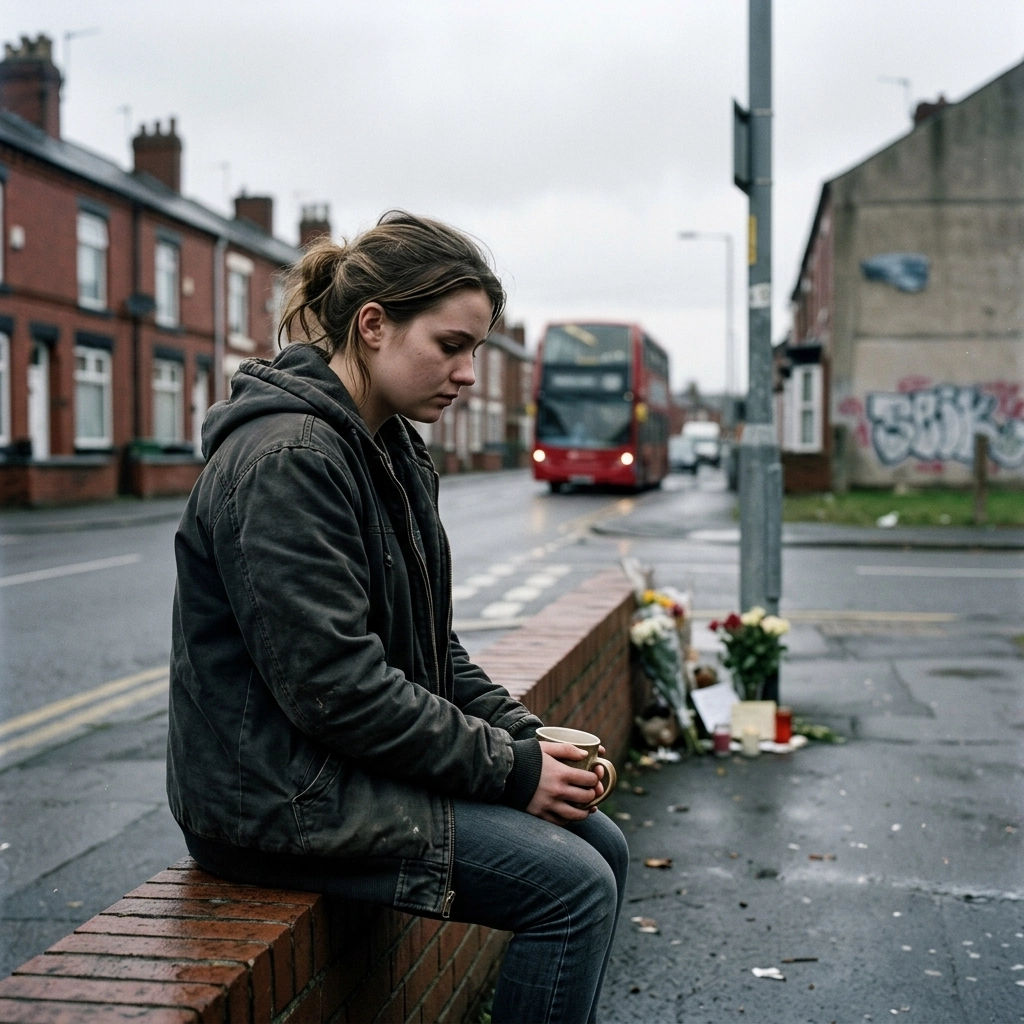
The conversation around child exploitation in the United Kingdom is often framed as if it belongs to the past: investigated, exposed and dealt with. But for survivors, families and frontline workers, the picture is far more unsettling. Scarlett’s story, after being trafficked and groomed at 14 in Manchester, is a reminder that these networks have not gone away. They have simply adapted, becoming harder to spot and easier to dismiss.
In recent years, grooming networks have shifted from the more visible, town-centre patterns many people remember into something far more fragmented and difficult to track. While some may assume the crisis has faded, survivors and campaigners say the risk remains real. For anyone following independent news uk, these are exactly the kind of untold stories that matter: the ones that reveal where systems still fall short and where vulnerable young people are still being left exposed. Scarlett’s move from victim to advocate also shows how much responsibility is still being pushed onto survivors to raise the alarm.
Manchester remains a key focus in this conversation. What Scarlett experienced was not a one-off case or a closed chapter. It was part of an active pattern of exploitation that continues to affect children today. That is what makes her account so difficult, and so important, to ignore.
How the landscape of exploitation is shifting
The traditional picture of grooming gangs often focused on public spaces, takeaways or taxi ranks. Some of that still exists, but the reality has shifted sharply online. Groomers now use social media, gaming platforms and encrypted messaging apps to build trust from a distance. That change has made the first point of contact much harder for parents, schools and police to spot, because it can begin quietly in bedrooms and on phones rather than out in the open.
Even with that move online, there is still a strong overlap with organised criminal exploitation. In many cases, abuse is tied to drug supply, county lines activity and coercive control. Young people can be manipulated into carrying drugs, holding cash or being moved between properties, all while being told they are responsible for what is happening to them. That pressure makes disclosure far less likely.
Across Manchester and other parts of the UK, these networks also appear more decentralised than before. Rather than one clearly visible group, there may be smaller linked circles operating across boroughs and cities. That makes tracking missing children, gathering evidence and intervening early much harder for overstretched local services.
The complex link between gangs and digital grooming
The evolution of grooming tactics has created a more blended model of exploitation. A young person may be contacted online by someone who seems like a friend, romantic interest or even another teenager, only to be pulled into an offline network once trust has been established. That jump from digital contact to in-person control can happen quickly, and for survivors like Scarlett, the emotional damage can take years to unpack.
Many untold stories from survivors show the same pattern: groomers are highly skilled at spotting vulnerability. They target children dealing with isolation, mental health struggles, pressure at home or a sense of not belonging. By offering attention, money, gifts or a feeling of safety, they build dependence. Once that dependence is in place, manipulation becomes control. Debt bondage, threats and emotional blackmail are all used to keep victims silent.
It is also important to avoid simplistic assumptions about who offenders are. Current cases suggest exploiters can come from very different backgrounds and can operate alone, in loose groups or inside wider criminal networks. That makes public awareness more difficult, but also more important. There is no single profile, which means safeguarding has to focus on patterns of behaviour rather than stereotypes.
Breaking the silence on systemic protection failures
One of the hardest parts of Scarlett’s story is how familiar the pattern feels. Despite years of inquiries and promises of reform, serious gaps remain in the way schools, police and social services work together. When a child goes missing or shows warning signs, the response can still be patchy and too slow. In some cases, children are treated as difficult or disruptive when they should be recognised as victims of organised exploitation.
There is also a wider issue around missed warning signs. Changes in behaviour, repeated absences, unexplained gifts, extra phones or sudden secrecy can all point to grooming, yet they are still too often overlooked. For independent news uk, keeping attention on these failures matters because these untold stories show what happens when scrutiny fades and the pressure for reform drops away.
Scarlett’s more recent encounters with vulnerable teenagers underline the same concern: intervention still often comes too late. If a child is known to be at risk but cannot be protected quickly, the system is not working as it should. The long-term impact can be severe, shaping mental health, relationships and trust in authority well into adulthood.
The reality of grooming in 2026 is that it is a persistent, evolving threat that requires a more dynamic and integrated response than what is currently provided. The bravery of survivors who choose to speak out, despite the trauma it involves, is often the only thing keeping this issue on the national agenda. Their stories serve as a necessary disruption to the comfort of thinking the problem has been solved. By listening to these voices, society can begin to understand the true scale of the challenge and demand the structural changes necessary to ensure that the silence surrounding grooming gangs is finally and permanently broken.
The ongoing operation of these gangs in cities like Manchester serves as a call to action for better resources, more specialised training for frontline workers, and a legal system that puts the protection of the child above all else. As the methods of exploiters continue to change, our methods of protection must keep pace. The silence of the past cannot be allowed to define the future for the next generation of vulnerable children. Understanding that this is an active, current crisis is the first step toward creating a safer environment for everyone.