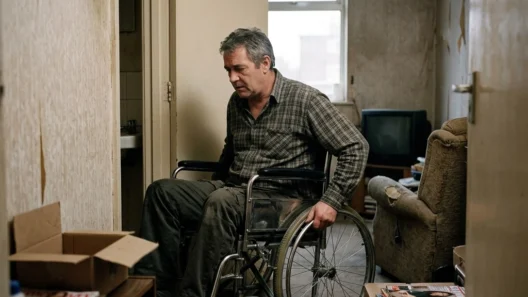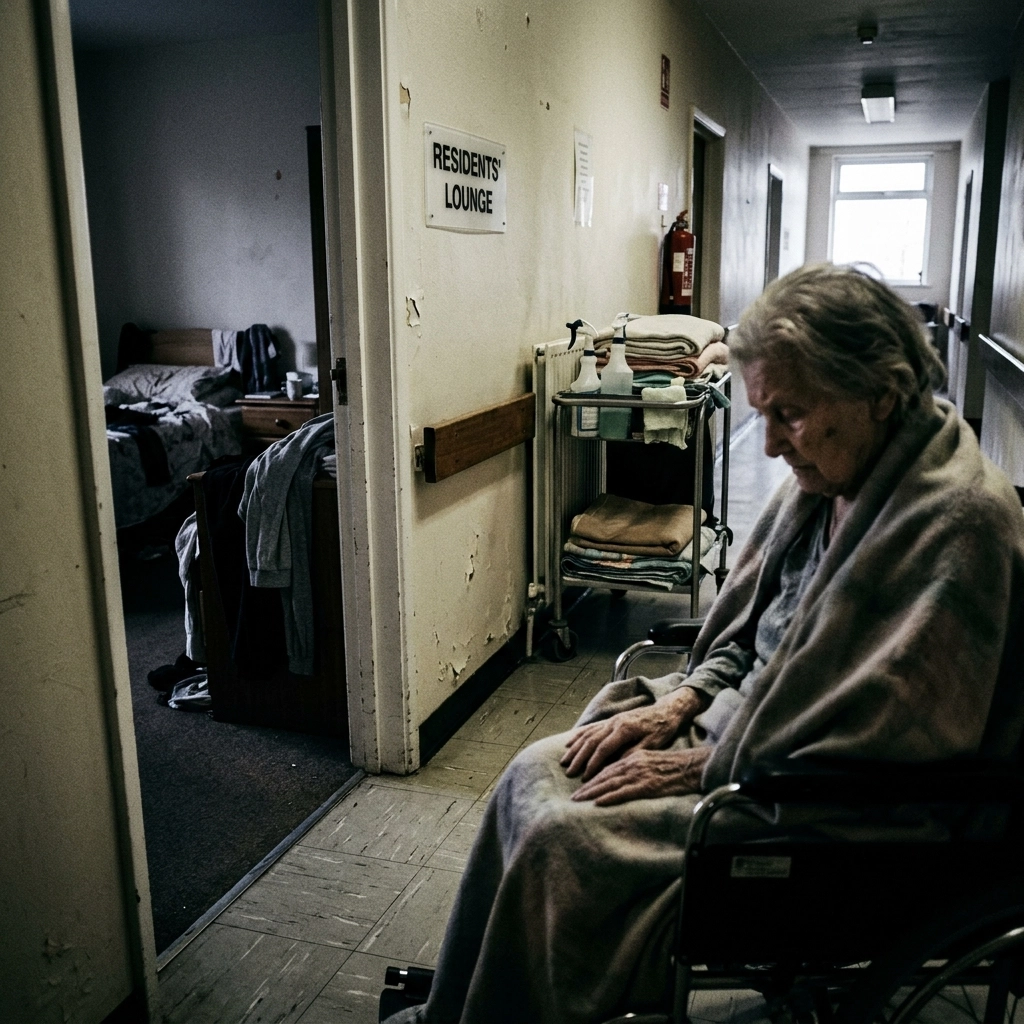
It is a thought many of us try to push to the back of our minds. The idea that when we, or our loved ones, reach a point where we can no longer look after ourselves, the places meant to keep us safe might actually become the source of real suffering. We like to think of care homes as places of dignity, warmth and professional support. Unfortunately, recent revelations across the country point to a much darker reality. It is a picture shaped by neglect, physical harm and conditions that most of us would never want for anyone. As a source of independent news uk, we believe it matters to bring these untold stories into the open, even when they are difficult to read.
The stories emerging from some care facilities are deeply troubling. We are not just talking about a missed meal or a cold cup of tea. We are talking about systemic failures that leave residents in distressing and unsafe conditions, with unexplained injuries and serious lapses in basic care. When we talk about the care sector, it is fair to ask who is actually being cared for. In too many cases, the focus appears to have shifted away from residents and towards the bottom line of the companies running these facilities.
Behind the Scenes of the Care Crisis
When you walk through the front doors of many modern care homes, everything can look spotless. There may be fresh flowers in the lobby, friendly reception staff and brochures filled with smiling residents. But once visiting hours end and families head home, the atmosphere can feel very different. For some residents, daily life becomes quiet, isolated and deeply distressing. One of the most alarming parts of this crisis is the scale of basic hygiene failures. Reports of severe lapses in wound care and personal hygiene are not simply isolated incidents. They point to a system where essential care is too often missed.
There is also the physical evidence of neglect. Families are increasingly reporting unexplained bruising and injuries affecting parents and grandparents. Staff may point to accidental falls or fragile skin, but repeated patterns can raise serious concerns. In busy and understaffed environments, pressure can overwhelm even well-meaning workers. These are the untold stories that rarely appear in polished brochures or reassuring sales language. They usually come to light only because families keep asking questions and whistleblowers refuse to stay silent.
Emotional neglect matters just as much. Many residents spend long hours alone in the same room with very little conversation or stimulation. In homes where staffing levels are dangerously low, there may be hardly enough time for a proper chat, a walk outside or even help with a glass of water. Dehydration and malnutrition remain worrying issues in some UK care settings. When someone is too frail to feed themselves and nobody is available to help, the consequences can be serious. That is not simply poor service. It is a basic failure of dignity and care happening in communities across the country.
The Human Cost of Systemic Failures
To understand why this is happening, it helps to look at how the industry is structured. The care sector in the UK has been under intense pressure for years. Funding problems, staff shortages and growing financial pressure on operators have created a deeply unstable environment. When a care home is treated more like an asset than a home, the quality of life for residents is often one of the first things to suffer. Staffing is usually the biggest cost, so it can become the easiest target when budgets tighten.
That creates a situation where one carer may be responsible for far too many residents with complex needs. Under those circumstances, dignified care becomes incredibly difficult to deliver consistently. Staff can become burnt out, exhausted and emotionally detached. Over time, people risk being seen less as individuals and more as tasks on a list. That loss of human connection sits at the heart of many neglect concerns. When care becomes mechanical, compassion can slip away.
There is also the issue of training. In some facilities, staff are expected to manage residents with dementia, physical disabilities and serious emotional distress without enough preparation or support. That can lead to medication mistakes, unsafe handling and missed warning signs when someone's health starts to decline. These are not always simple one-off errors. They can be the predictable outcome of a system that too often values efficiency over proper support. By reporting these untold stories, we can better understand that responsibility does not always sit with one worker alone, but with the wider system around them.
Watching for the Warning Signs
For families with loved ones in care, the worry is often constant. How can you know what is really happening when you are not there? Many residents may be unable to explain what they are experiencing because of cognitive decline, while others may feel too frightened or too dependent to speak openly. That is why it is so important to stay alert and ask questions. It means looking past the polished surface of a facility and paying attention to the small details that reveal the bigger picture.
Physical signs are often the clearest warning signs. Frequent unexplained bruising, especially around the upper arms or torso, should raise concern straight away. Bedsores are another serious indicator, as they can suggest someone is being left in one position for far too long. Behaviour matters too. If a normally chatty relative suddenly becomes withdrawn, anxious or visibly uncomfortable around certain staff members, that shift should not be ignored. Trusting your instincts can be important.
It is worth checking the wider environment as well. Does the home smell clean and well maintained? Are residents dressed appropriately for the weather? Is fresh water easy to reach? These may sound like small things, but they are part of everyday dignity. When these basics are missing, it can point to deeper problems in how the home is being managed. Better oversight, stronger accountability and more unannounced inspections all have a role to play. Without that pressure, poor conditions can remain hidden for far too long.
The issues facing our care sector are deeply ingrained and won't be fixed overnight. It requires a fundamental shift in how we value the elderly and those who look after them. We need better funding, better pay for carers to attract the right people, and much tougher penalties for facilities that fail to meet basic standards of humanity. It is a tragedy that in a modern society, we are still hearing stories of maggots and bruises in places that should be sanctuaries. We will continue to bring you these untold stories because ignoring the problem only allows it to grow. Our elderly population deserves more than just a roof over their heads; they deserve a life lived with respect, safety, and genuine care.
The situation in many UK care homes remains a matter of significant concern. While there are undoubtedly many facilities providing excellent, compassionate support, the prevalence of neglect and poor conditions in others cannot be ignored. Addressing these systemic failures is essential to ensuring that all vulnerable individuals receive the dignity and protection they are entitled to. Continuous monitoring and a commitment to transparency are necessary steps toward improving the standard of care across the country.