The conversation around asylum in the UK is rarely a quiet one. It is often dominated by loud headlines, heated debates in the Commons, and a lot of statistics that can make it easy to forget we are talking about real people. Recently, Home Secretary Shabana Mahmood announced a series of tighter asylum support and accommodation policies. While the political goal is often framed as "efficiency" or "deterrence", the reality on the ground is far more complex. At NowPWR, we believe in digging into these untold stories to understand what these shifts actually mean for the individuals caught in the system. As a source for independent news uk, it is our job to look past the political posturing and see the human faces behind the paperwork.
When we talk about asylum curbs, we are essentially talking about making the path to safety narrower and the conditions of staying here while waiting for a decision much tougher. It is a balancing act that the government tries to perform, but often, the weight falls heavily on those who have the least to give. The latest updates suggest a move towards even more restrictive support structures, aiming to reduce the reliance on certain types of accommodation and cutting back on the financial aid provided to those seeking refuge. But what does that look like when you’re the one living it? It means more uncertainty, more shared spaces with strangers, and a constant feeling of being unwelcome in a place where you sought protection.
Tightening the Belt on Support and Shelter
The latest round of policy changes focuses heavily on how and where asylum seekers are housed. For a long time, the use of hotels was a major sticking point for the public and the government alike. The new direction aims to move away from these temporary fixes, but the alternatives often involve large-scale, institutionalised settings that can feel less like somewhere to recover and more like somewhere to simply wait. When support is "tightened", it is not just about saving money; it changes day-to-day life for people already stuck in limbo. These individuals are not allowed to work while their claims are processed, so they depend on the state for every basic need, from a toothbrush to a pair of shoes.
When accommodation policies become more restrictive, overcrowding often follows. It is not just about having a roof over your head; it is also about the dignity that comes with having a bit of space and stability. For many families, this can mean being moved at short notice, children being pulled out of schools where they had only just started to feel settled, and the loss of local support networks that matter hugely for wellbeing. By focusing so heavily on cutting costs, the system can end up ignoring the longer-term social impact of keeping people in a constant state of uncertainty.
The reduction in financial support is another major hurdle. These payments are already well below the poverty line. When they are reduced further, buying fresh food, travelling to a legal appointment, or even making a phone call home can become incredibly difficult. This is where untold stories often sit: in the quiet stress of everyday choices that most people would never think twice about. As an outlet for independent news uk, we think those smaller moments matter because they show the real human effect of policies that are too often discussed in abstract terms.
The Ripple Effect on Families and Mental Health
It is impossible to discuss asylum curbs without talking about mental health. Seeking asylum is, by its nature, a traumatic process. Many people arriving in the UK have fled conflict, persecution, or serious violence. They may already be carrying deep emotional scars, only to find themselves in a system that can feel distant and unforgiving. The uncertainty of waiting months, or even years, for a decision can slowly wear people down. Add tighter accommodation rules and less support, and the pressure only grows.
Isolation is a major part of that picture. When people are housed in remote areas or large-scale sites far from towns and cities, they can lose access to charities, legal advice, community groups, and simple everyday connection. That isolation can feed anxiety, depression, and hopelessness. For children, the effect can be especially serious. Growing up in what feels like permanent temporary living can shape their education, confidence, and sense of safety in lasting ways.
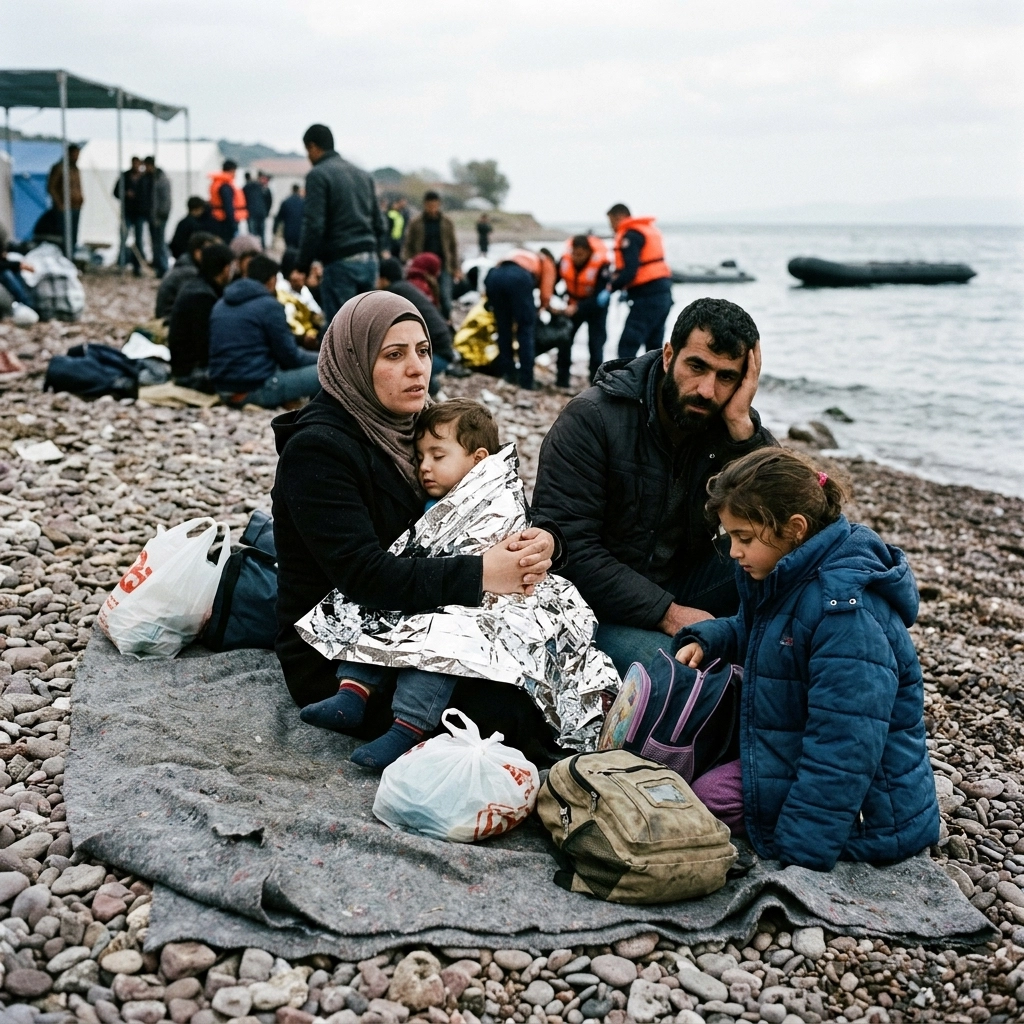
Families often feel these curbs most sharply. Separation is a constant fear, whether through sudden relocations or wider uncertainty about what comes next. Policies designed to send a hard message can end up sending that message through the lives of vulnerable people. In following these untold stories, what stands out is not only the strain but also the resilience of families trying to keep going under intense pressure. That resilience deserves recognition, but it should not be endlessly tested by a system that treats people as a logistical issue rather than human beings in need of protection.
Looking at the Long-Term Consequences
Looking at the bigger picture, these asylum curbs may serve short-term political goals, but the long-term consequences for British society could be serious. When people are treated with suspicion and given only the bare minimum, it does not create strong foundations for integration later on. Many people seeking asylum will eventually be granted the right to stay because their claims are valid. If they reach that point after years of instability and stress, it becomes much harder for them to rebuild, find work, and contribute to their communities in the way they want to.
There is also the issue of the UK’s international standing. A country that values human rights and the rule of law is judged, in part, by how it treats people at their most vulnerable. Tougher policies may sound politically effective, but they can also draw legal challenges and criticism when they fall short of basic humanitarian standards. The human cost does not stop with asylum seekers either; it can affect the workers, volunteers, and local communities dealing with the strain of an increasingly harsh system.
Ultimately, the conversation needs to move beyond the idea that asylum is a problem best handled by making life harder. A fair system can still be efficient, but it also needs to be humane. Providing decent accommodation and adequate support is not an extra; it is part of what a functioning society should do. As we continue covering independent news uk, we will keep focusing on untold stories like these so the lived impact of policy is not lost behind the headlines. A more measured and humane approach would not solve everything overnight, but it would be a far better starting point for the future.
In the end, policy is about more than just numbers on a spreadsheet or rhetoric in a speech. It is about the lives of men, women, and children who are looking for nothing more than a chance to live without fear. As the Home Office moves forward with these tighter curbs, it is vital that we keep asking who is paying the price for these changes. By focusing on the human impact, we can hope for a future where the system reflects the best of our values, rather than our fears. The road ahead is certainly challenging, but acknowledging the reality of the situation is the first step toward a more compassionate approach to asylum in the United Kingdom.