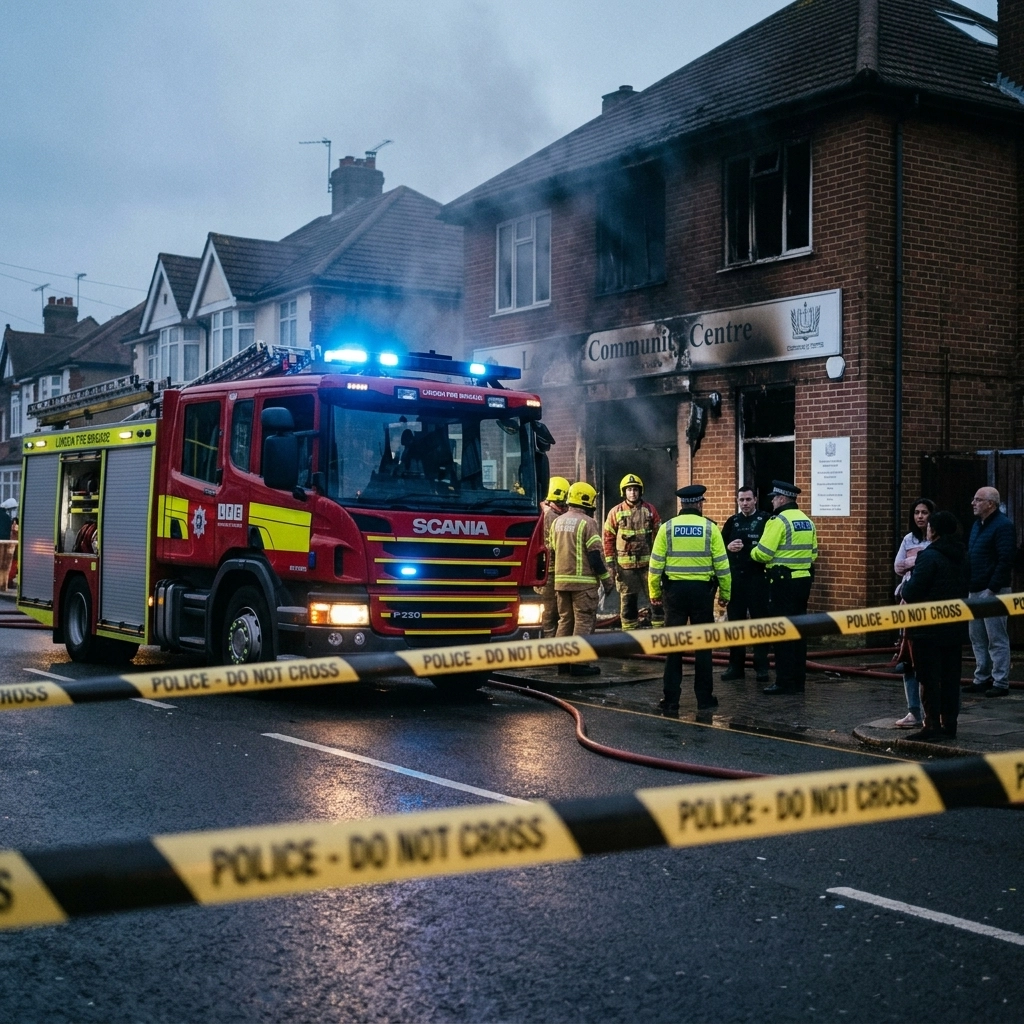
In the quiet hours of a Monday morning in March 2026, the residential streets of Golders Green were shattered by a series of explosions. What initially sounded like a mechanical failure or a tragic accident quickly revealed itself to be something far more sinister. For the residents of this North London neighbourhood, the sight of orange flames licking the night sky wasn’t just a fire; it was a targeted strike against a pillar of their community.
The incident, which took place on March 23, saw four ambulances belonging to the Hatzola service destroyed. Hatzola is a volunteer-led emergency medical service that has long been a source of pride and safety for the Jewish community and beyond. Seeing these vehicles: symbols of life-saving care: reduced to charred skeletons has sent ripples of anxiety through the local area. When we look at independent news uk reports, we often see statistics about crime, but it is the untold stories of the people behind the headlines that truly matter. These are the residents who had to flee their homes in their pyjamas and the volunteers who woke up to find their tools of trade turned to ash.
The Events of a Chilly March Morning
The timeline of the attack paints a picture of a calculated and swift operation. At approximately 1:45 AM, while most of Golders Green was fast asleep, three individuals wearing hoods were captured on CCTV entering the car park of a local synagogue. This wasn’t a random act of vandalism or a spur-of-the-moment decision. The footage shows the suspects pouring what appears to be an accelerant over the fleet of Hatzola ambulances before igniting them. Within moments, the vehicles were engulfed in flames.
The situation escalated rapidly due to the nature of the vehicles involved. Ambulances, by necessity, carry oxygen canisters to help patients in respiratory distress. As the heat from the fire intensified, these canisters began to explode, sending shockwaves through the immediate vicinity. The sound was loud enough to wake neighbours several streets away, leading to a frantic series of calls to the emergency services.
Local fire crews arrived on the scene quickly, but the risk posed by the exploding canisters meant that a significant safety perimeter had to be established. In total, 34 residents from nearby houses were evacuated in the middle of the night. Many were elderly or families with young children, forced to wait in a local rest centre while firefighters battled the blaze. It is a testament to the bravery of the first responders that no one was physically injured during the chaos, though the psychological toll on those evacuated remains significant. By the time the sun rose, four ambulances were completely destroyed, leaving the car park a blackened mess of melted plastic and twisted metal.
Investigating the Motive and the Impact
Following the initial dampening down of the site, the Metropolitan Police launched a full-scale investigation. Because the attack targeted a specific Jewish charity located on the grounds of a synagogue, the incident was quickly classified as an antisemitic hate crime. While detectives have stated that they are not currently treating it as a terrorist incident, the label of a hate crime carries its own heavy weight. It suggests that the motive was not just destruction, but the intimidation of an entire community based on their identity and faith.
The loss of four ambulances is a massive blow to the Hatzola service. Unlike the NHS, Hatzola relies heavily on donations and the dedication of volunteers who live and work within the community. These vehicles are equipped with high-tech medical gear that allows volunteers to reach patients in those critical minutes before a standard ambulance might arrive. The loss isn’t just financial: though the cost runs into hundreds of thousands of pounds: it’s operational. Every hour an ambulance is out of service is an hour where a life-saving response might be delayed.
Despite the devastation, the spirit of the service has remained remarkably resilient. Within hours of the attack, Hatzola representatives confirmed that while their fleet was diminished, their commitment to the public remained unshaken. They have continued to respond to calls using their remaining resources, proving that while you can burn a vehicle, you cannot so easily extinguish the desire to help others. This resilience is one of the many untold stories that deserve more attention in the broader media landscape. It’s a story of a community refusing to be cowed by fear or hate.
Resilience in the Face of Adversity
In the days following the arson, the atmosphere in Golders Green has been one of sombre reflection mixed with a renewed sense of vigilance. Fear is a natural response to such a brazen attack, especially when it happens so close to home. Jewish residents across London have expressed concerns about their safety, noting that such incidents don't happen in a vacuum. They are often the culmination of rising tensions and a sense that the safety net of the community is being tested.
Local government officials from neighbouring boroughs like Haringey and Hackney have stepped up in solidarity. Both councils have pledged to increase enforcement patrols and work closely with faith leaders and community partners. The goal is to ensure that everyone, regardless of their background, feels protected in their own neighbourhood. This collaborative approach is vital. It isn't just about police on the streets; it’s about a collective refusal to accept hate as a norm in 2026.
As we look at the wider implications of this event, it serves as a reminder of why independent news uk outlets are so important. By focusing on the local impact and the human side of the story, we can better understand the fabric of our society. The Golders Green arson is a tragedy, certainly, but the response to it: the donations pouring in for Hatzola, the neighbours checking in on those who were evacuated, and the united front against antisemitism: shows a community that is far stronger than any fire.
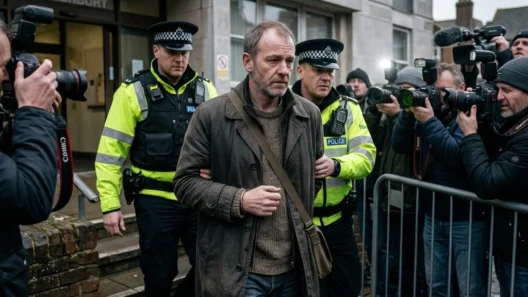
The investigation into the three suspects continues, with police urging anyone with dashcam footage or information to come forward. For now, the people of Golders Green are picking up the pieces. The charred remains of the ambulances have been cleared, but the memory of that night remains. The path forward involves both justice for the perpetrators and continued support for the volunteers who keep the community safe every day.
The arson attack in Golders Green stands as a stark reminder of the challenges facing diverse communities today. While the physical damage to the Hatzola ambulances is extensive, the symbolic impact on the community is even deeper. The classification of the incident as a hate crime highlights the ongoing need for vigilance and social cohesion. As the police investigation continues and the community seeks to replace its lost resources, the focus remains on resilience and the refusal to let fear dictate the terms of daily life. Through the support of local authorities and the strength of volunteer organisations, the neighbourhood aims to emerge from this incident with a reinforced sense of unity.