The atmosphere in the UK lately feels a bit different, doesn’t it? If you’ve been scrolling through your feed or chatting with neighbours, you’ve probably felt that growing sense of unease. According to recent data, a staggering 84% of us feel the country is more divided than ever. While we often talk about these things in broad strokes: debating politics or the economy over a cuppa: there are specific corners of our society where these tensions aren’t just a talking point; they are a daily reality. For the Jewish community in Britain, the recent surge in anti-Semitism UK wide has transformed ordinary routines into acts of quiet courage.
As an outlet for independent news uk, we wanted to look past the loud headlines and the shouting matches on social media. We wanted to hear the untold stories of the people living through this. It’s one thing to see a graph showing a spike in hate incidents; it’s quite another to hear from a mother who hesitates before sending her kids to school, or a shopkeeper who has started looking over his shoulder when locking up for the night. The reality of community safety is shifting, and it’s important to understand the human cost of these statistics.
Real People and the Stories Behind the Statistics
Take a walk through Golders Green or parts of Manchester, and you’ll see the vibrant heart of the UK’s Jewish community. But lately, that heart has been beating a little faster. For people like Sarah, a grandmother who has lived in North London for nearly fifty years, the change is palpable. She told us about how she’s lived through various political cycles, but this feels different. "I’ve always worn my Star of David with pride," she says, her voice steady but her eyes reflecting a certain weariness. "But lately, my daughter asks me to tuck it under my jumper when I’m on the bus. It’s a small thing, but it feels like losing a piece of myself."
Sarah’s story is just one of many untold stories that don’t always make it into the nightly news. It’s the subtle shift in behaviour: the decision to take a different route home, the silence in the face of a comment that feels "off," the extra glance at the security guard outside the synagogue. These aren’t just isolated moments; they are a collective experience of a community feeling increasingly under the spotlight for all the wrong reasons. The rise in anti-Semitism UK wide isn’t just about the high-profile incidents that grab the front pages; it’s about the erosion of the simple right to feel at home in your own neighbourhood.
Then there are the younger generations. Students at universities across the country are navigating a landscape that often feels hostile. We spoke to David, a second-year student who described the "exhaustion" of constantly having to justify his existence or answer for global events he has no control over. "You go to a lecture to learn about history or biology, but you end up feeling like you’re on trial," he explains. For David and his peers, the concept of community safety has expanded to include digital spaces, where the vitriol can be even more relentless. This is the "powder keg" of social tension that researchers are warning about: a mix of historical prejudice and modern-day polarisaton that makes everyday life feel like a minefield.
Policing a Shifting Landscape of Community Safety
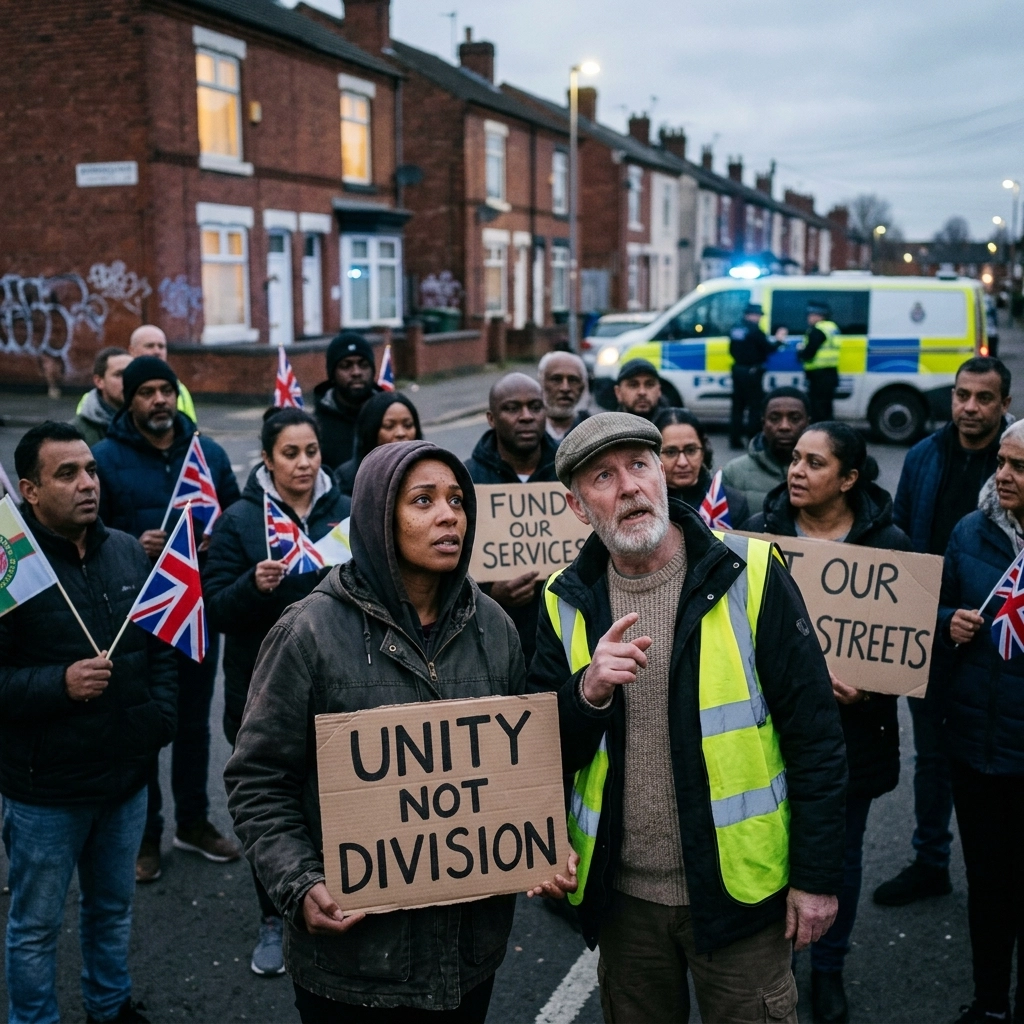
When tensions rise, we naturally look to the authorities to step in and keep the peace. The police response to the increase in anti-Semitic incidents has been significant, but it’s a massive challenge. In cities like London and Manchester, there has been a visible increase in patrols around Jewish schools, community centres, and places of worship. This "ring of steel" approach is designed to provide reassurance, but it also serves as a stark reminder of the risks involved. Seeing a police van parked outside a primary school isn’t exactly the vision of a relaxed, cohesive society we all want to see.
The relationship between the police and organisations like the Community Security Trust (CST) is vital. The CST works tirelessly to monitor threats and provide security training to volunteers within the community. It’s a partnership built on necessity. Officers we spoke to off the record admit that the current climate is taxing. They aren't just dealing with physical threats; they are policing the edges of a "culture war" where every action is scrutinised and every incident has the potential to spark wider unrest. For the police, community safety isn’t just about responding to crimes after they happen: it’s about the preventative work of building trust in an era where trust in institutions is at an all-time low.
However, the police can’t be everywhere at once. The surge in reported incidents: ranging from verbal abuse on the street to more serious physical threats: means resources are stretched thin. This is where the importance of independent news uk becomes clear; by highlighting where the system is working and where it’s falling short, we can foster a more honest conversation about what’s actually needed. Is more policing the only answer, or do we need to look deeper at the social fractures that allow this kind of hate to grow? The police themselves often point out that they are the sticking plaster on a much deeper wound in our social fabric.
Navigating the Future of Untold Stories
So, where do we go from here? The data tells us that 64% of the public now see these culture wars as a serious problem for our society. It’s easy to feel pessimistic when looking at the numbers, but the untold stories of resilience within the UK Jewish community tell a different tale. Despite the fear and the increased security, life goes on. Synagogues remain full on Saturdays, community centres continue to host their youth groups, and the sense of solidarity within the community has arguably never been stronger.
There is a quiet defiance in continuing to live an authentic life in the face of rising anti-Semitism UK residents are seeing today. It’s in the neighbours who aren't Jewish but reach out to check in on their friends. It’s in the local shops that refuse to let the atmosphere of division dictate how they treat their customers. These acts of micro-solidarity are just as important as the macro-policing strategies when it comes to long-term community safety. We need to start telling more of these stories: the stories of people bridging the gaps, rather than just the ones widening them.
As we look forward, the challenge for all of us in the UK is to decide what kind of neighbours we want to be. The "powder keg" doesn't have to explode if we find ways to de-escalate the tension in our own circles. By listening to the personal stories of those affected, we move away from abstract debates and back to the reality of human experience. It’s about ensuring that everyone, regardless of their background or faith, can walk down a British street without looking over their shoulder. That’s the goal of any healthy society, and it’s one that requires all of us to pay attention, stay informed, and refuse to let division become our new normal.
The situation remains complex and the path ahead isn't entirely clear. What is certain, however, is that the Jewish community’s experience is a vital barometer for the health of our wider democracy. When one group feels targeted, it’s a sign that the ties that bind us all are fraying. By focusing on the personal narratives and the practical steps being taken to ensure safety, we can begin to understand the true scale of the challenge. It’s not just about stopping a "powder keg" from igniting; it’s about building a society where the fuse was never lit in the first place. Through independent news uk perspectives, we will continue to follow these stories and provide a platform for the voices that need to be heard most during these turbulent times.