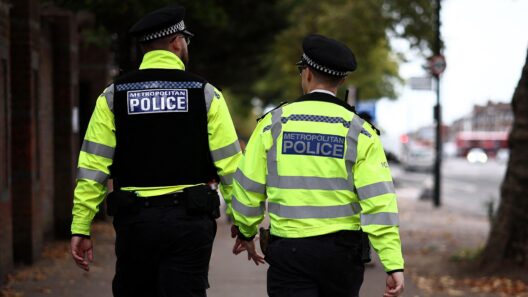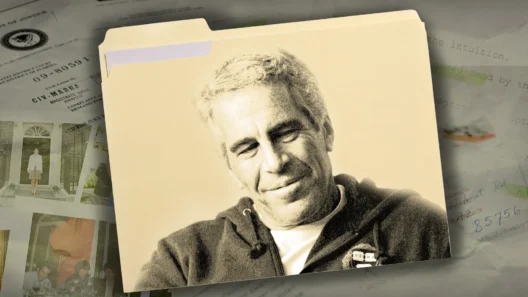
The investigation into the late Mohamed al Fayed has entered a new and much more intense phase. For decades, many of the details surrounding his conduct at Harrods and beyond remained part of the many untold stories whispered in corridors but never fully brought to light. Today, the situation has changed drastically. The Metropolitan Police have shifted their focus from the former billionaire himself: who died in 2023: to the network of people who allegedly enabled, facilitated, and covered up a system of predatory behaviour. This isn’t just about one man anymore; it is about an entire infrastructure of power and the quest for accountability that has already seen three women questioned under caution.
As the scale of the allegations grows, the sheer number of victims coming forward has reached staggering proportions. There are now 154 victims identified in the police investigation, with hundreds more contacting legal teams. The focus has moved toward human trafficking and the facilitation of rape, marking a significant legal shift. By investigating these specific crimes, authorities can look at the movement of people and the administrative processes: such as mandatory medical screenings: that allegedly prepared women for abuse. This approach allows the legal system to pursue justice even though the primary suspect is no longer alive to face a courtroom.
The Infrastructure of Facilitation
The most recent developments in this case involve the questioning of three women in relation to allegations of sex trafficking and the facilitation of rape. This is a crucial turning point because it suggests that the police are not just looking for witnesses, but are actively identifying potential co-conspirators. In any large organisation, a culture of silence doesn’t happen by accident. It requires people to look the other way, to process paperwork that should have raised red flags, and to actively participate in the recruitment and management of victims.
The allegations suggest that female staff members at Harrods were subjected to a terrifying environment where their employment was contingent on their compliance with al Fayed’s demands. For any independent news uk outlet covering this, the focus remains on how such a prominent British institution could have operated this way for so long. The questioning of these three women indicates that the police are looking at the ‘gatekeepers’: those who allegedly groomed young women or ensured they were in the right place at the right time for al Fayed.
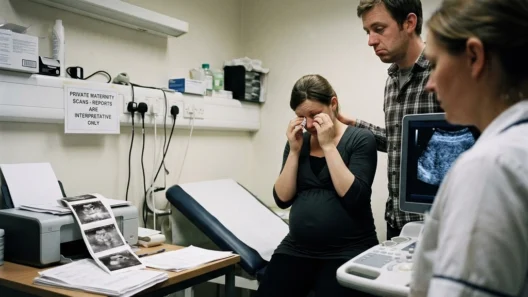
One of the most distressing elements of these revelations is the reported use of medical screenings. Many victims have described being sent for invasive health checks, which they now believe were used to ensure they were ‘clean’ for al Fayed. This level of organisation points to a systemic issue rather than isolated incidents. It suggests that departments within the business, such as security or human resources, may have been weaponised to facilitate abuse. By interviewing individuals under caution, the police are sending a clear message: being a ‘facilitator’ is a criminal offence, and the passage of time does not grant immunity.
Shifting the Focus to Human Trafficking
The decision to investigate these claims through the lens of human trafficking is a strategic move by the Metropolitan Police. Traditionally, sexual assault cases are difficult to prosecute when the primary offender is deceased. However, human trafficking laws in the UK allow for a broader investigation into the movement and exploitation of individuals. This includes the recruitment, transportation, and harbouring of people for the purpose of exploitation. If staff were moved between properties or brought into specific roles under false pretences to be abused, it fits the legal definition of trafficking.
By framing the case this way, investigators can examine the roles of those who organised travel, managed schedules, and oversaw the ‘medical’ requirements. This approach is essential for the 154 victims currently seeking justice. Many of these women have carried these untold stories for years, often fearing that their voices would never be heard because of al Fayed’s immense wealth and influence. The trafficking angle provides a pathway to hold the living accountable for the roles they played in a wider criminal enterprise.
This legal shift also highlights the changing nature of how we view corporate complicity in the UK. It is no longer enough for a company to simply say they were unaware of a CEO’s personal conduct. If the company’s resources and staff were used to enable that conduct, the legal repercussions are severe. The ongoing police work is meticulously piecing together the timeline of how women were brought into al Fayed’s orbit, ensuring that the full scope of the operation is understood. It is a slow process, but for the survivors, it represents the first real sign that the system is finally working in their favour.
Seeking Justice in a Posthumous Landscape
The pursuit of justice in the Al Fayed case is complicated by the fact that the man at the centre of it is gone. However, for the survivors, justice isn’t just about a single conviction; it’s about the truth being officially recorded and those who aided the abuse facing the consequences. The Metropolitan Police have been clear that they are committed to providing a voice to the victims. This commitment is vital for maintaining trust in independent news uk reporting, as it shows that even the most powerful figures are not beyond the reach of the law, even retrospectively.
The search for justice for the 154 victims is also about changing the culture within major UK corporations. Harrods has since issued apologies and set up compensation schemes, acknowledging that the victims were failed by the institution. But compensation is only one part of the puzzle. The criminal investigation into the facilitators is what will ultimately provide a sense of closure. Knowing that the people who stood by: or worse, helped: are being questioned under caution provides a level of validation that these women have been denied for decades.
As more women come forward, the narrative continues to evolve. What began as a series of allegations has turned into one of the most significant investigations into institutionalised abuse in British history. The focus on the three women recently questioned is likely just the beginning. Investigators are reportedly looking through thousands of documents and interviewing former staff members to build a comprehensive picture of the environment at Harrods during al Fayed’s tenure. The goal is to ensure that the untold stories of the past are never repeated in the future.
The Al Fayed case serves as a stark reminder of the importance of vigilance and the need for robust whistleblowing protections. While the legal process will take time, the momentum is currently with the survivors. The shift toward trafficking charges and the active questioning of associates represent a new chapter in this long and painful story. For the 154 victims, and the many others who have yet to formally join the police report, the focus remains on the truth. The investigation continues to peel back the layers of a system that failed so many, proving that while justice can be delayed, it cannot be ignored forever.
In the coming months, we can expect further updates as the Metropolitan Police conclude their interviews and decide on potential charges. The eyes of the public remain on the case, not just for the sensational details of a billionaire’s life, but for the fundamental question of how we protect the vulnerable from those in positions of absolute power. The revelations emerging now are a testament to the bravery of the women who spoke up and the investigators determined to follow the evidence wherever it leads. This is a defining moment for the UK legal system and a crucial step toward healing for the hundreds of women impacted by these events.