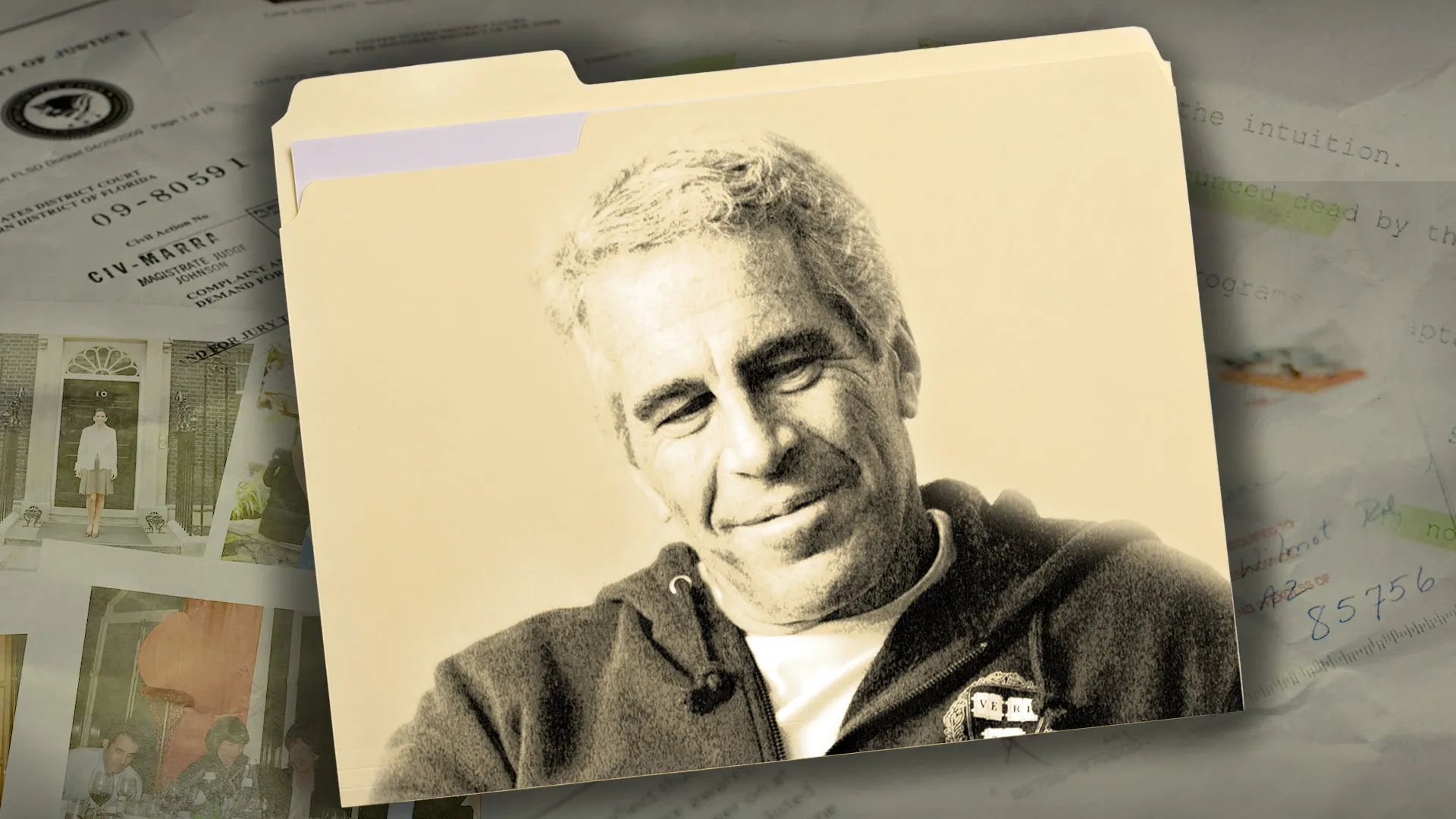
The saga of the Jeffrey Epstein documents has long been a focal point for those seeking transparency in high-level legal cases. While global headlines often pivot toward the most recognisable public figures, the true depth of the network is often found in the smaller, less-discussed details buried within thousands of pages of court filings. As we move through 2026, the ongoing release of these documents continues to shed light on individuals who operated within the inner circle of the disgraced financier, providing a clearer picture of how such an extensive operation was maintained for decades.
In the world of independent news UK, the focus is frequently on the narrative that traditional outlets might overlook. These untold stories are essential for a public that demands accountability and a comprehensive understanding of the systems that allow such abuse to persist. The latest batch of unsealed files does not just confirm what we already suspected about the powerful; it introduces us to the names of the facilitators, the employees, and the international associates whose roles were pivotal, yet who managed to remain in the shadows until now.
Understanding these files requires looking past the sensationalism and into the logistical reality of Epstein’s life. It is about the people who managed his estates, those who handled his schedules, and the professionals who provided a veneer of legitimacy to his activities. By breaking down the latest document release, we can begin to see the architecture of the Epstein network and the persistent efforts by legal teams and victims alike to ensure the full truth is finally revealed to the world.
The Staff and Associates Behind the Daily Operations
The functioning of a multi-million-pound estate requires a significant number of staff, many of whom were privy to the movements and guests of Jeffrey Epstein. Among the names appearing frequently in the unsealed files are Juan Alessi and Alfredo Rodriguez. Alessi served as the longtime manager of Epstein’s Palm Beach estate, while Rodriguez was the former butler. Their testimonies are crucial because they provide an eye-witness account of the daily routines and the frequent visitors who passed through the doors of the Florida mansion. Rodriguez, in particular, was known to have kept meticulous notes, some of which formed the basis of what would later be known as the “little black book”.
Another name that has resurfaced with significant weight is Sarah Kellen. Formerly an employee within the Epstein household, Kellen’s role has been a subject of intense legal scrutiny. While she was identified by victims as a key figure in scheduling appointments and managing the logistics of Epstein’s social circle, her own legal standing has been complex. Kellen has previously stated that she herself was sexually and psychologically abused by Epstein, highlighting the complicated dynamic of power and coercion that often exists in such environments. Similar themes of facilitation and the grooming process are explored in our report on Scarlett’s silence and active grooming gangs, which examines how these patterns of behaviour manifest in different contexts.
Beyond the domestic staff, the files also point toward the administrative and financial pillars of the operation. Lesley Groff, who served as Epstein’s long-term assistant, accountant Richard Kahn, and lawyer Darren Indyke are names that appear with regularity. These individuals were responsible for the movement of funds, the legal structuring of Epstein’s assets, and the high-level coordination required to maintain his lifestyle across several continents. Their inclusion in the files underscores the fact that the Epstein case is not just about the actions of one man, but about the professional infrastructure that surrounded him.
International Political Fallout and the Modeling World
As the investigation into the Epstein files progressed into early 2026, the reach of the network became increasingly international. The latest documents have contributed to the launch of criminal investigations against high-ranking figures across Europe. Thorbjørn Jagland, a former Prime Minister of Norway, has faced charges of aggravated corruption related to his ties with Epstein. This development sent shockwaves through the Scandinavian political landscape, proving that the implications of the Epstein documents are far from confined to the United States.
In the United Kingdom, the scrutiny remains intense. The files have continued to mention figures like Peter Mandelson, alongside the ongoing public discourse surrounding Andrew Mountbatten-Windsor. For those following independent news UK, these details are more than just gossip; they represent a fundamental question about the ethical standards expected of those in public office. The pursuit of these untold stories is vital to ensuring that no one, regardless of their status or political standing, is above the law. We have frequently seen how long-term mysteries can impact a community, such as the Suzy Lamplugh disappearance, which has haunted the UK for four decades without a clear resolution.
The files also delve into the world of high fashion and modeling, specifically highlighting the role of Jean-Luc Brunel. A once-prominent modeling agent and close friend of Epstein, Brunel was investigated for his alleged role in procuring young women and girls for the network. Although Brunel was found dead in a French jail in 2022, the documents released since then have provided further context regarding his interactions with Epstein. This facet of the story illustrates how the network exploited industries where young, vulnerable individuals were often seeking professional opportunities, only to find themselves trapped in a web of exploitation.
The Ongoing Search for the Complete Narrative
Despite the thousands of pages already released, the quest for the full truth remains ongoing. A significant portion of the documents focuses on the “J. Does”: a list of individuals numbered from J. Doe #3 to J. Doe #187. While many of these names have been unsealed, a select few remain under redaction. The legal reasoning for this is often to protect the privacy of minors or sexual assault victims who have not come forward publicly. However, the tension between the right to privacy and the public’s right to know remains a central theme of the legal battles currently playing out in the courts.
The process of unsealing these files is a slow and methodical one, governed by strict editorial standards and ethics within the legal and journalistic communities. Each name that is revealed provides a new piece of the puzzle, but it also raises new questions. Why did it take so long for these names to surface? What were the systemic failures that allowed this network to operate for as long as it did? These are the questions that continue to drive the narrative in 2026.
As we look toward the future, the importance of maintaining a record of these proceedings cannot be overstated. The Epstein files serve as a reminder of the power of persistent legal action and the role of the public in demanding transparency. While the high-profile names will always grab the headlines, it is the names you haven’t heard: the assistants, the accountants, the international politicians, and the “J. Does”: that often hold the key to understanding the full extent of the untold stories within this case. The commitment to uncovering these details is not just about looking into the past; it is about ensuring that the lessons learned from this dark chapter of history lead to a more accountable and transparent future for everyone.
The narrative surrounding the Jeffrey Epstein files is far from over. With every document release, the public is granted a deeper look into a world that was intentionally kept hidden for years. As more individuals are held accountable and more stories come to light, the pursuit of justice continues. The dedication of independent news UK outlets to providing a platform for these revelations ensures that the quest for truth remains at the forefront of the public consciousness.