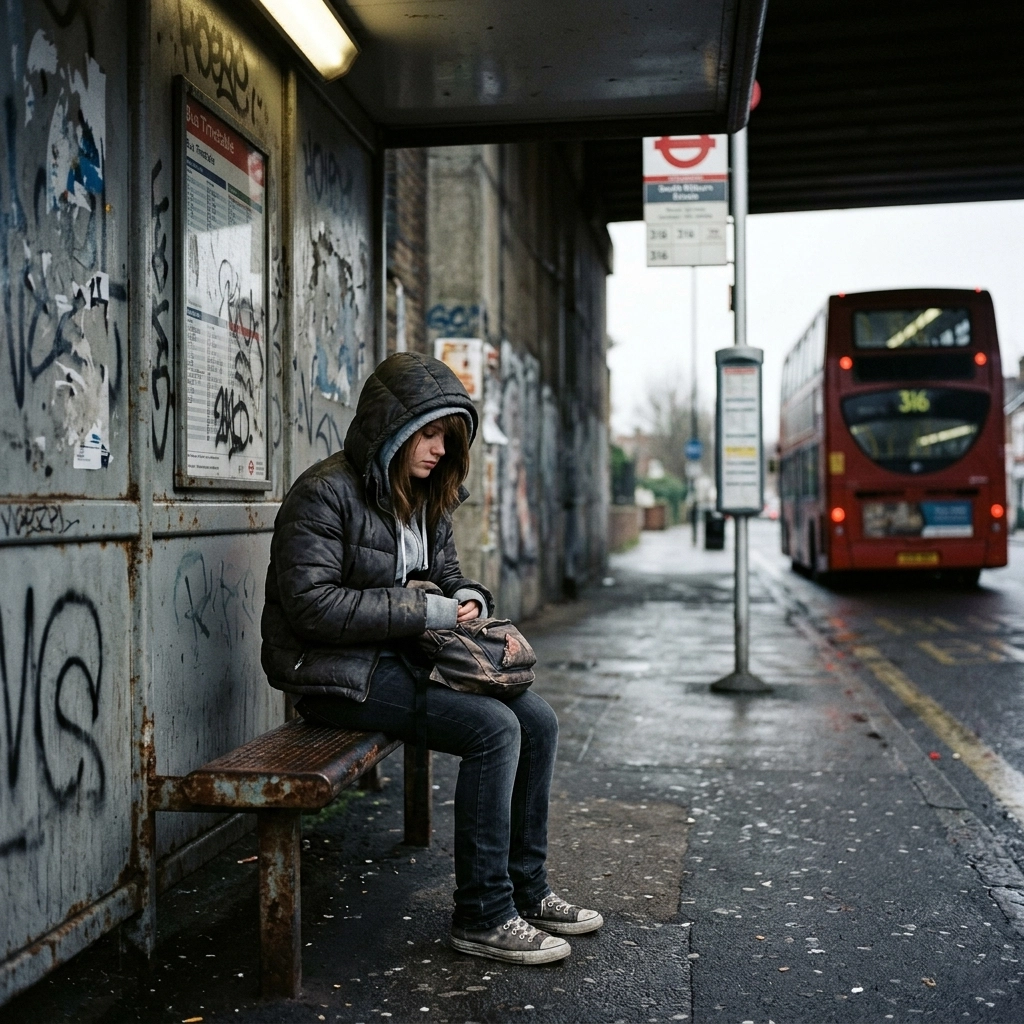
For a long time, the public image of county lines drug trafficking has been fairly consistent. We often think of young boys in tracksuits, hanging around train stations or street corners in rural towns, far from their homes in major cities. This narrative is backed up by years of police reports and media coverage focusing on male gang members. However, there is a much quieter, more insidious side to this criminal network that is frequently overlooked. As part of our ongoing commitment to investigative journalism UK, we are uncovering the reality of the girls and young women who have become the invisible backbone of these operations.
While the "roadman" stereotype persists, the number of girls involved in county lines is rising. These are the untold stories of children who are not just being exploited, but are often being hidden in plain sight because our societal expectations of what a "criminal" looks like do not include them. This gendered blind spot is exactly what organised crime groups are currently exploiting, using girls to bypass police suspicion and transport illicit goods across the country.
Understanding the shift in recruitment tactics is essential. Gangs are no longer just looking for the toughest kids on the estate; they are looking for the most "useful" ones. In many cases, girls are considered more useful precisely because they are less likely to be stopped, searched, or even noticed by authorities.
The Deceptive Reality of the Boyfriend Model
One of the most disturbing trends in modern exploitation is the "boyfriend model." This isn't about the traditional image of a gang leader demanding loyalty through fear; it is far more manipulative. Recruitment often begins with what looks like a normal romantic relationship. A girl is targeted by an older male who offers affection, gifts, and a sense of belonging. Over weeks or months, the relationship shifts from romantic to coercive.
In this model, the girl doesn't see herself as a drug runner or a victim of modern slavery. She sees herself as a girlfriend helping out her partner. She might be asked to "hold onto something" for him or to take a train journey to deliver a package. Because there is a perceived emotional connection, she is far less likely to report the activity to the police or seek help from social services. This emotional entanglement makes the exploitation incredibly difficult to untangle.
The boyfriend model often leads to "cuckooing," where a girl is used to gain access to a property or is sent to stay in a "trap house" to manage the local trade. If you want to understand the broader context of these operations, you can read more inside the UK's massive county lines crackdown. In many of these cases, the girls involved are not just witnesses; they are being subjected to sexual exploitation alongside the criminal demands placed upon them. The lines between grooming, domestic abuse, and drug trafficking become so blurred that the victim herself may not realise the danger she is in until it is too late.
A Gendered Gap in the Justice System
The reason these girls remain "forgotten" is often down to how our legal and social systems categorise behaviour. There is a profound gendered view of crime in the UK. When a boy is caught with drugs or a weapon, he is often immediately identified as being part of a gang. When a girl is found in a similar situation, the response is frequently different. She might be viewed as a "troubled" teenager, a runaway, or someone who has simply made poor choices in partners.
This lack of recognition means that girls are significantly less likely to be referred to the National Referral Mechanism (NRM), which is the UK’s framework for identifying victims of modern slavery. Without this formal recognition, they don't get the specialist support they need. Instead of being seen as victims of exploitation, they are often processed through the lens of social care or, worse, criminalised for their involvement in the very activities they were forced into.
Independent news UK sources have highlighted that the "professional curiosity" required to spot these victims is often lacking. Police and social workers are trained to look for specific signs of gang involvement, many of which are tailored to male behaviour. A girl who is well-dressed, attending school, and appearing "normal" can easily fly under the radar, even if she is carrying thousands of pounds worth of Class A drugs in her school bag. This invisibility is a strategic advantage for gangs. It allows them to move products with a lower risk of seizure, contributing to the rising tensions in UK communities as local drug markets are flooded with supply.
Furthermore, the trauma experienced by these girls is unique. They often face "double jeopardy": the threat of violence from the gang if they fail, and the threat of being shunned by their families or communities if their involvement becomes known. The shame associated with the sexual exploitation that frequently accompanies their criminal work acts as a powerful silencer.
Breaking the Cycle of Invisible Exploitation
To truly address the issue of county lines, we have to stop looking for a one-size-fits-all victim. The reality is far more complex. We need to move away from the idea that gang involvement is a choice made by "bad" kids and start seeing it as a sophisticated form of child abuse that targets the most vulnerable members of society regardless of gender.
Education is a vital part of the solution. Schools and youth workers need to be trained specifically on the boyfriend model and the signs of emotional grooming. It isn't just about looking for someone with a new phone or expensive trainers; it's about noticing changes in behaviour, withdrawal from regular friendship groups, and the presence of older "boyfriends" who seem to exert a strange level of control.
There is also a desperate need for gender-specific support services. Many of the current interventions designed to help young people leave gangs are male-centric. They focus on exit strategies that involve moving away from a specific area or breaking ties with a group of "brothers." For a girl whose primary tie to the gang is a romantic or emotional one, these strategies are often ineffective. She needs support that addresses the trauma of her relationship, her self-esteem, and the specific risks she faces as a female victim in a male-dominated criminal underworld.
The forgotten girls of county lines deserve more than just to be a footnote in a police report. They are victims of a system that has failed to see them, and a criminal network that has found a way to profit from their invisibility. By bringing these untold stories to light, we can begin to shift the focus and ensure that the next generation of girls is not lost to the same cycle of exploitation.
The challenge ahead is significant. As gangs become more tech-savvy and adaptable, the methods of exploitation will continue to evolve. We have already seen how technology plays a role in other areas of criminal activity, such as drone wars and gangs smuggling weapons into UK prisons. The same level of innovation is being applied to how girls are recruited and managed through social media and encrypted messaging apps.
A collective effort is required from the government, law enforcement, and the public to recognise these patterns. We must challenge our own preconceptions about what exploitation looks like and ensure that every child, regardless of gender, is protected from the predatory reach of organised crime. Only then can we hope to dismantle the structures that allow county lines to thrive at the expense of our young people.
In summary, the rise of girls in county lines is a pressing issue that demands a tailored response. The use of emotional manipulation and the systemic failure to recognise female victims have created a dangerous environment where exploitation goes unchecked. By focusing on the specific tactics used to target girls and addressing the gaps in the justice system, it is possible to provide a better safety net for those at risk. Acknowledging these hidden victims is the first step toward a more effective and inclusive approach to tackling organised crime in the UK.