The landscape of the British playground is shifting in a way that many parents and teachers are only just beginning to grasp. While previous generations might have worried about a hidden pack of cigarettes or a bottle of cheap cider behind the bike sheds, today’s reality is significantly more clinical and considerably more dangerous. Ketamine, a powerful anaesthetic usually reserved for medical or veterinary use, has found its way into the hands of children as young as ten. This isn't just a fringe issue; it is a burgeoning public health crisis that is being fuelled by the very devices we give our children to keep them safe and connected.
As an outlet for independent news uk, we believe in shedding light on the untold stories that traditional narratives often overlook. The rise of ketamine use among minors isn't just a story about drug abuse; it is a story about digital accessibility, the failure of regulation, and a generation of young people who are risking their long-term health for the price of a takeaway meal. In parts of the country, particularly across the Northwest, the prevalence of this drug has reached levels that authorities describe as overwhelming.
The Digital Dealer in Your Pocket
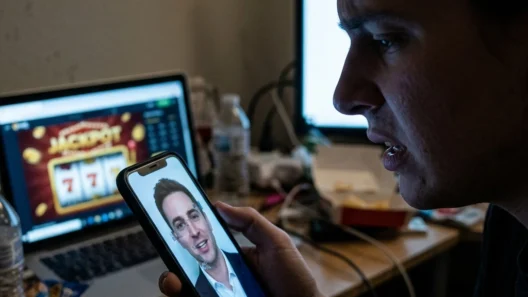
The days of the hooded figure lurking on a street corner are largely a thing of the past. Today, the dealer lives inside a smartphone. For a ten or eleven-year-old, accessing illegal substances is now as intuitive as ordering a pizza or watching a viral video. Platforms like Snapchat, Telegram, and WhatsApp have become the primary marketplaces for ketamine distribution. These apps offer a level of encryption and ephemeral messaging that makes it incredibly difficult for parents and even the police to track transactions.
Dealers are using sophisticated marketing tactics that mirror legitimate retail strategies. They use bright emojis, catchy slogans, and 'menu' layouts to showcase their products. Because these platforms are built for social interaction, the line between a friend and a supplier often becomes blurred. A child might see a post on a "story" or a "status" offering "K" and reach out out of curiosity or peer pressure. The ease of access means that the barrier to entry for drug use has never been lower.
This digital shift has completely bypassed the traditional safeguards of the community. When a transaction happens via an encrypted message and a quick hand-off in a park, often coordinated via GPS pins, it becomes almost invisible to the adult world. This is one of the many untold stories of the digital age: how the convenience of the modern world has been weaponised against its youngest members.
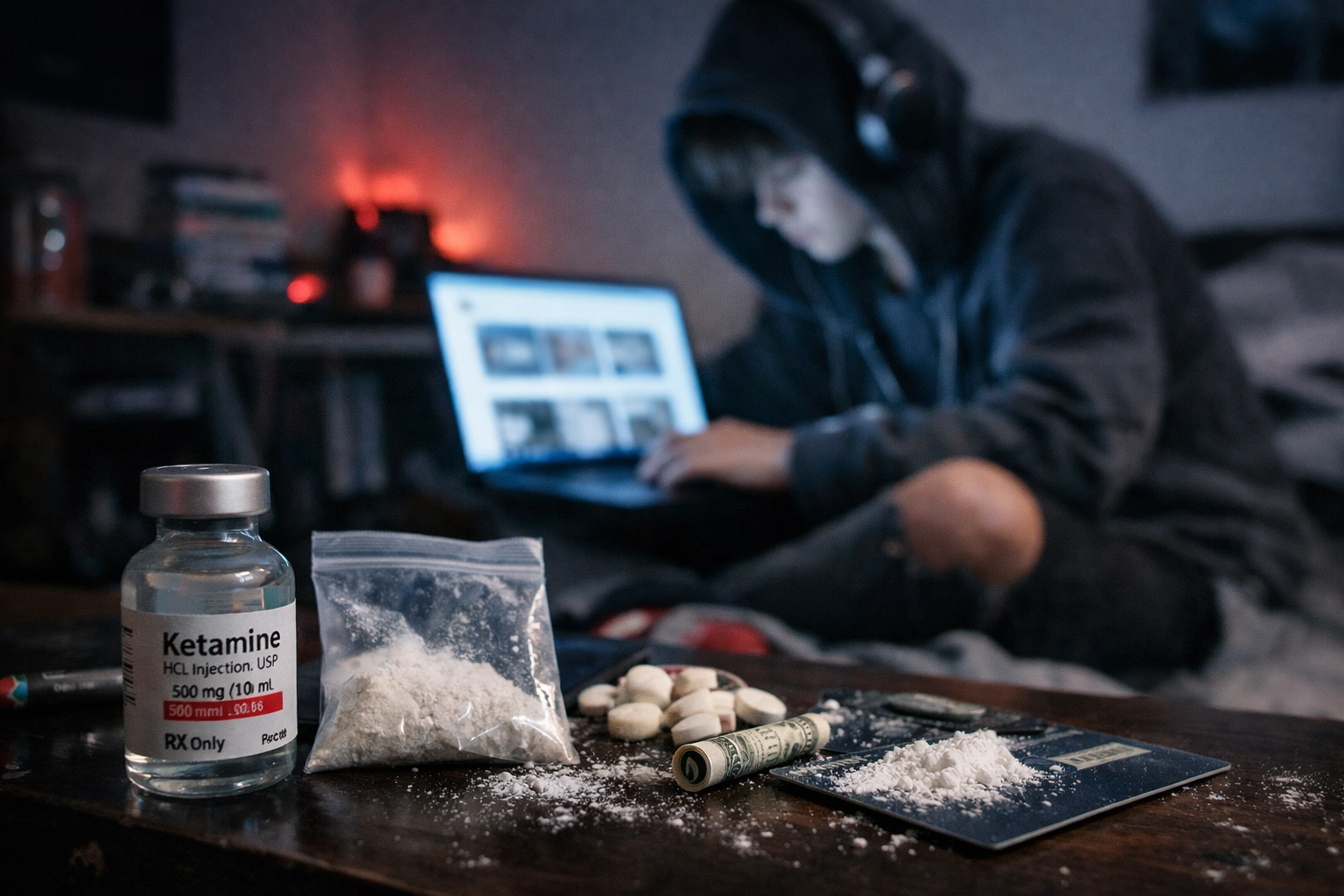
The affordability of ketamine is perhaps the most shocking aspect of this crisis. In many UK towns, a gram of ketamine can be bought for as little as £20, but it is often sold in much smaller "bumps" for just a few pounds. It has become common for groups of primary and secondary school children to pool their pocket money to buy a small amount to share. When a drug is cheaper than a cinema ticket or a new video game, it stops being a "luxury" vice and starts being a casual, everyday commodity. Police and youth workers have noted that it is now "as easy to get as a packet of crisps and a can of pop."
Cheap Prices and Life-Changing Consequences
While the price point might be low, the physical cost is devastatingly high. Ketamine is a dissociative anaesthetic, meaning it cuts off the brain's perception of pain and the environment. For a child whose brain and body are still developing, the impact is catastrophic. One of the most severe side effects of prolonged use is "ketamine bladder," a condition where the drug causes the lining of the bladder to become inflamed and eventually scarred and shrunken.
In Cheshire and Greater Manchester, urology nurses are reporting an influx of patients who haven't even sat their GCSEs yet but are suffering from irreversible bladder damage. Some children as young as 11 or 12 are requiring serious medical intervention, including the possibility of having their bladders removed and replaced with a bag. This isn't just a temporary illness; it is a life-changing disability. Medical professionals have warned that for heavy users in this age bracket, life expectancy could be reduced by as much as 30 years due to the strain on the kidneys and other vital organs.
The tragedy of this situation is compounded by the lack of awareness. Many young people believe that because ketamine is used in hospitals, it must be "safer" than drugs like heroin or cocaine. They don't realise that the pharmaceutical-grade ketamine used by doctors is vastly different from the illicit powder sold on the street, which is often "cut" with other dangerous chemicals to increase profit margins. The "K-hole", a state of intense dissociation where the user cannot move or communicate, is often marketed as a fun or spiritual experience, but for a ten-year-old, it is a state of profound vulnerability.
This crisis highlights a broader issue of how we protect children in an increasingly unregulated digital world. Similar themes can be seen in wider cases where vulnerable young people are left behind when the institutions meant to protect them fail to adapt to new threats. The ketamine crisis is the latest chapter in this ongoing struggle, where the speed of technological change is outstripping our ability to provide a safety net.
A System Under Pressure
The police are finding themselves in a game of cat and mouse that they are currently losing.
While raids and arrests of major suppliers do occur, the decentralised nature of social media dealing makes it nearly impossible to "shut down" the market. When one Telegram channel is closed, three more pop up in its place. Officers have noted that the dealers themselves are often shockingly young, arrests of 13 and 14-year-olds for possession with intent to supply are becoming increasingly common. These are children being exploited by gangs to carry the risk, knowing that their age may lead to more lenient sentencing.
Schools are also on the front lines, but they are often ill-equipped to handle the medical and psychological complexities of ketamine addiction. Teachers are seeing the signs, drowsiness, sudden drops in academic performance, and frequent trips to the toilet, but the stigma surrounding drug use often prevents families from seeking help until the physical damage is already done. Education is key, but it needs to move beyond the "just say no" rhetoric of the 1980s. It needs to address the reality of digital marketplaces and the specific physical risks that ketamine poses to young bodies.
As a platform dedicated to providing independent news uk, NowPWR is committed to following these developments closely. We believe that by highlighting these untold stories, we can encourage a more honest conversation about drug policy, social media regulation, and youth mental health. This isn't just a police matter; it’s a societal one that requires input from healthcare providers, tech companies, and community leaders.
The current trajectory is unsustainable. If we do not address the ease with which Class B drugs are being marketed to children online, we are looking at a future where a significant portion of a generation faces chronic health problems before they even reach adulthood.
The ketamine crisis serves as a stark reminder that the digital world is not a bubble. The interactions that happen on a screen have real-world, physical, and often permanent consequences. Protecting the next generation requires us to look directly at the uncomfortable truths of the modern drug trade and demand better safeguards from the platforms that facilitate it.
The situation across the UK remains critical, with local authorities and health boards calling for more resources to tackle both the supply and the long-term medical fallout of ketamine use. As we continue to investigate these issues, the focus must remain on the victims: children who, in many cases, did not understand the gravity of the "packet" they were buying with their pocket money. The path forward requires a combination of stricter digital regulation, targeted healthcare support, and a collective effort to de-normalise the use of such potent substances in youth culture.