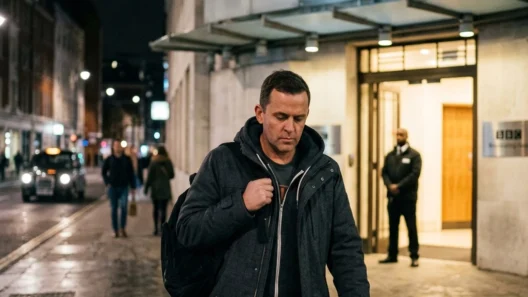
The digital world has always been a bit of a Wild West, but lately, the outlaws have traded their six-shooters for sophisticated algorithms. We have entered an era where "seeing is believing" no longer holds much water. If you have spent any time scrolling through social media recently, you might have come across videos of familiar journalists or presenters endorsing a "guaranteed win" gambling app. They look real, they sound real, and they are using the authority of trusted newsrooms to lead people into a trap. This is the reality of AI-generated deepfakes in the world of illegal gambling scams, and it is a problem that is growing faster than most of us can keep up with.
This isn't just about a few grainy videos anymore. The technology has evolved to a point where scammers can clone a human voice with just a few seconds of audio. By pairing these voices with manipulated video footage, they create a convincing façade that can trick even the most tech-savvy users. These scams are specifically designed to bypass our natural scepticism by using the faces and voices of people we have invited into our living rooms for years. It is a calculated move that exploits the trust built by independent news uk organisations and uses it to fuel a multi-million-pound illegal industry.
The Mechanics of the Deepfake Hustle
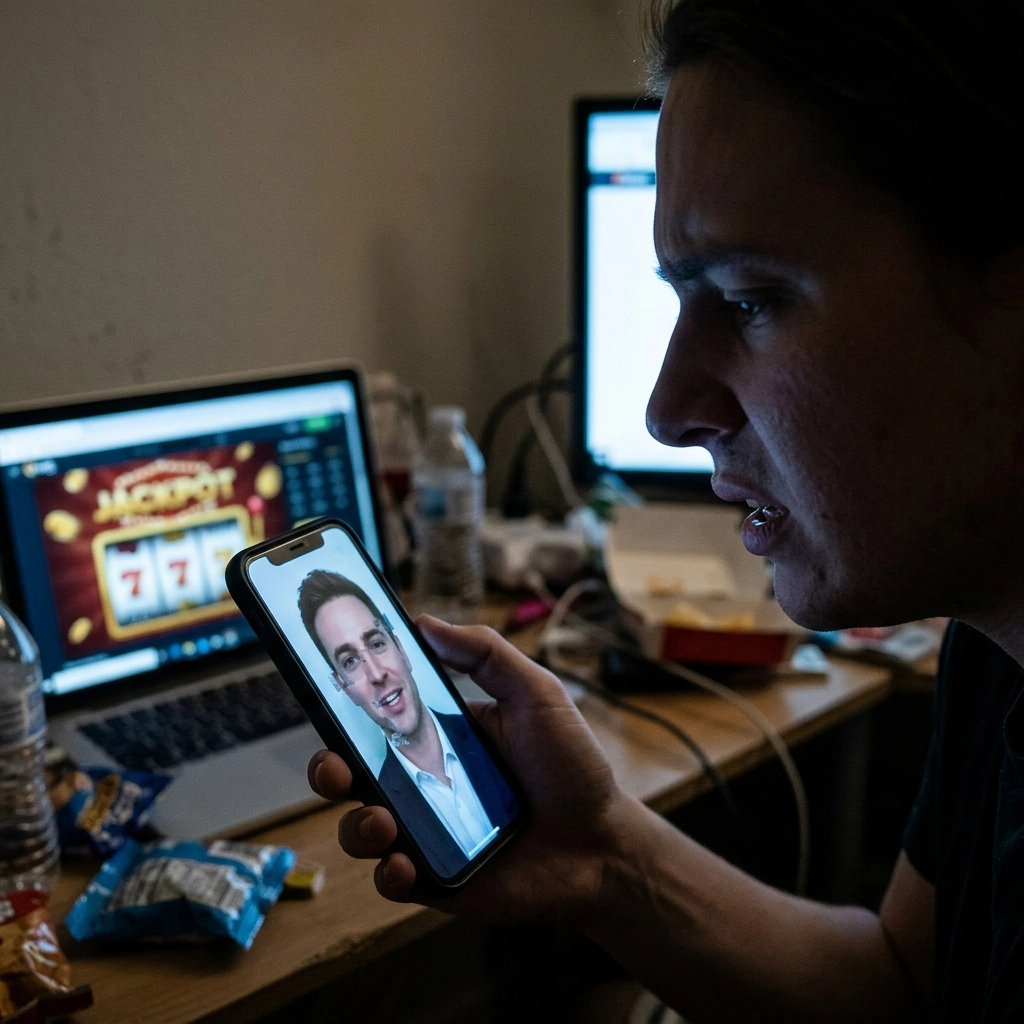
To understand how to protect ourselves, we first have to look under the bonnet of how these scams actually operate. It usually starts on social media platforms like Facebook, Instagram, or TikTok. Scammers buy targeted ad space to display videos that look like breaking news segments. In these clips, a well-known newsreader appears to be reporting on a "loophole" in a new gaming app that is supposedly making thousands of people rich overnight. The sync between the lips and the audio is often near-perfect, thanks to advanced generative AI tools that have become incredibly accessible over the last year.
The trickery doesn't stop at the video. The journey often leads to a sophisticated "Trojan Horse" app. This is perhaps the most devious part of the entire operation. Scammers create simple, innocent-looking mobile games: think basic puzzle games or clones of classic arcade titles. These apps are submitted to major app stores under the names of shell companies or fake marketing firms. Because the apps appear harmless during the initial review process, they get approved and listed. However, once the app is installed on a user's phone, the scammers can remotely trigger an update or change the app’s internal logic. Suddenly, that puzzle game transforms into an unlicensed, illegal casino interface.
This bait-and-switch allows illegal gambling platforms to bypass the strict regulations and vetting processes that legitimate betting companies have to follow. By the time the app stores realise what has happened and pull the app, thousands of people may have already deposited their hard-earned money. These platforms operate entirely outside the law, meaning there is no safety net for the users. There are no "know your customer" (KYC) checks, no responsible gambling tools, and, most importantly, no guarantee that you will ever see your money again, even if you "win" on the screen.
The Human Cost and the Untold Stories of Victims
While it is easy to talk about the technology and the logistics, we shouldn't lose sight of the people caught in the middle. Behind every successful scam are untold stories of individuals who have lost significant sums of money, often money they couldn't afford to lose. Because these deepfakes use the credibility of professional journalists, the victims aren't just people looking for a quick buck; they are often everyday citizens who genuinely believe they are following a legitimate news recommendation.
One of the most heart-breaking aspects of these scams is the lack of consumer protection. When you use a licensed gambling platform in the UK, you are protected by a framework of laws that ensure fairness and the security of your funds. If something goes wrong, you have a path to recourse. With these deepfake-promoted scams, that path doesn't exist. Once the money is sent via a credit card or, more commonly, cryptocurrency, it is effectively gone. The scammers often operate from jurisdictions that are nearly impossible for UK authorities to reach, leaving victims with a sense of helplessness.
Furthermore, the data security risks are enormous. These illegal apps aren't just after your initial deposit. They are harvesting your personal information: your name, address, date of birth, and banking details. This information is frequently sold on the dark web or used for further identity theft. The psychological impact is also profound. Victims often feel a sense of embarrassment or shame, which prevents them from reporting the crime. This silence is exactly what the scammers rely on to keep their operations running. By sharing these untold stories and bringing the reality of these scams to light, we can begin to break the cycle of stigma and help others avoid falling into the same trap.
Spotting the Red Flags in a Digital Age
As the technology continues to improve, the burden of verification is increasingly falling on the individual. However, there are still plenty of red flags that can help you distinguish between a legitimate news report and a deepfake scam. The first thing to consider is the source. Independent news uk outlets and reputable broadcasters will almost never use their platforms to endorse specific gambling apps or "get rich quick" schemes. If a news anchor is telling you to download an app to find a loophole in a casino, it is a scam. It is as simple as that.
Another thing to look for is the quality of the video itself. While deepfakes are getting better, they often struggle with natural movements. Watch the person’s eyes: do they blink naturally? Look at the edges of their face and mouth: is there any blurring or digital "ghosting" when they speak? Often, the audio might sound slightly robotic or have an unnatural cadence, even if the voice itself sounds like the real person. You should also check the comments and the account posting the video. Scammers will often disable comments or fill them with bot-generated praise to create a false sense of legitimacy.
The most important rule is to stay informed and sceptical. If an offer seems too good to be true, it invariably is. Regulatory bodies like the National Crime Agency and the Gambling Commission are working hard to track these groups, and international cooperation is increasing to shut down the digital infrastructure these criminals use. In the meantime, the best defence is a healthy dose of digital literacy. By understanding that AI can now mimic human authority, we can train ourselves to look past the familiar faces and see the underlying scam for what it really is. Protecting your digital life starts with questioning the things you see on your screen, no matter how convincing they might appear.
The rise of AI deepfakes is a significant challenge for the integrity of our digital spaces. It weaponises the very things that make journalism valuable: trust, authority, and clarity: and turns them against the public. As we move further into 2026, the battle between those using AI for harm and those using it for good will only intensify. Staying vigilant and relying on verified information is the only way to ensure that these new digital masks don't lead us into financial or personal ruin. Truth still matters, but in the age of the deepfake, it requires a little more effort to find.