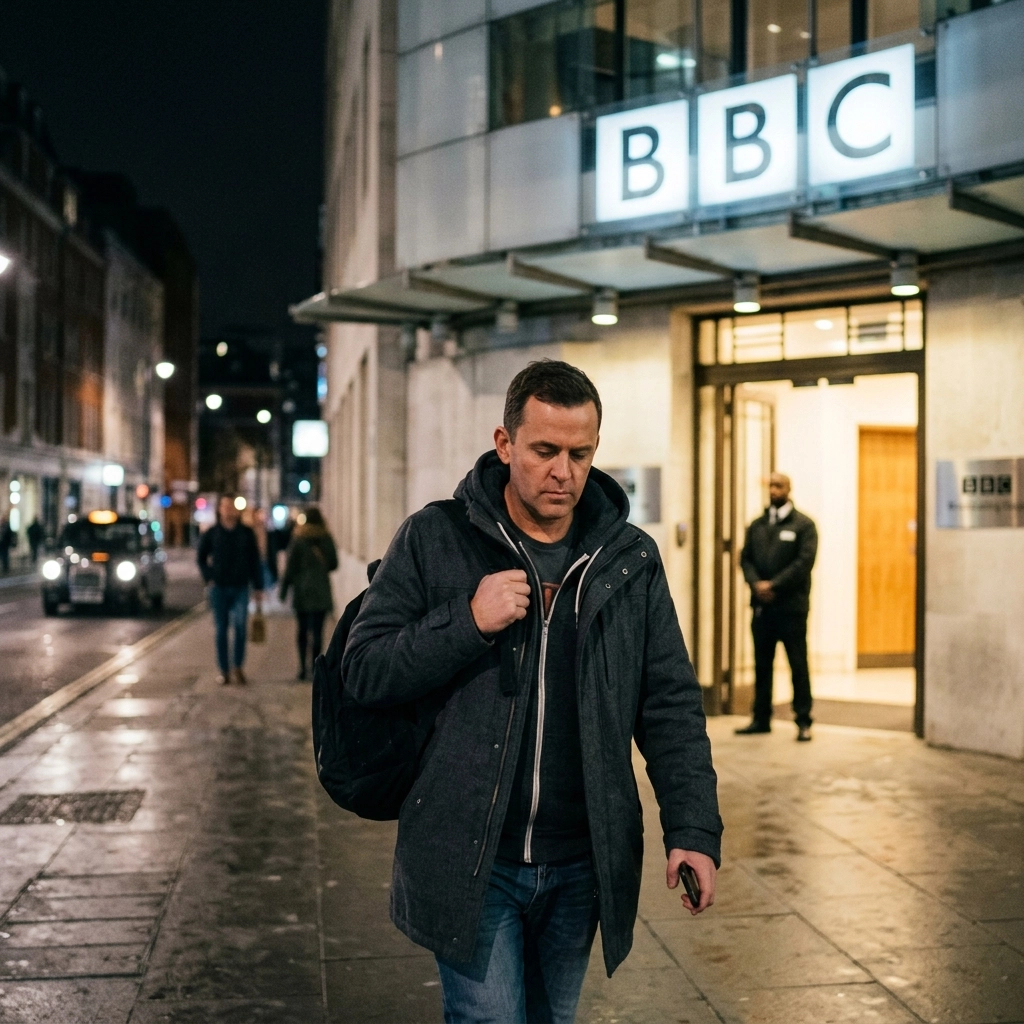
The landscape of British broadcasting has been shaken once again, and this time it involves one of the most recognisable voices on the airwaves. For decades, Scott Mills was a staple of the BBC, moving from the high energy of Radio 1 to the massive audience of the Radio 2 breakfast show. However, behind the cheery morning banter and the popular music sets, a much darker narrative was unfolding. As we look into the details of his dismissal, it becomes clear that this is not just a story about one individual’s conduct, but a significant look at how major institutions handle red flags. At NowPWR, we believe in bringing you the untold stories that often get lost in the noise of the 24-hour news cycle, providing a perspective that prioritises clarity and accountability.
For many listeners, the news of Mills' sacking came as a bolt from the blue. He was, by all accounts, at the peak of his career, hosting the UK’s biggest breakfast show. Yet, the allegations that led to his departure are deeply serious, involving improper sexual conduct with a minor. These claims are rooted in what has been described as a "historic relationship" between 1997 and 2000. During this period, Mills would have been in his mid-twenties, while the other individual involved was under the age of 16. While the legal system has its own processes, the court of public opinion and the internal standards of a national broadcaster operate on a different frequency.
The emergence of these details has sparked a wider conversation about the role of independent news uk in investigating the failures of established giants. It is often the smaller, more agile outlets that are able to ask the difficult questions that institutional players might prefer to avoid. In this case, the focus isn't just on what happened decades ago, but what was known much more recently and why action was delayed.
The Allegations and the Historical Context
The core of the current controversy stems from revelations about Mills’ personal conduct during the late nineties. The period between 1997 and 2000 was a formative time for Mills’ career, as he established himself as a rising star in the industry. However, the allegations suggest that during this same period, he was involved in an inappropriate sexual relationship with a boy under the age of 16. These claims, while historic, carry immense weight in the modern era, where the safeguarding of minors is: rightly: a paramount concern for any organisation.
It is important to note that this was not the first time Mills’ name had appeared in a legal context. He had previously been the subject of a police investigation regarding alleged sexual offences involving a minor. In that instance, the Crown Prosecution Service (CPS) ultimately decided not to proceed with charges. For the BBC, this prior history should have served as a marker for heightened vigilance. Instead, it seems to have been treated as a closed chapter, allowing Mills to continue his ascent through the ranks of the corporation.
The decision to sack Mills in 2026 was the culmination of these historic allegations finally catching up with the present day. When the BBC finally moved to terminate his contract, it was a move that many felt was long overdue. The delay in addressing these issues raises uncomfortable questions about the vetting processes for high-profile talent. When we explore untold stories like these, we often find a pattern of institutional inertia that protects the brand at the expense of potential victims.
A Failure to Act on Modern Warnings
Perhaps the most damaging aspect of this story for the BBC is the admission that they were warned about Mills nearly a year before he was finally dismissed. In May 2025, a former BBC presenter reached out to the corporation with specific information regarding inappropriate communications involving Mills. This wasn’t a vague rumour; it was a direct enquiry asking whether the broadcaster was aware of any formal or informal complaints relating to safeguarding, harassment, or inappropriate conduct.
The former presenter specifically asked if internal investigations had ever been conducted. Despite the gravity of the enquiry, she received no response. This silence is what many find most difficult to reconcile. In an era where "lessons learned" is a common corporate refrain, the failure to even acknowledge a safeguarding warning from a former colleague suggests a systemic breakdown in communication. The BBC has since acknowledged that this tip-off should have triggered an immediate and thorough investigation, including more rigorous questioning of the presenter in question.
This failure to follow up on a direct warning in 2025 allowed Mills to remain in his high-profile position for several more months. During this time, he continued to be the face (or rather, the voice) of the morning show, enjoying the prestige and influence that comes with such a role. An internal examination is now underway to determine exactly why the 2025 warning was ignored. For those following independent news uk, this internal review is a familiar trope: an attempt by an organisation to mark its own homework after a public relations disaster.
The Importance of Transparency in Media
The fallout from the Scott Mills case highlights the essential need for transparency within large media organisations. When a broadcaster is funded by the public, there is a higher level of expectation regarding the conduct of its staff and the integrity of its management. The BBC’s admission that it failed to properly investigate the 2025 warning is a significant blow to that trust. It suggests that, despite numerous past scandals, the internal mechanisms for handling safeguarding concerns may still be inadequate.
Safeguarding is not just about having a policy on paper; it is about the culture of the workplace. If employees or former staff feel that their concerns will be ignored or that high-profile talent is "untouchable," then the system is fundamentally broken. The Scott Mills story is a stark reminder that the glamour of the entertainment industry can often mask very real and very serious issues. By focusing on these untold stories, we aim to shed light on the areas where the system has failed, providing a platform for accountability that is often missing from mainstream narratives.
As we look toward the future of broadcasting, the lessons from this case must be taken seriously. It is not enough to react only when allegations become public; there must be a proactive approach to vetting and a culture where warnings are treated with the urgency they deserve. The media industry as a whole must reflect on how it handles power dynamics and whether it is doing enough to protect the vulnerable. Our commitment at NowPWR is to continue following these developments, ensuring that the facts remain at the forefront of the conversation.
The dismissal of Scott Mills marks the end of a long career, but the questions it leaves behind will likely persist for some time. Between the historic allegations from the late nineties and the missed warning in 2025, the BBC finds itself once again in a position of defending its internal culture. For the audience, the revelation that a trusted broadcaster was aware of potential issues and failed to act is a sobering thought. It reinforces the value of independent voices who are willing to look past the official statements and uncover the reality of the situation.
The BBC’s internal investigation into why the May 2025 warning was ignored will be a crucial step in determining what went wrong. However, for many, the damage to the corporation’s reputation has already been done. In the coming months, more details may emerge about what was known and when, as the internal examination proceeds. We will continue to monitor the situation closely, providing updates as more information becomes available. The pursuit of truth in these matters is essential for maintaining the integrity of our media institutions and ensuring that safeguarding is never again treated as an afterthought.