For years, we have been told that "greening" our homes is the ultimate win-win. It is supposed to lower carbon footprints, slash energy bills, and make our living spaces much more comfortable. Under the UK government’s Energy Company Obligation (ECO) scheme, thousands of households across the country were promised exactly that. However, for a growing number of residents, the dream of an energy-efficient home has curdled into a structural disaster.
Instead of warm lounges and dry bedrooms, upwards of 30,000 homes are now reportedly suffering from severe defects caused by botched installations. This isn't just a minor technical glitch; it is a full-blown housing crisis hidden behind the veil of environmental progress. As part of our commitment to bringing you independent news uk, we are looking into the untold stories of families living in properties that are literally rotting from the inside out because of the very upgrades meant to save them.
The ECO scheme was designed to force major energy suppliers to fund energy-saving measures in vulnerable or low-income households. On paper, it is a brilliant idea. In practice, the rush to hit targets and secure government-backed funding has led to a "cowboy" culture of corner-cutting. From poorly fitted external wall insulation to cavity wall fill that acts like a sponge, the fallout is becoming impossible to ignore.
When Energy Efficiency Becomes a Structural Disaster
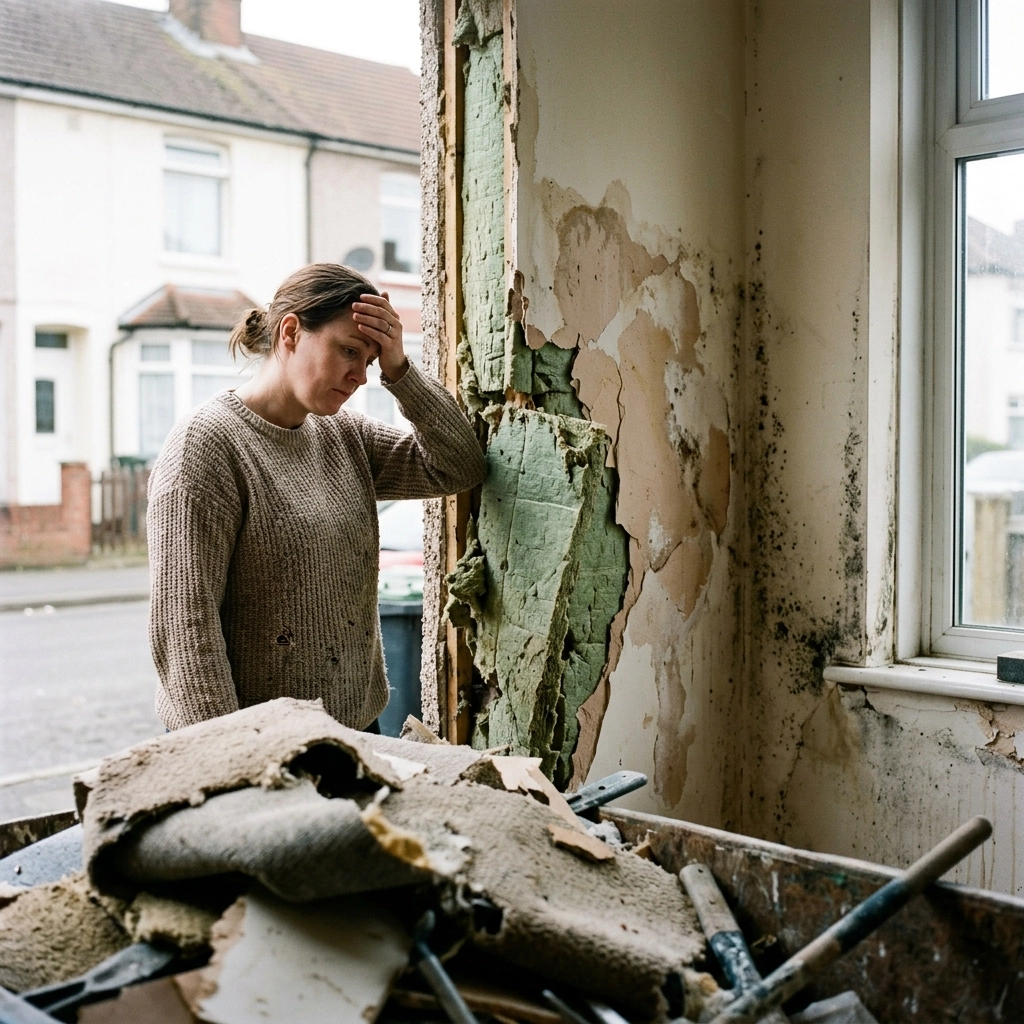
The primary culprit in most of these ECO nightmares is moisture. When you insulate a home, you are essentially changing the way the building "breathes." Traditional British housing stock, particularly older brick properties, was designed to allow a certain amount of airflow. When external wall insulation (EWI) or cavity wall insulation is installed incorrectly, it traps moisture between the layers of the building.
The technical failures are often compounded by a lack of proper pre-installation surveys. In many of the most harrowing cases, installers failed to check if the existing brickwork was suitable for insulation or if there were already underlying damp issues. Once the insulation is slapped on, any existing moisture is locked in, and any new rain that penetrates the outer leaf of the building has nowhere to go. This leads to what experts call "interstitial condensation": a silent killer for houses where moisture builds up within the walls themselves.
Research into green building failures shows that even high-end eco-homes aren't immune if the design is flawed. For example, some timber-constructed properties using advanced materials have suffered extensive rot because vapor control layers were missing or ventilation systems were inadequate. In the context of the ECO scheme, the problem is often even more basic. We are seeing reports of insulation being installed over vents, blocking the natural airflow required to keep a home healthy. The result is black mould spreading across nurseries and bedrooms, a sight that has become all too common for those who thought they were getting a free upgrade to their quality of life.
The Massive Scale of the ECO Scheme Fallout
The scale of this issue is staggering. While the official numbers are often hard to pin down, industry insiders and advocacy groups suggest that at least 30,000 homes across the UK are currently dealing with significant defects. These aren't just cosmetic issues; we are talking about structural damage that can devalue a property to nearly zero. When a home is saturated with water due to faulty cavity wall insulation, the wall ties can rust, the mortar can perish, and the internal plasterwork can literally fall off the walls.
What makes this even more frustrating for homeowners is the lack of accountability. Because the ECO scheme involves a complex web of energy companies, third-party contractors, and sub-contractors, finding someone to take responsibility is like trying to catch smoke. When a homeowner reports a problem, the energy company often points to the installer. If that installation company has since gone bust: which happens frequently in this volatile sector: the homeowner is left stranded.
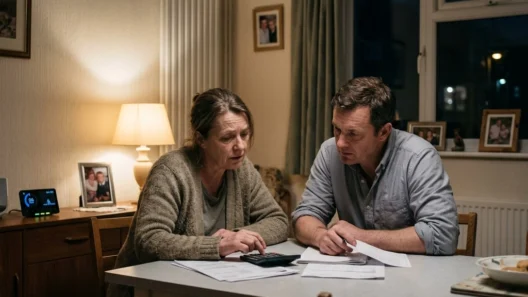
At NowPWR, we believe these untold stories deserve a spotlight. Many of the families affected are those who could least afford to deal with a housing crisis. They were targeted for the ECO scheme because they were in "fuel poverty," yet they now face repair bills reaching into the tens of thousands of pounds. This is the dark side of the green transition: a system that prioritises statistics and carbon points over the actual well-being of the people living inside the buildings.
The financial impact is compounded by the health risks. Living in a damp, mouldy environment is a well-documented cause of respiratory issues, particularly in children and the elderly. The irony is bitter: a scheme meant to make homes warmer and healthier has, in tens of thousands of cases, made them cold, wet, and dangerous.
Finding a Way Out of the Green Renovation Trap
So, where do we go from here? The first step is acknowledging that the "one-size-fits-all" approach to home insulation is a failure. Every building is a unique environment, and retrofitting requires a high level of expertise that many ECO-funded contractors simply didn't provide. There is a desperate need for tighter regulation and a more robust guarantee system that protects the consumer, not the energy giant.
Recent shifts in industry standards, such as the introduction of PAS 2035, aim to improve the quality of retrofits by requiring a "Retrofit Coordinator" to oversee projects. While this is a step in the right direction, it does little for the 30,000 households already living in ruins. For them, the priority is extraction: removing the faulty insulation and drying out the bones of their homes. This is a costly and invasive process that many are currently fighting to have funded by the original energy suppliers who commissioned the work.
Homeowners are also beginning to find strength in numbers. Support groups and collective legal actions are springing up, turning individual tragedies into a powerful voice for change. This is a crucial part of the climate conversation; we cannot reach Net Zero by sacrificing the integrity of our housing stock. True sustainability must include durability and human health, not just a lower number on a meter.
For anyone considering green upgrades, the lesson is clear: independent research and professional, third-party surveys are essential. Don't simply trust a glossy brochure or a government-backed logo. The "ECO Nightmare" serves as a cautionary tale of what happens when environmental policy is disconnected from the realities of construction and engineering.
The situation surrounding the ECO scheme defects remains a significant challenge for UK housing policy. As thousands of homeowners continue to battle for repairs and recognition, the need for transparent, independent news uk coverage has never been greater. The transition to a greener economy is necessary, but it must be handled with the care and competence that homeowners deserve. Ensuring that green upgrades do not leave homes in ruin is not just a technical requirement; it is a moral one. Until the systemic issues of accountability and installation quality are addressed, the promise of the ECO scheme will remain, for many, a very wet and expensive nightmare.