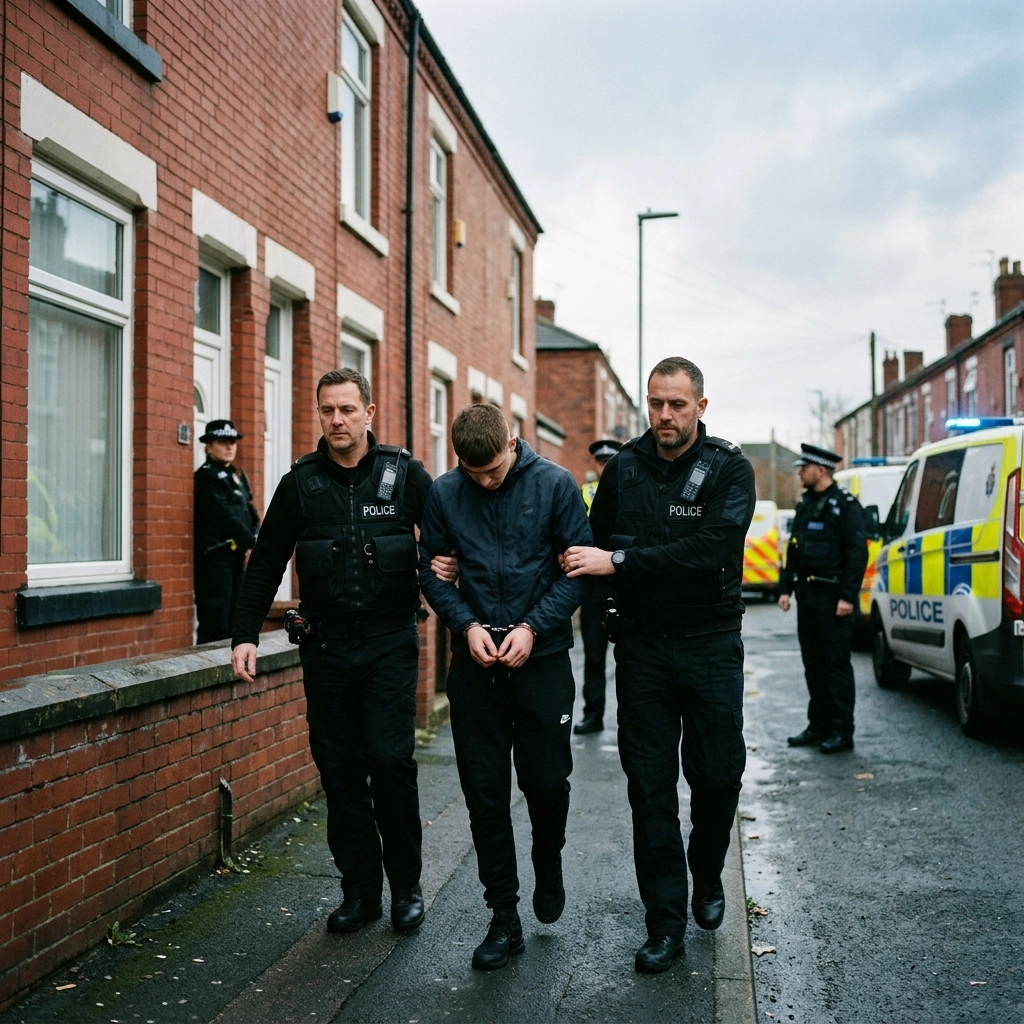
The streets across the UK have seen some serious action lately. In a massive, coordinated effort that spread from the tip of Scotland down to the Cornish coast, police forces have just completed one of the largest crackdowns on county lines drug trafficking in recent history. This wasn’t just a few local officers knocking on doors; it was a full-scale national "intensification week" that resulted in more than 2,000 arrests and the dismantling of hundreds of criminal networks. For those of us following the untold stories of our communities, this operation marks a pivotal moment in the fight against organised crime and the exploitation of the most vulnerable people in our society.
County lines is a term that has become all too familiar in the British lexicon, but the reality behind it is often grittier and more heart-wrenching than the headlines suggest. It involves gangs from major cities expanding their drug operations into smaller towns and rural areas, using dedicated mobile phone "lines" to take orders and coordinate deliveries. To do this, they don’t just move product; they move people, often through coercion and violence. This recent sting has pulled back the curtain on just how far these networks have reached and the incredible level of coordination required to stop them.
As an outlet dedicated to independent news uk, we believe it is vital to look beyond the raw numbers and understand what this means for our neighbourhoods. While 2,000 arrests is a staggering figure, the real victory lies in the disruption of the machinery that fuels addiction and violence on our doorstep.
The sheer scale of the national crackdown
When you hear the number "2,000 arrests," it’s hard to wrap your head around the logistics involved. This operation involved every single police force in England and Wales, alongside colleagues in Scotland. During this specific window of enforcement, officers managed to shut down 335 active drug lines. These aren't just phone numbers; they are the primary revenue streams for organised crime groups. By cutting these lines, the police have effectively severed the link between the suppliers in the big cities and the users in rural communities.
The haul from these raids was nothing short of massive. Officers seized roughly 200 kilograms of Class A drugs, including significant amounts of heroin and cocaine. But the diversification of these gangs is also becoming apparent. There was a notable increase in the seizure of "spice-laced vapes," a worrying new trend that targets a younger demographic and poses an unpredictable health risk. Alongside the drugs, police recovered over £1.5 million in criminal cash, hitting the gangs exactly where it hurts: their pockets.
Beyond the drugs and the money, the focus was on the tech. More than 1,200 mobile phones were seized. In the world of county lines, the phone is the most valuable asset. It holds the customer database, the history of transactions, and the evidence of the hierarchy within the gang. Analysing these devices will likely lead to even more arrests in the coming months as police follow the digital trail. It’s a massive win for public safety, but the physical evidence found during these raids tells a much darker story about the level of danger officers face every day.
Protecting the vulnerable and safeguarding our children
Perhaps the most significant outcome of this sting isn't the drugs seized, but the people saved. One of the most tragic elements of the county lines model is the systematic exploitation of children and vulnerable adults. Gangs often use "cuckooing," a practice where they take over the home of a vulnerable person: perhaps someone struggling with mental health issues or addiction: and use it as a base of operations. During this crackdown, the police were able to safeguard over 700 children who were being used as "mules" to transport drugs and cash across the country.
It is heartbreaking to realise that some of those arrested were as young as 14 years old. These kids aren't the masterminds; they are victims of a system that grooms them with the promise of easy money, designer clothes, and a sense of belonging, only to trap them in a cycle of debt and violence. By focusing on safeguarding, the police are moving away from simply criminalising these young people and instead looking at them through a lens of protection. Rescuing 700 children from these environments is a massive step toward breaking the generational cycle of crime that these gangs rely on.
We often talk about the untold stories of the UK, and there is no story more pressing than the quiet bravery of the social workers and specialist officers who work to reintegrate these children back into a safe environment. It isn't just about making the arrest; it’s about ensuring that once the police leave the scene, the support network is there to catch those who have been left behind. This operation highlighted a 90% arrest-to-prosecution ratio for drug dealing charges, showing that the evidence being gathered is stronger than ever, which hopefully means more of these exploiters will be off the streets for a long time.
Removing weapons and reclaiming local safety
The level of violence associated with county lines is often extreme, and the list of weapons seized during this sting reflects that reality. Officers recovered 121 firearms and nearly 400 bladed weapons, ranging from kitchen knives to tactical machetes, axes, and even swords. Each one of those weapons represents a potential tragedy averted. In many cases, these weapons are used not just against rival gangs, but to intimidate local residents and keep the "mules" in line through fear.
For many people living in areas affected by these drug lines, the constant threat of violence is a daily reality. The presence of firearms in small-town Britain is a jarring thought, but this crackdown has shown that the police are not willing to let these groups operate with impunity. By removing 400 knives from the streets, they have undoubtedly saved lives. The operation also targeted the "trappings" of the trade, seizing high-end designer goods and luxury vehicles that are often used to project an image of success to recruit new members.
This national sting serves as a reminder that while the problem of drug trafficking is complex, a united front can make a massive dent in the operations of these criminal groups. As we continue to provide independent news uk, we remain committed to following the long-term impact of these raids. It is one thing to clear a street for a week; it is another to keep it clear. The hope is that by dismantling the infrastructure of these 335 lines and securing the safety of hundreds of children, our communities can begin to breathe a little easier.
The road ahead is still long, and as long as there is a demand for these substances, gangs will try to find new ways to supply them. However, the success of this 2,000-arrest sting shows that the UK's law enforcement agencies are becoming more adept at playing the gangs at their own game. By using data, intelligence-sharing, and a heavy focus on safeguarding, they are hitting the county lines model at its weakest points. For now, the message to the organisers of these networks is clear: the country is watching, and the crackdown is only just beginning.
This major operation reminds us that the safety of our neighbourhoods relies on more than just police work; it requires a community that is aware, informed, and ready to support those who fall through the cracks. The sheer volume of weapons and drugs removed from our streets this week is a testament to what can be achieved when national resources are focused on local problems. We will continue to track these developments and bring you the facts as they emerge.
The coordination between forces in England, Scotland, and Wales during this week has set a new benchmark for how national crime should be tackled. It wasn't just about the big cities; it was about protecting every corner of the UK. From the seizure of criminal cash to the protection of the youngest members of our society, the results of this sting will be felt for months to come. It is a significant victory in an ongoing battle, and a clear sign that the tide may finally be turning against the county lines networks.