








In the heart of the Sussex countryside, a quiet revolution is taking place. But if you were to walk through the lush landscapes of Wakehurst: Kew Gardens’ wilder, more rugged sibling: you wouldn't hear the clanging of industrial machinery. Instead, you would hear a low, steady hum. It is the sound of thousands of bees going about their business, oblivious to the fact that they are being bugged. This isn't a scene from a low-budget sci-fi flick about insect surveillance; it is one of the most sophisticated conservation projects in the UK, using artificial intelligence to listen to the very heartbeat of our ecosystem.
For years, monitoring bee populations was a bit of a guessing game. Ecologists would spend hours in fields with clipboards, counting wings and hoping for the best. But at Wakehurst, the game has changed. By deploying AI-powered bioacoustics and high-tech cameras, scientists are now able to monitor bee health and behaviour in real-time. This is independent news uk at its finest: shining a light on the untold stories of the natural world and the technology trying to save it.
The Hive’s High-Tech Makeover
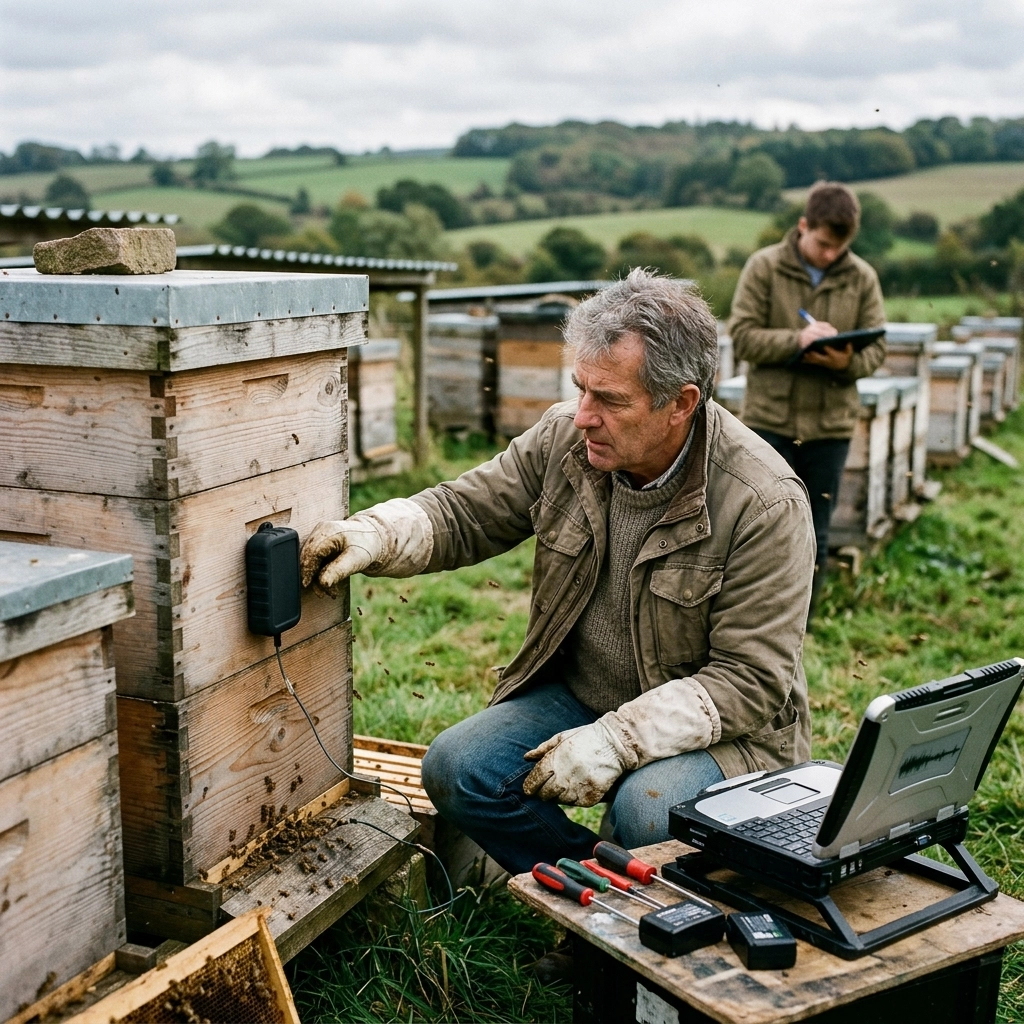
The traditional wooden beehive hasn't changed much in centuries, but the "Smart Hives" currently being tested at Wakehurst look like something out of a Silicon Valley laboratory. These hives are kitted out with an array of sensors that would make a smartphone jealous. The goal isn't just to see if the bees are there, but to understand exactly how they are doing.
- Acoustic Eavesdropping: Ultra-sensitive microphones are installed inside the hives to record the frequencies of the bees' buzzes. Every wing-beat tells a story, from the colony's stress levels to the presence of a new queen.
- AI Vision: High-definition cameras at the hive entrances act like a "Ring doorbell" for insects. Using computer vision, the system can identify different species of bees and even track how much pollen they are bringing back.
- Climate Tracking: Integrated sensors monitor internal temperature and humidity, allowing researchers to see how local weather patterns: exacerbated by climate change: affect the colony’s ability to thrive.
- Automated Alerts: If the AI detects an unusual sound pattern: perhaps indicating a predator or a sudden drop in health: it can send an automated alert to the researchers' phones.
- Non-Invasive Analysis: Unlike traditional inspections that require opening the hive and stressing the bees, this tech allows for 24/7 monitoring without ever lifting a lid.
By turning the hive into a data hub, Wakehurst is creating a blueprint for how we might protect pollinators on a global scale. It’s a bold move that combines the ancient art of beekeeping with the cutting edge of machine learning.
Beyond the Buzz: Decoding Bee Language
You might think a buzz is just a buzz, but to an AI trained on thousands of hours of insect audio, it is a complex language. One of the most fascinating aspects of the Wakehurst study is the use of vibroacoustics. Bees communicate through vibrations, and researchers are finding that these vibrations change significantly when the colony is under threat.
Recent breakthroughs in AI bioacoustics have shown that machine learning models can actually detect when bees have been exposed to pesticides. Specifically, exposure to certain chemicals like chlorpyrifos alters the acoustic signature of the hive. The bees don't just act differently; they sound different. The AI, using Hidden Markov Models and convolutional neural networks, can pick up on these subtle shifts long before a human observer would notice anything is wrong. This is the kind of offbeat tech application that could redefine environmental protection.
But it isn't just about detecting the bad stuff. The AI is also helping scientists understand "flowering periods." By tracking the weight of the hive and the sound of foraging activity, the system can predict exactly when certain wildflowers are in bloom and how effectively the bees are exploiting those resources. This data is vital for land management. If we know exactly which flowers the bees are hitting and when, we can plant more of them, creating a bespoke buffet for our fuzzy little pollen-pushers. It’s a brilliant example of using technology to bridge the gap between human infrastructure and the natural world.
Why This Matters for the UK’s Untold Stories
It is no secret that bee populations have been in a tailspin for decades. Habitat loss, intensive farming, and the shifting goalposts of the British climate have pushed many species to the brink. While big headlines often focus on political drama or economic shifts, the "untold stories" of our declining biodiversity are arguably more critical to our long-term survival. Without bees, our supermarkets would look a lot different, and our ecosystems would essentially collapse.
The Wakehurst project represents a shift in how we approach conservation in the UK. For too long, we have been reactive: trying to fix problems after the damage is done. AI allows us to be proactive. By listening to the hives, we can detect environmental stressors in real-time. If a particular area shows a spike in "stressed" buzzes, we can investigate the cause immediately. Is it a new pesticide being used nearby? Is it a lack of water? Is it a disease outbreak?
This data-driven approach also democratises conservation. The technology being developed at Wakehurst isn't just for elite scientists; the goal is to create scalable, affordable systems that beekeepers and farmers across the country can use. Imagine a future where every farm in the UK has a "Smart Hive" that acts as an early-warning system for the health of the local environment. It is a vision of a high-tech, green Britain that is rarely discussed in mainstream media.
As we move further into 2026, the marriage of AI and ecology will only grow stronger. The bees at Wakehurst are more than just honey-makers; they are biological sensors, and thanks to a few clever algorithms, we are finally learning how to listen to what they have to say. It turns out the future of our planet might just depend on us paying a little more attention to the hum in the garden.
The project at Wakehurst is a testament to what happens when we stop viewing technology and nature as opposing forces. When we use AI to enhance our understanding of the natural world, we don't just save the bees: we gain a deeper insight into the delicate balance that sustains us all. In the world of independent news, these are the stories that matter: the ones where innovation meets intuition to solve the world's most "stinging" problems.
The researchers at Wakehurst are continuing to refine their models, with plans to share their findings with global conservation bodies. By creating a digital library of bee sounds and behaviours, they are building a resource that will help scientists identify and protect pollinator species from the Highlands to the South Downs. It is a quiet, buzzing success story that proves that sometimes, the best way to move forward is to stop and listen.