Want the short version? Cancer is increasingly showing up in people who should, by all cultural agreement, be worrying about rent, dating disasters and whether oat milk is worth the extra 60p. Instead, more people in their twenties are facing diagnoses once associated mainly with later life. Grim? Yes. Random? Not quite.
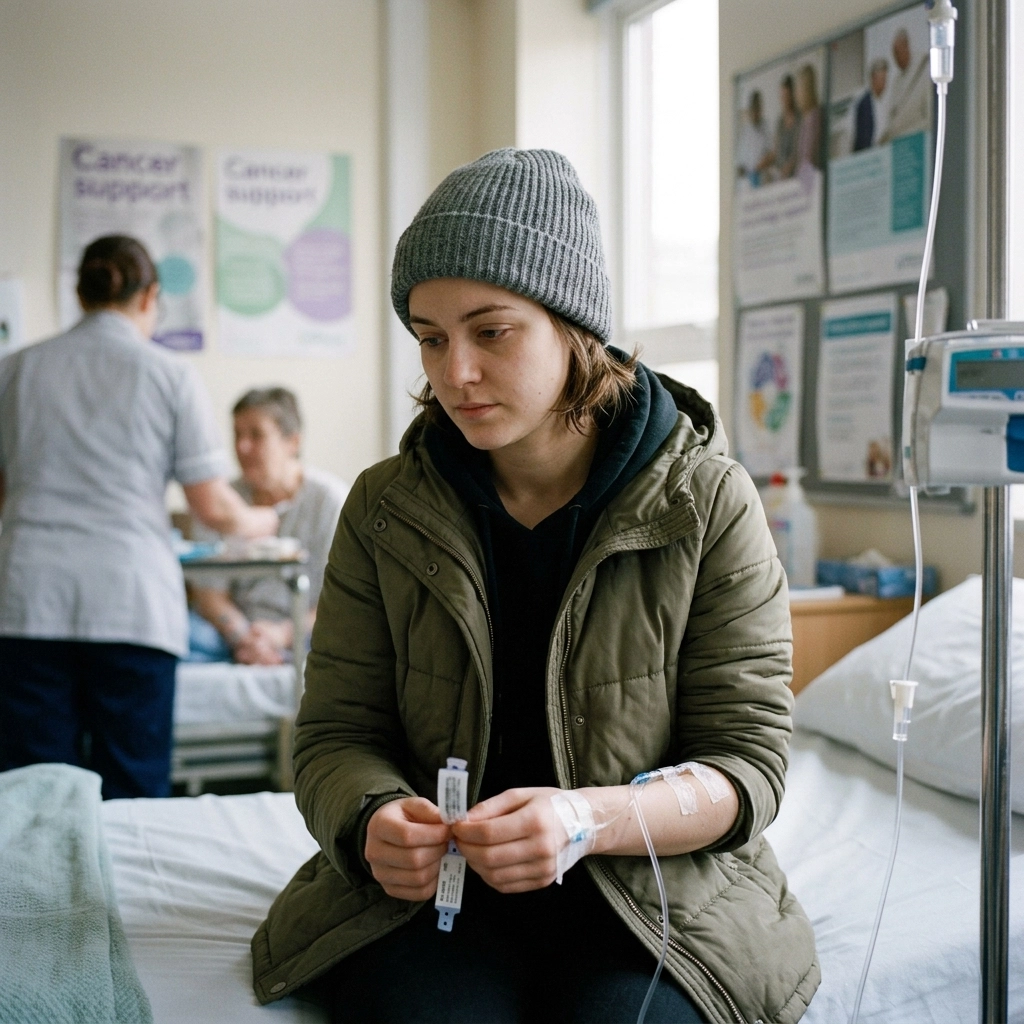
Across England and the wider UK, researchers have been tracking a rise in early-onset cancers, particularly among 20-to-34-year-olds. This isn’t just a statistical wobble. It’s a real shift, and one that has independent news uk readers, doctors and public health experts all asking the same thing: what exactly has changed? The untold stories behind the numbers are often the hardest part: young adults being dismissed because they seem “too young”, symptoms brushed off as stress, and diagnoses arriving after months of being told it was probably nothing.
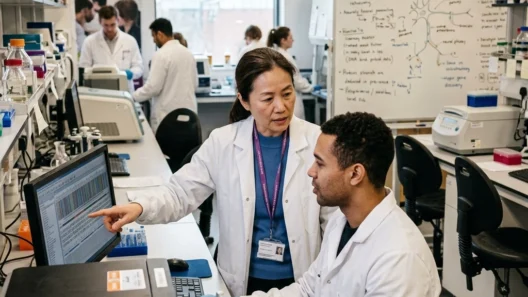
Scientists have identified 11 cancers that are increasing in younger people in England, including colorectal, breast and pancreatic cancers. None of this fits the old script. So, in the spirit of asking the obvious questions everyone else is also Googling at 1 a.m., here’s the article in Q&A form.
What’s actually going on here?
The basic answer is this: more younger adults are being diagnosed with cancer than in previous decades, and the increase is large enough to worry clinicians. Since the early 1990s, cancer rates in young adults in the UK have risen significantly. Since 2000, research suggests early-onset cancers have increased by more than 15%. Better detection explains part of that, but not all of it. Something bigger appears to be shifting.
For people in their twenties, colorectal cancer is one of the fastest-rising concerns. Some projections suggest incidence could rise sharply by 2030 among those aged 20–34. It has already become a leading cause of cancer-related death among adults under 50. That is a brutal sentence to read, never mind live through.
There is also a striking imbalance in who is being affected. Recent figures suggest cancer incidence in women under 50 is now markedly higher than in men of the same age group. That widening gap has fuelled questions about hormones, reproductive health, environmental exposure and the way modern lifestyles may affect different bodies differently. These are exactly the kind of untold stories that deserve more than a passing mention.
Why might cancer be rising in 20-somethings?
No, there isn’t one neat villain twirling a moustache in the corner. Researchers are looking at several overlapping factors, and the most likely answer is that this is a pile-up rather than a single cause.
One major theory centres on ultra-processed foods. Diets heavy in UPFs may affect the gut microbiome, increase inflammation and alter metabolic health over time. For cancers such as colorectal and stomach cancer, that matters a lot. The issue is not one snack or one takeaway. It is the long-term environment the body is living in.
Weight and metabolic health are also central to the conversation. Several of the cancers rising in England are linked to higher Body Mass Index and the chronic inflammation associated with obesity. That is sensitive territory, but it matters because inflammation, insulin changes and hormonal disruption can all create conditions in which cancer is more likely to develop.
Then there is the less glamorous but very real fact that many of us move far less than previous generations. Remote work, long commutes, endless screen time and a general culture of sitting down for most of the day have consequences. Physical activity helps regulate hormones, immune function and cellular repair. Bodies are not designed for twenty tabs open and 9,000 minutes in a desk chair.
Researchers are also paying close attention to the microbiome and the wider environment. Antibiotic exposure, low-fibre diets, microplastics, PFAS and other long-term chemical exposures are all under scrutiny. None has been confirmed as the sole smoking gun, but together they paint a picture of modern life being far less biologically neutral than we once liked to think.
What needs to change now?
First, young adults with red-flag symptoms need to be taken seriously, full stop. Persistent bloating, changes in bowel habits, unexplained fatigue, unusual bleeding or new lumps should not be waved away simply because someone is 27 and looks healthy on paper. Delayed diagnosis remains one of the biggest problems in this space.
Second, healthcare systems need to adjust to the reality in front of them. If cancer is rising earlier, then symptom pathways, GP awareness and access to tests all need to reflect that. The old assumption that youth equals low risk is becoming less reliable, and relying on it is increasingly dangerous.
Third, this is bigger than individual lifestyle tweaks. There are economic, social and policy questions wrapped up in this trend. Food systems, urban design, pollution exposure, health inequalities and public awareness all matter. If more people are becoming seriously ill in their twenties and thirties, the consequences ripple through families, workplaces and communities.
The rise in cancer among 20-somethings is complex, unsettling and still not fully explained. But the direction of travel is clear enough to demand attention. Recent evidence from England points to a serious public health challenge that will require earlier intervention, better diagnosis and a more honest look at how modern life may be shaping long-term health.