




Health officials have issued a stark warning that the meningitis outbreak currently centred in Kent is "most likely" to spread across the UK. With 34 suspected cases and two confirmed deaths as of March 21, 2026, the UK Health Security Agency (UKHSA) is scrambling to contain what is being described as a significant public health event. The surge in cases has triggered emergency protocols across multiple universities and schools, leaving families and students in a state of high alert.
The outbreak is believed to have been catalyzed by a specific superspreading event earlier this month. Public health investigators have traced the majority of infections back to a single nightclub in Canterbury. Between March 5 and March 7, 2026, an estimated 2,000 people attended events at Club Chemistry. Reports suggest the venue was unusually crowded, creating the ideal environment for the Neisseria meningitidis bacteria to pass between individuals through close contact and respiratory droplets.
As independent news UK outlets monitor the developing crisis, the focus has shifted from local containment to national prevention. The 23 laboratory-confirmed cases are not just statistics; they represent a sudden and aggressive resurgence of a disease that many believed was under control through routine vaccinations. The speed of the transmission has caught many off guard, highlighting potential gaps in the current student immunisation strategy.
The Canterbury Superspreader Event
The epicentre of the crisis remains the historic city of Canterbury. Following the events at Club Chemistry, cases began appearing at four different schools across Kent, as well as at the University of Kent and Canterbury Christ Church University. The demographic profile of those affected is predominantly young adults, a group traditionally at high risk due to their social habits and living arrangements in high-density student housing.
Medical experts explain that the bacteria thrive in "closed" environments. Nightclubs, lecture halls, and shared dormitory kitchens are primary sites for transmission. When 2,000 people are packed into a confined space for several hours, the risk of a single carrier infecting dozens of others increases exponentially. This is exactly what health officials believe happened during that first week of March.
The role of investigative journalism UK has been crucial in mapping out the timeline of the outbreak. Early reports indicate that several students presented with symptoms: high fever, severe headache, and the tell-tale non-blanching rash: within 48 to 72 hours of visiting the nightclub. However, the initial cases were not immediately linked, allowing the bacteria to circulate further into the community before the alarm was officially raised.
Real life stories news often highlights the devastating speed of meningitis. In this outbreak, the two fatalities were reported within hours of hospital admission. This rapid progression is a hallmark of meningococcal disease, which can cause life-threatening sepsis or inflammation of the lining of the brain and spinal cord. The severity of these cases has prompted the UKHSA to move from a "monitor" phase to an "active intervention" phase.
Tracing the Path of Infection
While the bulk of cases remain in Kent, the geographical boundaries are starting to blur. A confirmed case involving a student at a London-based higher education institution has been directly linked to the Kent cluster through social contacts. Furthermore, a Kent resident who was treated at a London hospital has raised fears that the bacteria could already be circulating in the capital’s transit hubs and social spaces.
The international dimension of the outbreak has also added a layer of complexity to the investigation. A 19-year-old French-Congolese student, who attended the Canterbury events, travelled to Paris on March 7. While no secondary cases have been confirmed in France yet, the incident demonstrates how easily a local outbreak can become an international concern in the age of rapid transit.
Health officials are now warning that the "most likely" scenario is a wider national spread. This assessment is based on the movement of students between cities for weekends and the upcoming spring break. The incubation period for meningitis can range from two to ten days, meaning individuals could be carrying the bacteria to different parts of the country without yet showing symptoms.
Investigative journalism UK efforts have pointed toward the "shadow contacts": individuals who were in the club but are not registered students. Tracking these people is proving to be a logistical nightmare for contact tracers. Without a complete manifest of everyone present during the superspreading window, the UKHSA is forced to rely on public appeals and self-reporting, which are notoriously hit-or-miss strategies in fast-moving infectious disease scenarios.
The UK’s Public Health Mobilisation
The response on the ground has been fast and wide-ranging. Over 9,000 doses of preventative antibiotics have already been administered to people identified as close contacts of the confirmed cases. In Canterbury, a targeted vaccination programme is underway, aiming to inoculate 5,000 students living in University of Kent halls of residence. This is a race against time to create a "firebreak" of immunity before the bacteria can find new hosts.
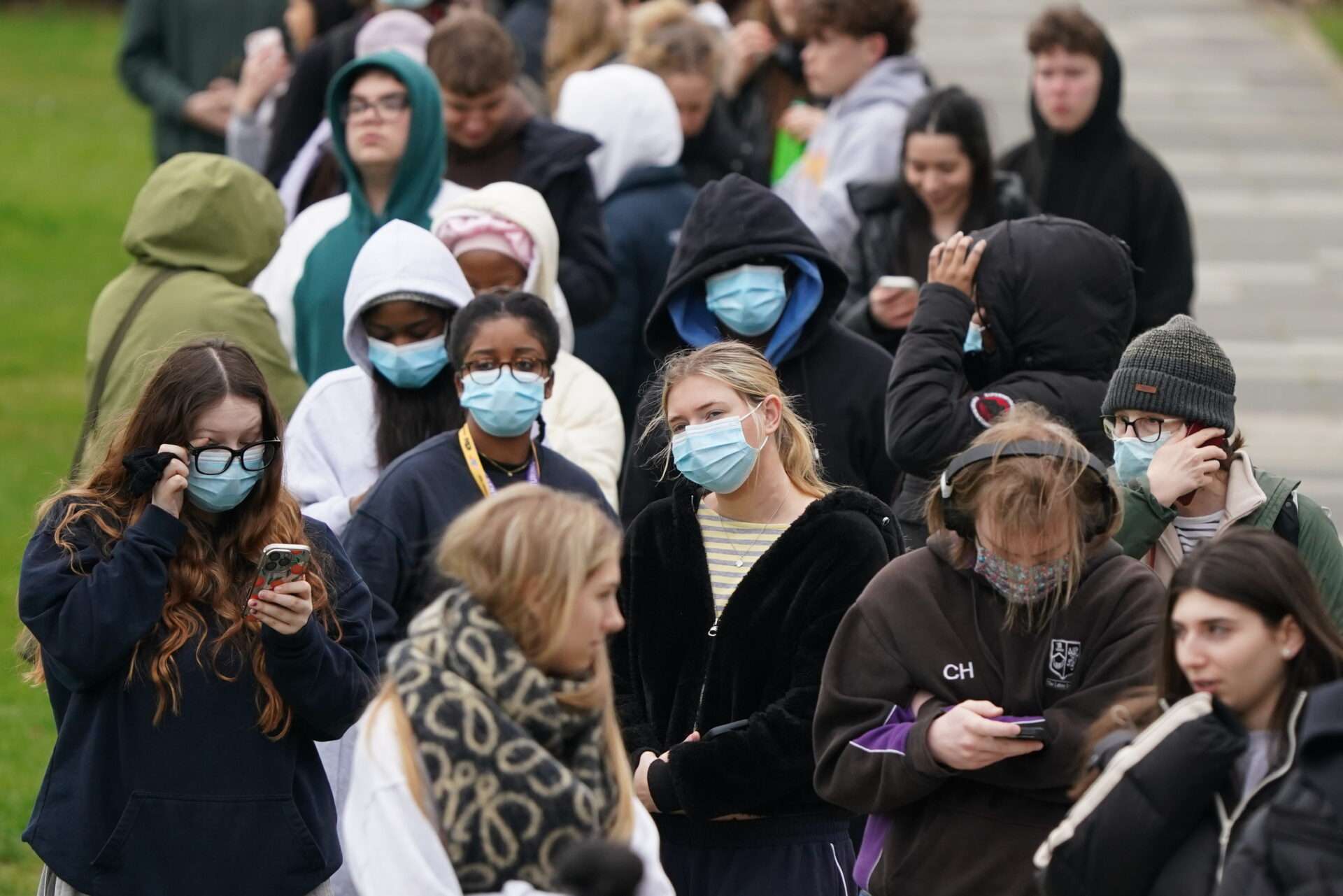
Independent news UK reporters on the scene describe long queues at temporary health hubs. Students are being urged to check their vaccination status, specifically for the MenACWY vaccine. There is growing concern that the current outbreak may involve a strain not fully covered by the standard boosters, or that vaccine uptake among the "lockdown generation" of students has dipped below the levels required for herd immunity.
Moving beyond the data, real life stories news reveals the human toll of the quarantine measures. Hundreds of students are currently in self-isolation, waiting for test results or the completion of their antibiotic courses. The psychological impact of another "lockdown-style" event, even if localised, is significant for a demographic that has already faced years of educational and social disruption.
The government's preparedness is also under the microscope. Health officials are being asked why the "superspreader" event wasn't identified sooner and whether the NHS has the surge capacity to handle a national meningitis spike alongside existing seasonal pressures. For now, the focus remains on the "red flags": cold hands and feet, light sensitivity, and confusion. Public health messaging is clear: if you suspect meningitis, do not wait for a rash to appear.
The situation remains fluid. As of this morning, eleven further notifications are under investigation, and the UKHSA is expected to provide another briefing within the next 24 hours. The transition from a local Kent issue to a national health warning marks a critical turning point in the management of this outbreak. Whether the current containment measures are enough to stop the spread beyond the borders of Kent remains the central question for the UK’s public health infrastructure.