






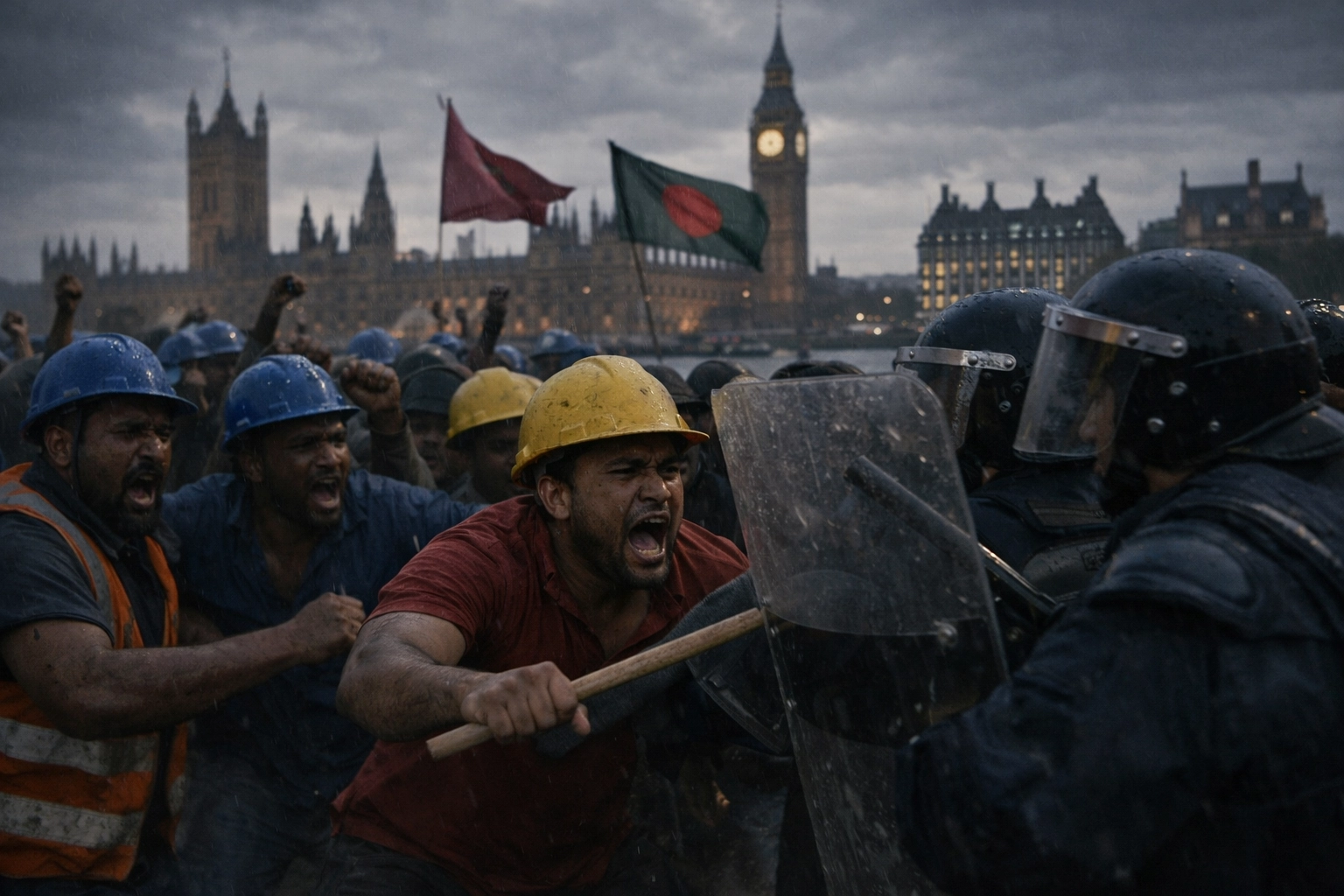
The atmosphere in Westminster this Tuesday evening is thick with a familiar, restless tension. It is the 24th of March 2026, and the Labour government is facing one of its most significant internal tests since the general election. At the heart of the storm is Home Secretary Shabana Mahmood and a migration strategy that has set the backbenches on fire. What started as a series of quiet grumbles in the tea rooms has transformed into a full-scale "Labour Migration Revolt," as a determined group of MPs weighs up a high-stakes vote against their own front bench.
The streets outside Parliament are quiet, but inside, the machinery of party discipline is working overtime. The proposed reforms, which have been circulating in draft form since late 2025, represent a radical departure from the party’s historical stance on asylum and residency. For many on the left of the party, the proposals are a bridge too far. For those on the right, the concern is less about the moral high ground and more about whether these plans will actually work.
The gritty reality of British politics in 2026 is that the honeymoon period for the Labour leadership is well and truly over. The promises of "change" are now meeting the hard wall of legislative implementation, and the cracks are beginning to show.
The Legislative Hammer Drops on Permanent Residency
The core of the revolt centres on Shabana Mahmood’s sweeping changes to how the UK handles those seeking refuge. For decades, the goal for many arriving in Britain under refugee status was the security of permanent residency: a chance to build a life without the constant threat of deportation. Mahmood’s new plan seeks to end that tradition. The proposal suggests replacing permanent status with a rolling, temporary residency that must be renewed every few years, subject to "safe return" assessments.
This shift is not just a minor administrative tweak; it is a fundamental reordering of the UK’s asylum framework. The Home Office argues that this will make the system more flexible and ensure that the UK is only providing sanctuary for as long as it is strictly necessary. However, the human cost is exactly what has sparked the mutiny. Critics within the party argue that this creates a "permanent underclass" of people who can never truly integrate because they never know if they will be here next year.
Beyond the residency status, the bill extends the settlement periods for other categories of migrants, pushing the "pathway to citizenship" further out of reach for thousands of essential workers. In the corridors of power, this is being framed as a "tough but necessary" measure to manage net migration figures that remain stubbornly high. But for the 22 MPs who have already publicly voiced their dissent, it feels like a betrayal of the party’s core values. The grit in the gears of this legislative machine is the fear that Labour is simply trying to outmanoeuvre the hard right at the expense of its own soul.
Tea Room Whispers and Front-Bench Friction
The rebellion isn't a monolithic block. It’s a messy, complicated coalition of different ideologies. On one side, you have the traditional left. Figures like Bell Ribeiro-Addy, Clive Lewis, and Nadia Whittome have been vocal, framing their opposition in the language of "decency and compassion." They argue that the policy is a departure from the UK’s international obligations and will tear families apart. To them, the government is leaning into a populist narrative that they were elected to defeat.
On the other side of the revolt, you find a different kind of dissent. MPs like Stella Creasy have taken a more pragmatic, though no less critical, approach. Their arguments focus on the economic inefficiency of the plans. They point out that keeping thousands of people in a state of temporary limbo is a bureaucratic nightmare that will cost the taxpayer more in the long run. By preventing refugees and migrants from fully integrating, the government is essentially blocking them from contributing fully to the economy: a move that seems at odds with Labour’s growth agenda.
The pressure on the front bench is palpable. Reports suggest that at least one minister is on "resignation watch," weighing up whether they can stay in post while a policy they fundamentally disagree with is pushed through. The government’s majority is large, but a revolt of 20 to 30 MPs: while representing a small percentage of the total: is a PR disaster. It signals a lack of control and a party that is beginning to argue with itself rather than governing the country. The "asylum mutiny," as the tabloids have dubbed it, is a visual of a party struggling to reconcile its activist roots with the cold realities of 2026 governance.
The Reform UK Shadow and the Future of the Party
Why is the government taking such a hard line? The answer lies in the polling data and the shadow cast by Reform UK. Since the 2024 election, Reform has maintained a steady presence in the national conversation, hovering over Labour-held seats in the North and the Midlands like a persistent fog. The leadership is terrified that if they are perceived as "soft" on migration, they will lose those crucial voters who only recently returned to the Labour fold.
Shabana Mahmood’s plans are, in many ways, a defensive crouch. By adopting "tough" language and ending permanent residency, the government is attempting to neutralise one of the right’s most potent weapons. It is a gamble that says the party can afford to lose a few disgruntled backbenchers if it means keeping the "red wall" secure. But this strategy carries its own risks. By moving into the territory of the far-right, Labour risks alienating its younger, more liberal base: the people who knocked on doors and made the 2024 victory possible.
As the sun sets over the Thames today, the Labour party finds itself in a precarious position. The vote on Mahmood’s migration plans will be a defining moment for the administration. If the revolt grows, it could force a humiliating climbdown or a series of concessions that water down the bill. If the government pushes through regardless, the internal wounds may take years to heal. The grit and the grime of this political battle are a reminder that in 2026, the biggest threat to the Labour government might not be the opposition across the aisle, but the voices within its own ranks.
The "Labour Migration Revolt" is more than just a disagreement over policy; it is a fight for the identity of the party in a post-Brexit, post-crisis Britain. Whether the leadership can hold the line or if the mutiny will spread remains the biggest question in Westminster tonight. The story is far from over, and the consequences of this week’s decisions will be felt in the polling stations and on the streets for years to come.