





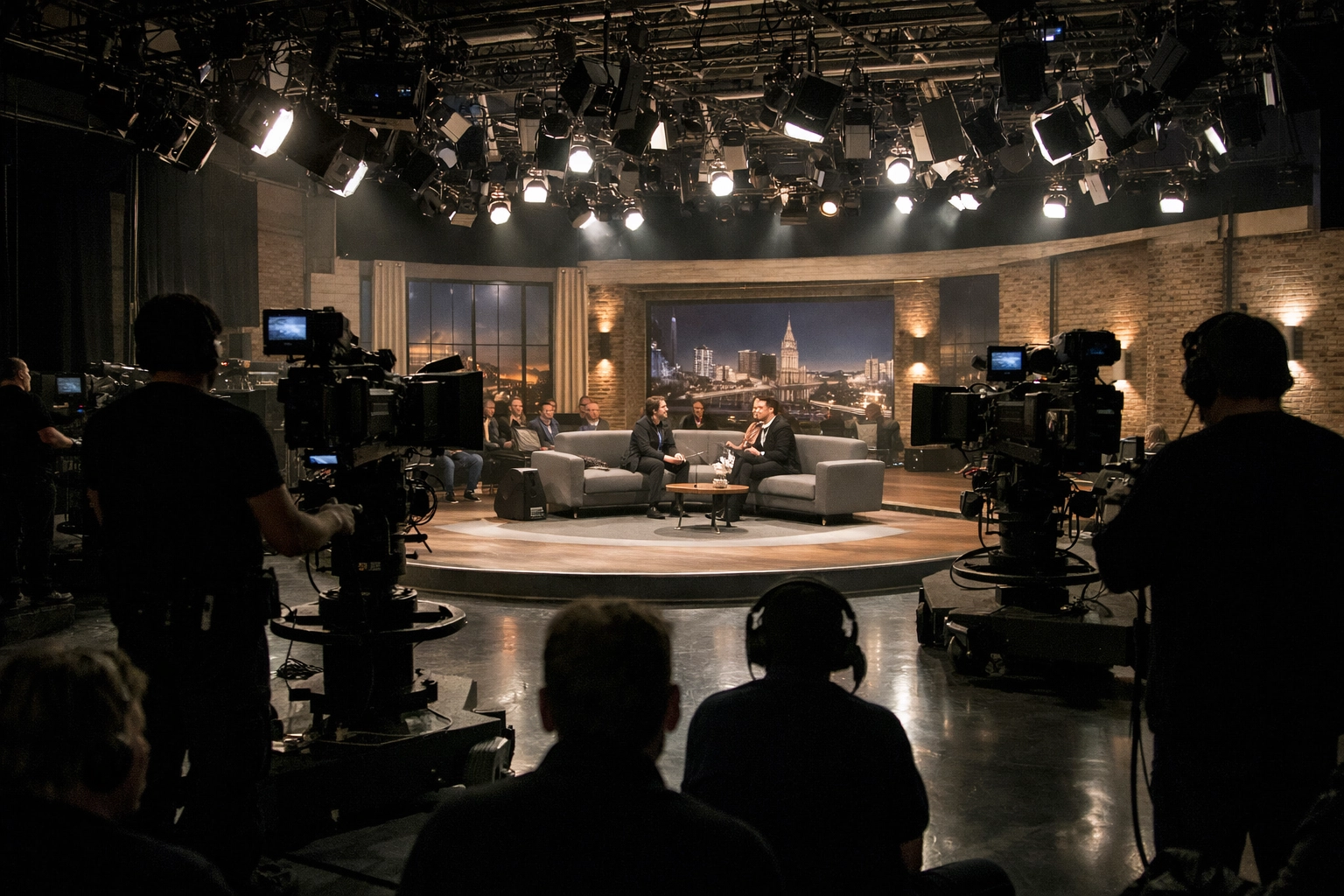
The long-awaited British iteration of the American late-night institution Saturday Night Live finally made its debut on 22 March 2026. Billed as a revolution for the UK’s stagnant sketch comedy scene, the premiere was met with a mixture of morbid curiosity and genuine excitement. Hosted by comedy royalty Tina Fey with musical guest Wet Leg, the programme attempted to transplant a quintessentially American format into the cynical soil of British television. While the ratings suggested a healthy appetite for the experiment, the critical response has exposed a significant cultural divide.
The broadcast, emanating from a refurbished studio in West London, pulled in 226,000 viewers. For a digital-first era, a 3.2% audience share is a respectable start, outperforming standard Sky comedy fare and even nudging past Channel 4’s Sunday evening film offering. However, the numbers only tell half the story. On social media, the reaction was immediate and often merciless. Viewers questioned whether the high-energy, "punchy" American style of satire could ever truly sit comfortably alongside the drier, self-deprecating tradition of British humour.
A Transatlantic Identity Crisis in Television
The difficulty of exporting Saturday Night Live lies in its DNA. Since 1975, the American version has relied on a specific brand of topicality and a "theatre-kid" earnestness that often clashes with the UK’s preference for the surreal or the savagely satirical. Tina Fey, a veteran of the original show, was perhaps the only person capable of bridging that gap during the premiere. Her opening monologue was a masterclass in self-awareness. Recognising the elephant in the room: why an American was hosting the UK debut: she leaned into a series of rapid-fire British impressions.
Fey’s take on Hyacinth Bucket from Keeping Up Appearances and her uncanny mimicry of UK insurance advert jingles earned her significant goodwill from the live audience. It was a tactical move that suggested the writers understood their new environment. Yet, as the night progressed, the show’s American roots began to show through the cracks. The pacing, which feels natural in a New York context, occasionally felt frantic and over-rehearsed for a London stage. British sketch comedy, from Monty Python to The Fast Show, has traditionally thrived on a certain level of grittiness or looseness that SNL UK seemed eager to polish away.
The "Weekend Update" segment, a cornerstone of the SNL brand, was handed to Paddy Young and Ania Magliano. This was perhaps the most successful element of the night. By grounding the news parodies in local politics and the absurdities of British daily life, Young and Magliano managed to capture a tone that felt authentic. They avoided the trap of merely imitating their American counterparts, instead delivering a sharp, cynical take on the current political landscape that resonated with the domestic audience. It was in these moments that the show felt less like a franchise and more like a local production.
Viral Successes and the Hamnet Hurdle
No modern sketch show can survive without "viral" potential, and SNL UK found its first breakout star in Jack Shep. His portrayal of a ghostly, slightly confused Princess Diana, offering modern-day life advice to the royal family, was described by critics as the highlight of the evening. It was the kind of risky, irreverent comedy that British audiences typically adore. Similarly, George Fouracres delivered a pitch-perfect Keir Starmer, portraying the Prime Minister with a level of beige intensity that felt both accurate and hilariously biting. These character-driven pieces proved that the talent pool in the UK is more than capable of meeting the demands of a weekly live broadcast.
However, the second half of the show illustrated why the format remains a gamble. A lengthy sketch involving a mother giving birth to an "attention-seeking introvert" lacked a clear comedic direction and overstayed its welcome. This was followed by a spoof of the theatrical hit Hamnet, which highlighted a recurring problem for both the UK and US versions of the show: the inability to stick the landing. The sketch meandered through literary references before ending abruptly, leaving the audience in a state of confused silence rather than laughter.
The musical performances by Wet Leg provided a necessary palette cleanser. The Isle of Wight duo brought a relaxed, effortless energy to the proceedings that contrasted sharply with the high-strung nature of the comedy sketches. Their presence felt like a nod to the show’s intention to be a cultural tastemaker, yet it also highlighted the disjointed nature of the premiere. At times, SNL UK felt like three different shows fighting for dominance: a polished American import, a gritty British satire, and a trendy variety hour.
The Future of British Sketch Comedy
The critical verdict on the debut has been predictably split. The Telegraph surprised many by awarding the show four stars, praising it as "shockingly competent" and a "technical marvel." In contrast, Deadline was far less forgiving, dismissing the ninety-minute broadcast as a "laughter-free yawn" and "painful to watch." The Guardian and The Independent both settled on a middle-ground three stars, noting that while the potential is evident, the execution remains uneven.
The core issue facing SNL UK is whether it can develop a unique voice before the novelty wears off. The UK has a long history of sketch comedy, but the genre has struggled in recent years as viewers have migrated to short-form content on TikTok and YouTube. By attempting to revive the large-scale, live variety format, SNL UK is moving against the tide of modern consumption habits. The "live" element is its greatest selling point, creating a sense of urgency and unpredictability that is missing from pre-recorded sitcoms. However, that same live nature means that when a sketch fails, it fails spectacularly in front of hundreds of thousands of people.
To survive beyond its initial season, the programme will need to lean further into its British identity and move away from the "greatest hits" feel of the premiere. There is a fine line between paying homage to a legendary format and becoming a hollow imitation of it. The talent is clearly there, both in front of and behind the camera. The success of George Fouracres and Jack Shep suggests that there is a hunger for sharp, character-based satire that reflects the modern UK. If the show can shed its American insecurities and embrace the beautiful, chaotic messiness of British life, it might just find its place in the Saturday night schedule. For now, the verdict remains "could do better," but in the world of live television, a rocky start is often the precursor to a long-running hit.