





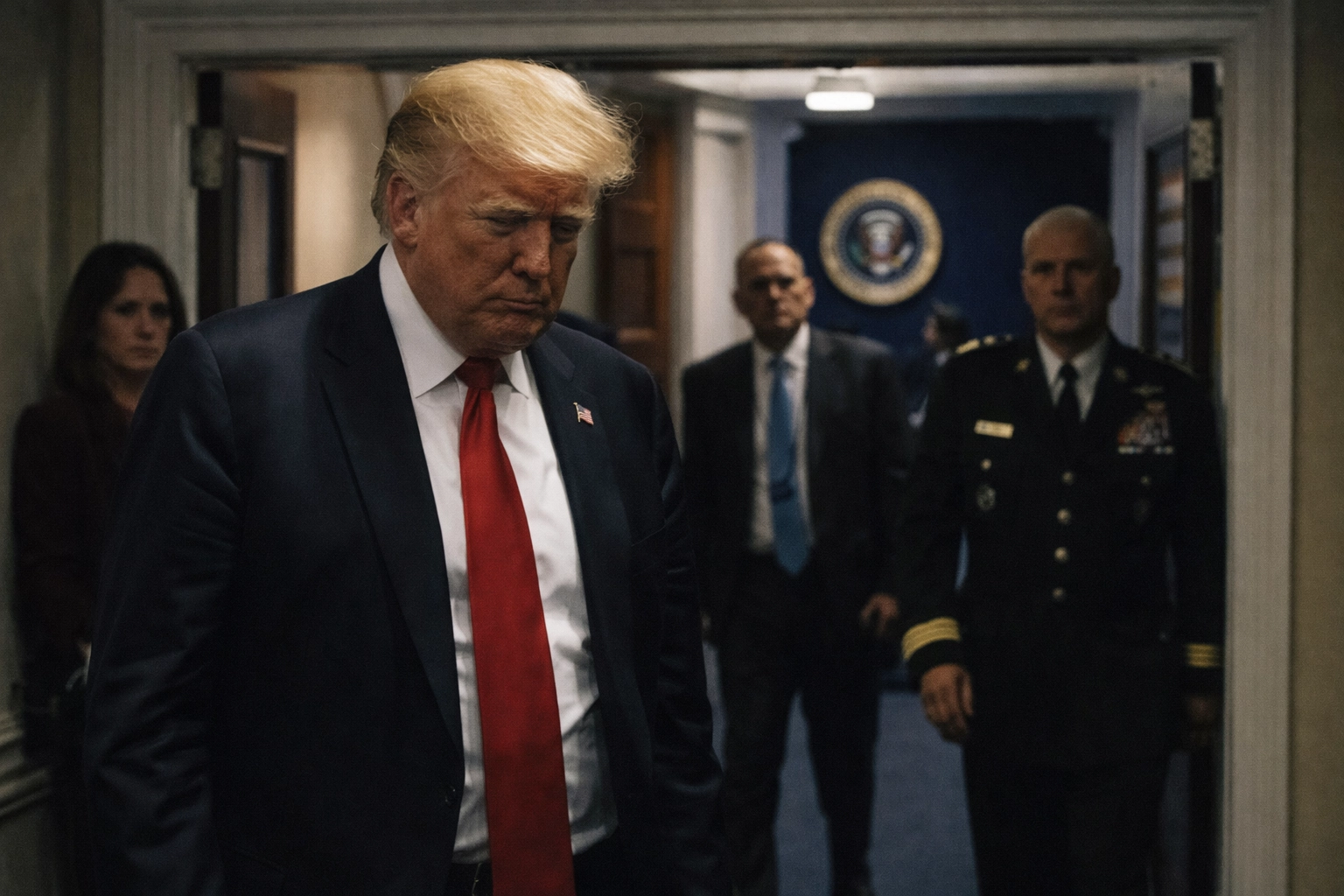
President Donald Trump has authorised a five-day postponement of planned military strikes against Iranian power plants and energy infrastructure. The decision follows what the White House described as "productive conversations" with Tehran aimed at a total resolution of regional hostilities. This sudden shift in policy comes after a weekend of escalating rhetoric in which the President had threatened to "obliterate" Iranian utility grids if key maritime corridors were not fully reopened.
The announcement was made late on Monday, signalling a temporary reprieve for a global energy market that has remained on edge for weeks. According to White House officials, the Department of Defence has been instructed to stand down from offensive operations specifically targeting the Iranian electrical grid and oil refineries until the conclusion of a five-day negotiating window. This period is intended to facilitate high-level discussions between intermediaries, though the specifics of the diplomatic channel remain clouded by conflicting reports from both capitals.
Speaking to Bloomberg Television, President Trump indicated that there is a "very good chance" a comprehensive deal could be reached. The administration’s pivot from immediate kinetic action to a diplomatic pause suggests a tactical reassessment of the risks associated with a direct strike on sovereign Iranian soil. Analysts suggest that the potential for a massive disruption to global oil supplies and the risk of a broader regional conflagration may have influenced the decision to delay the offensive.
The five-day window for diplomacy
The postponement marks a sharp departure from the ultimatum issued by the Trump administration over the previous forty-eight hours. The original demand required Tehran to ensure the "complete and total" opening of the Strait of Hormuz by Monday evening or face a systematic dismantling of its domestic power generation capabilities. The Strait, a critical artery for global energy transit, has been a flashpoint for military tension, with Iranian forces frequently conducting drills and shadowing commercial vessels.
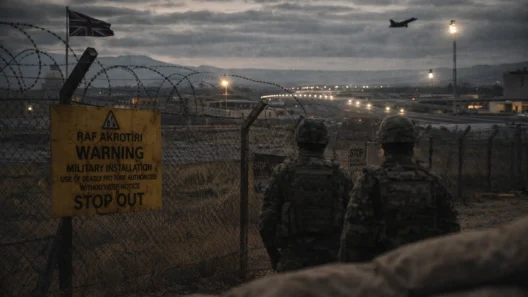
By granting a five-day extension, the White House is testing the sincerity of Iranian overtures. President Trump characterised the recent interactions as "very good," suggesting that a framework for ending the conflict might be within reach. However, the conditions for this pause are strictly time-bound. The Department of Defence remains in a state of high alert, with carrier strike groups and strategic bombers positioned within range of Iranian territory. The administration has made it clear that the postponement is "subject to the success of ongoing meetings," meaning that any perceived provocation or breakdown in talks could trigger an immediate resumption of the strike plan.
Internally, the Trump administration has outlined six primary demands that must be addressed during this brief diplomatic window. These include a mandatory five-year halt to Iran’s ballistic missile programme, a definitive end to the financing of regional proxy groups, and a return to zero uranium enrichment. These demands represent a maximalist position that has previously been rejected by the Iranian leadership. The five-day pause is viewed by many in Washington as a final opportunity for Tehran to accept these terms before the United States moves forward with a kinetic campaign designed to cripple Iran’s economic and military foundations.
Tehran denies direct talks as conflict continues
Despite the optimistic tone coming from the White House, the Iranian response has been far more combative. The Iranian foreign ministry and state-controlled media have flatly denied that any direct bilateral negotiations with the United States are taking place. High-ranking officials in Tehran have dismissed the President’s claims of "productive conversations" as a form of "psychological warfare" intended to sow confusion within the Iranian populace and create a false narrative of concession.
The deputy speaker of Iran's parliament reinforced this stance, ruling out any possibility of negotiations with the current US administration under the current conditions of "maximum pressure." Iranian officials maintain that any movement toward trade normalisation or the reopening of the Strait of Hormuz is contingent upon the United States and its regional allies, specifically Israel, halting all military offensives and committing to a permanent cessation of hostilities. This mismatch in narratives suggests a dangerous disconnect between the two nations' public positions and the reality of the diplomatic back-channels.
While the United States has paused its planned attacks on energy infrastructure, the conflict remains active on other fronts. Recent Israeli airstrikes have reportedly targeted military installations and disrupted the electrical grid in large parts of Tehran. Meanwhile, projectiles have continued to be launched toward Gulf states and US military assets in the region. The ongoing kinetic nature of the conflict complicates the five-day diplomatic window, as any single incident on the ground or at sea could escalate the situation beyond the control of the negotiators. The Iranian leadership appears to be balancing a domestic need to appear defiant against the pragmatic necessity of avoiding the total destruction of their energy sector.
What targeting energy infrastructure could mean
The focus on energy infrastructure represents a significant escalation in the scope of potential US military involvement. By targeting power plants and refineries, the Trump administration is moving beyond traditional military-to-military engagement and toward a strategy of "national paralysis". Such strikes would not only disable the Iranian military's logistics but would also have a catastrophic impact on the civilian population, potentially leading to widespread outages, water shortages, and economic collapse. This threat is being used as the primary lever to force Iran back to the negotiating table on American terms.
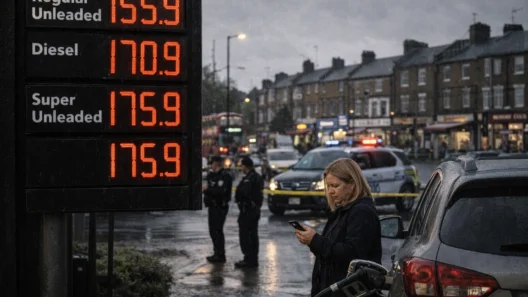
The global implications of this strategy are profound. Energy markets have already seen significant volatility, with oil prices fluctuating wildly as news of the strike postponement reached traders. If the five-day window expires without a deal and the United States carries out its original plan, the resulting shock to the global energy supply could be unprecedented. The Strait of Hormuz remains the ultimate prize in this geopolitical chess match; its closure would trigger a global economic crisis that neither Washington nor Tehran would be immune to. The "productive conversations" mentioned by President Trump likely involve the delicate task of de-conflicting these economic interests while maintaining the appearance of military strength.
As the clock ticks down on the five-day reprieve, the international community remains in a state of high anxiety. European and regional allies have been briefed on the potential outcomes, but the ultimate decision rests on the success or failure of secretive meetings scheduled throughout the week. The core issue remains whether Iran is willing to trade its missile programme and regional influence for the survival of its domestic infrastructure. If no middle ground is found by Friday, the postponement will end, and the prospect of a full-scale energy war in the Middle East will once again become a direct and immediate reality. The coming days will determine whether this pause was a genuine step toward peace or merely the final breath before an inevitable storm.