





Boyan Chowdhury, the former lead guitarist of the multi-platinum Liverpool band The Zutons, has detailed the harrowing circumstances of a racially motivated assault that left him with life-changing injuries. The musician, a founding member of the group responsible for the global hit "Valerie," was targeted in a violent street attack that resulted in a fractured skull and a long, difficult path to recovery. The incident, which occurred in the band’s home city of Liverpool, sent shockwaves through the British music industry and highlighted the persistent threat of hate crimes in urban centres.
The assault was not an isolated moment of street violence but a targeted act of racial aggression. Chowdhury, who is of Bengali descent, was confronted by a group of individuals who used a brick as a weapon during the confrontation. The force of the blow was sufficient to cause significant damage to his facial structure and cranium, necessitating emergency medical intervention. Witnesses at the time described the scene as chaotic and unprovoked, with the attackers fleeing the area before emergency services could arrive on the scene.
For Chowdhury, the attack represented a devastating intersection of his private life and the public-facing success of The Zutons. At the time of the incident, the band was at the height of its cultural relevance, touring extensively and preparing for further commercial expansion. The physical trauma of the assault was compounded by the psychological impact of being targeted for his ethnicity in the city he helped put back on the international musical map.
The night of the assault
The evening of the attack began as a standard social outing in Liverpool, a city known for its vibrant nightlife and tight-knit creative community. Chowdhury was walking through the city centre when he was intercepted by a group of men. According to reports from the time and subsequent statements by the musician, the group initiated the confrontation with a series of racial slurs. The verbal abuse quickly escalated into physical violence as the perpetrators cornered Chowdhury.
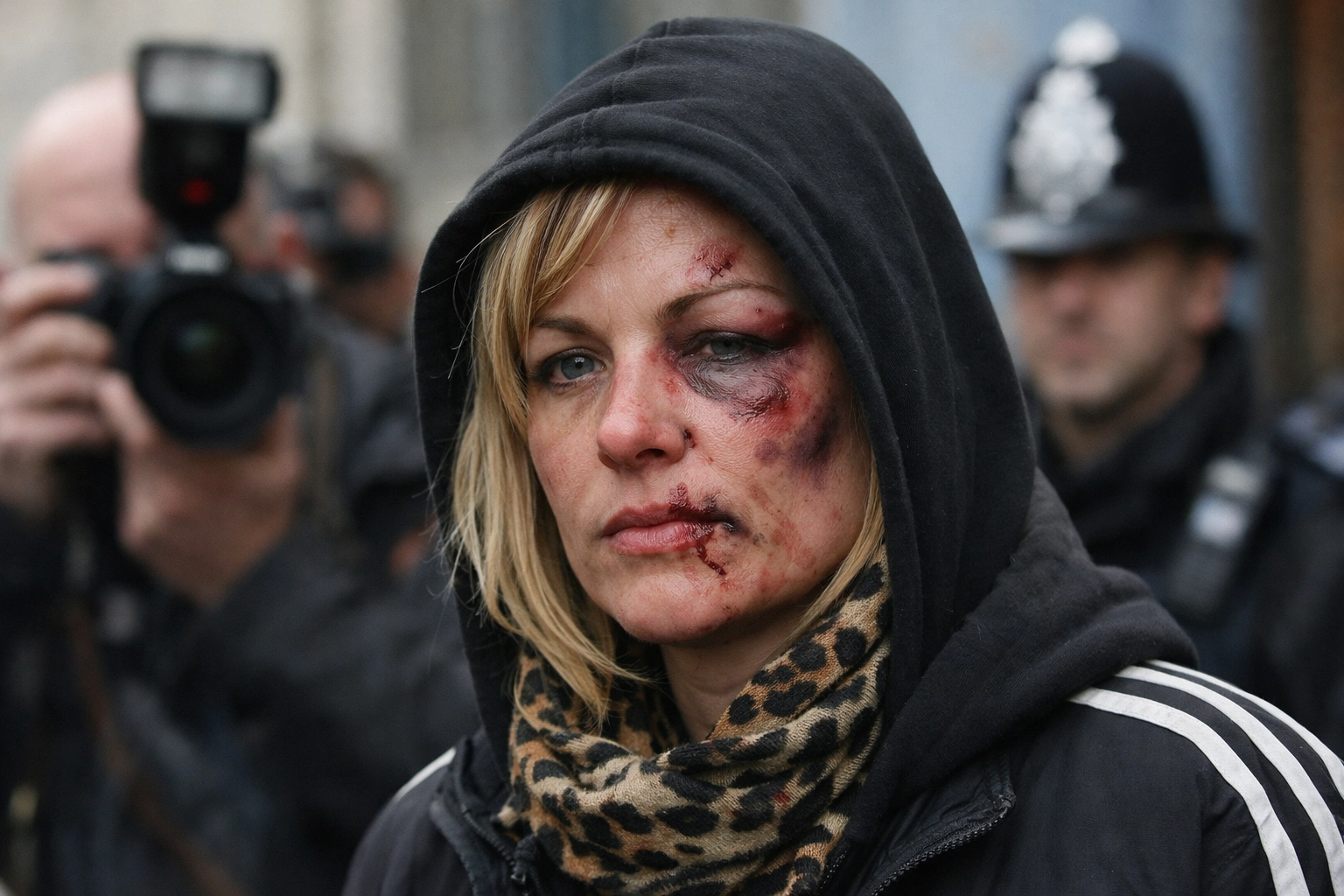
The use of a brick as a makeshift weapon turned a street altercation into a potentially lethal encounter. The primary blow struck Chowdhury in the face, shattering his cheekbone and causing a fracture to his skull near the eye socket. The severity of the impact left the guitarist semi-conscious and bleeding heavily on the pavement. Passers-by who discovered him alerted the emergency services, and he was rushed to a nearby hospital for specialist trauma care.
Medical staff initially feared that the injuries could result in permanent loss of sight in one eye or long-term cognitive impairment due to the skull fracture. The surgical team had to perform complex procedures to reconstruct the bones in his face, using metal plates to stabilize the fractures. During this period, the future of his career with The Zutons hung in the balance, as the physical requirements of touring and performing were secondary to the immediate need for neurological stability.
The police investigation into the assault faced significant challenges. Despite the high-profile nature of the victim, the lack of clear CCTV footage in that specific corner of the city and the speed with which the attackers disappeared made identification difficult. The incident served as a grim reminder of the vulnerability of individuals to hate-fuelled violence, even within their own communities. The Liverpool music scene rallied around Chowdhury, but the sense of security that many artists felt in the city was fundamentally shaken.
A long road to recovery
The physical healing process for Boyan Chowdhury was only the first stage of a multi-year journey toward stability. Following the successful reconstruction of his facial bones, the musician was left to contend with the "hidden" symptoms of a traumatic brain injury and the psychological fallout of a hate crime. Post-traumatic stress disorder (PTSD) and heightened anxiety became constant companions, making the prospect of returning to the public stage a daunting challenge.
Recovery involved more than just resting; it required a complete recalibration of his lifestyle and professional expectations. The Zutons were in a high-pressure cycle of recording and promotion, a schedule that is notoriously difficult for someone recovering from a head injury. The bright lights of the stage, the high-volume environment of live concerts, and the constant travel exacerbated the headaches and dizziness that followed the assault.
In the months following the attack, Chowdhury’s role within the band began to shift. While his creative contributions remained vital, the strain of the injury and the internal dynamics of the group eventually led to his departure from The Zutons in 2007. The official reasons cited creative differences, but the shadow of the assault and the subsequent recovery period remained a significant factor in his personal life during that transition. He later formed a new project, The Venus 5, and continued to work in the industry, but the scars: both literal and figurative: stayed with him.
The psychological impact of a racially motivated attack is often more enduring than the physical wounds. Chowdhury has since spoken about the feeling of being "othered" in his own hometown and the difficulty of reconciling his love for Liverpool with the violence he experienced there. The recovery process involved re-engaging with the city and the music scene on his own terms, moving away from the mainstream spotlight to find a more sustainable way of existing as an artist.
His survival and eventual return to music became a testament to his resilience. He continued to collaborate with various artists and remained a respected figure in the UK indie scene, often being cited by younger musicians as an influence for his unique guitar style. However, the legacy of the brick attack remained a cautionary tale about the dangers of unchecked prejudice and the fragility of a career in the arts when faced with sudden, external violence.
The cultural impact of hate
The attack on Boyan Chowdhury occurred within a broader context of rising hate crime statistics in the United Kingdom. While the mid-2000s were often portrayed as a period of increasing multicultural harmony, high-profile incidents like this demonstrated that systemic racism and individual prejudice remained potent threats. For many in the British South Asian community, the assault on a successful musician like Chowdhury was a sign that professional success provided no immunity from the realities of street-level bigotry.
Data from the Home Office has consistently shown that racially motivated crimes make up the largest proportion of hate crimes recorded by the police in England and Wales. The brutality of the attack on Chowdhury underscored the need for more robust legal protections and a more proactive approach to policing hate-fuelled incidents. It also sparked a conversation within the music industry about the safety and representation of minority artists.
The Zutons’ success, particularly the ubiquitous nature of the song "Valerie," meant that Chowdhury’s face was known to millions. The fact that he could be targeted and nearly killed in a public space forced a reckoning with the idea of "celebrity safety." It also challenged the narrative of Liverpool as a purely inclusive "City of Culture." While the city is celebrated for its musical heritage and friendliness, the attack revealed a darker side of the urban experience that many residents of colour had long understood.
In the years since the attack, Chowdhury has used his platform to highlight the importance of tackling racism at its roots. His story is not just one of survival, but of the ongoing struggle to ensure that the creative industries are safe spaces for everyone, regardless of their background. The incident remains a significant chapter in the history of British indie rock, serving as a reminder of the human cost of hate.
As the UK continues to grapple with issues of identity and social cohesion in 2026, the story of Boyan Chowdhury remains relevant. It highlights the long-term nature of trauma and the necessity of community support in the wake of violence. The guitarist’s ability to move forward, to continue creating, and to speak his truth serves as a powerful rebuttal to the motives of those who sought to silence him through violence. The case continues to be cited by advocacy groups as a clear example of why the fight against racial prejudice must remain a priority for both the legal system and society at large.