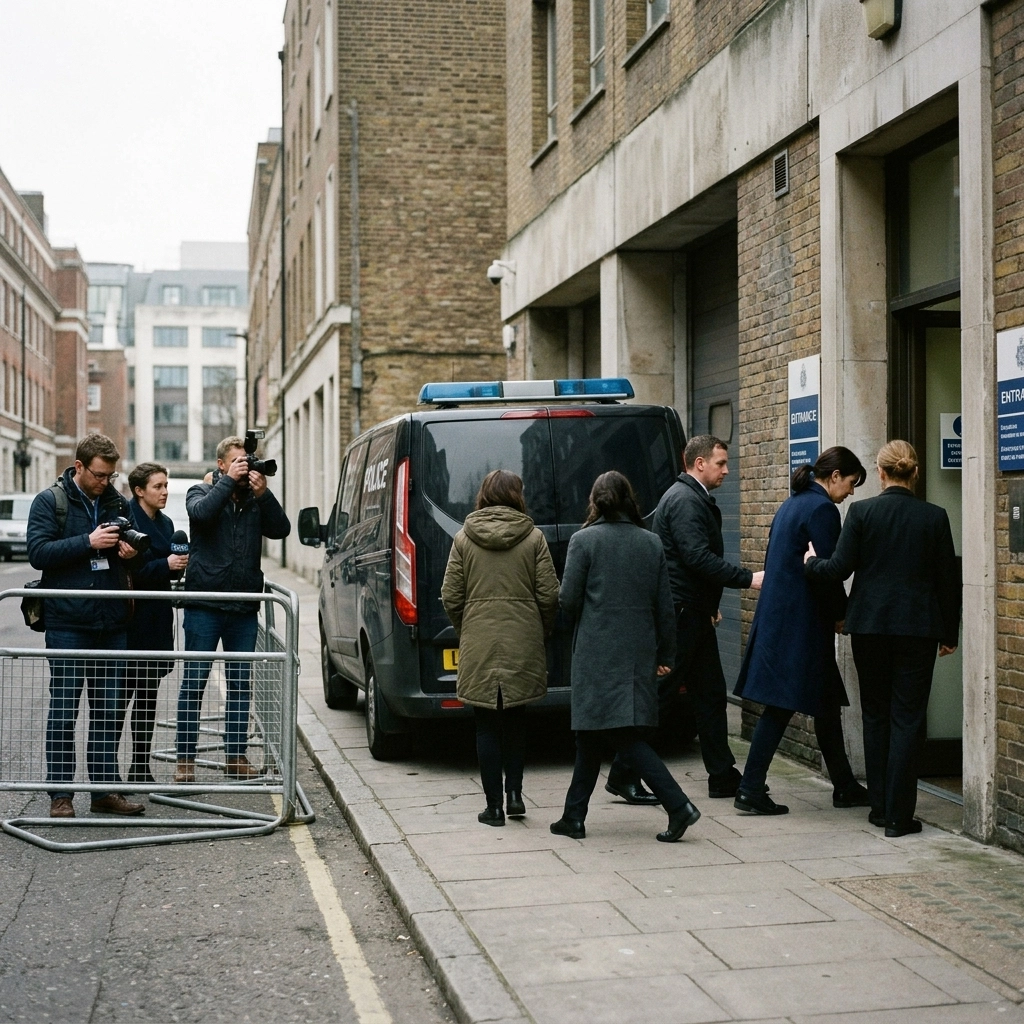
The landscape of British justice is often slow, but the momentum currently gathering behind the investigation into the late Mohamed Al Fayed suggests a significant shift in how historical allegations are handled. For decades, Al Fayed was a towering figure in the British business world, the owner of Harrods and Fulham FC, and a man whose influence seemed to reach into every corner of high society. However, since his death, the narrative has shifted dramatically. What was once a collection of hushed whispers has transformed into a formal, expansive police investigation. Most recently, the Metropolitan Police have confirmed that three women have been interviewed under caution as part of a probe into allegations of human trafficking and the facilitation of rape.
This development marks a turning point in the case. While the initial wave of allegations focused primarily on Al Fayed’s personal conduct, the scope has now widened to include those who may have assisted or enabled his alleged crimes. In the world of independent news UK, these are the untold stories that demand careful scrutiny. It is no longer just about the actions of one powerful man; it is about the system that surrounded him and the individuals who allegedly helped maintain it. The fact that police are now questioning people "under caution" indicates that these are not merely witness statements. These individuals are being treated as suspects in a criminal investigation, facing serious questions about their roles in what is being described as a sophisticated operation of exploitation.
The allegations are harrowing. More than 100 people have now come forward with claims against the former Harrods boss. These victims describe a pattern of behaviour that spanned decades, involving recruitment under false pretences, coercion, and sexual violence. The inclusion of human trafficking charges suggests that the investigation is looking at how women were moved, managed, and controlled within Al Fayed’s orbit. This isn’t just a story about a single workplace; it’s a story about the darker side of power and the lengths to which some will go to protect and serve those at the top.
The widening scope of the Metropolitan Police investigation
The decision by the Metropolitan Police to interview three women under caution highlights the complexity of this ongoing probe. In British law, being interviewed under caution means there are grounds to suspect the person has committed an offence. It is a formal step that signifies the police believe these individuals may have played a part in facilitating the alleged abuse. The focus here is on human trafficking and the facilitation of rape: charges that carry immense weight and suggest a level of organised complicity. The investigation is no longer looking at Al Fayed in isolation; it is peeling back the layers of his domestic and professional life to see who else was involved in the alleged machinery of abuse.
The Metropolitan Police have been clear that their investigation is active and expanding. As more survivors come forward, the picture of what allegedly happened behind the closed doors of Harrods and Al Fayed’s private residences becomes clearer. For many of these women, coming forward has been an act of immense bravery, often decades after the events took place. They are sharing untold stories that have been suppressed for far too long, often due to the perceived invincibility of Al Fayed and the legal threats that were famously part of his repertoire. The police are now tasked with cross-referencing these accounts to build a comprehensive case that looks at the "facilitators": those who allegedly recruited young women, arranged travel, or ensured that Al Fayed was never held accountable during his lifetime.
This shift in focus is vital for a sense of true justice. It acknowledges that powerful individuals rarely act alone in cases of systemic abuse. There is often a support structure: assistants, security personnel, or associates: who either turn a blind eye or actively participate in the exploitation. By questioning these three women, the police are sending a clear message that the passage of time and the death of the primary suspect do not provide a "get out of jail free" card for those who assisted in criminal activity. The investigation is a testament to the persistence of independent news uk outlets and legal teams who refused to let these allegations stay buried.
From Harrods to the global stage: A legacy under scrutiny
For years, Mohamed Al Fayed was synonymous with luxury and prestige. Harrods, under his leadership, was more than just a department store; it was a global landmark, a symbol of British retail excellence. Yet, the current investigation suggests that this glittery exterior may have hidden a much darker reality. Allegations suggest that the store was used as a primary location for identifying and grooming young women. The power dynamic was absolute: Al Fayed was the billionaire boss, and the women were often young employees or aspiring models who felt their entire careers depended on his favour.
The scale of the allegations is staggering. With over 100 people now making claims, it is one of the largest investigations of its kind in recent British history. The "untold stories" being shared by these survivors often follow a similar pattern: an initial meeting that seemed like a professional opportunity, followed by isolation, coercion, and abuse. Many survivors have spoken about the fear they felt, knowing that Al Fayed had the resources to silence them. He was a man who famously fought the British establishment, and that same litigious and aggressive energy was allegedly used to keep his victims quiet.
The current probe into human trafficking suggests that the alleged abuse wasn't confined to London. Al Fayed had properties and business interests around the world, and the investigation is reportedly looking into how women were moved between these locations. This international dimension adds another layer of complexity to the case. It requires coordination across different jurisdictions and a deep dive into travel records, employment contracts, and financial transactions from years ago. The fact that the Metropolitan Police are dedicating such significant resources to this case shows how seriously the allegations are being taken, even if the man at the centre of them is no longer alive to face a courtroom.
Seeking justice and accountability in modern Britain
The Al Fayed investigation is a landmark case for the UK’s legal and social systems. It raises fundamental questions about how we protect the vulnerable from those in positions of extreme power. In the past, the wealth and influence of figures like Al Fayed often served as a shield, deterring both victims from coming forward and authorities from investigating. However, the current climate is different. There is a growing societal demand for accountability, regardless of a person’s status or the amount of time that has passed since the alleged crimes occurred.
This case is also a reminder of the crucial role played by survivors who find the strength to speak out. Every new account provides another piece of the puzzle, helping the police to map out the full extent of the alleged trafficking network. For the three women currently being questioned, the legal process will be rigorous. The police must determine whether they were unwilling participants, witnesses to the crimes, or active facilitators who profited from or knowingly aided the abuse. This distinction is vital for the integrity of the justice system.
As an independent news UK voice, we recognise that the road to justice is often long and fraught with challenges. The Al Fayed probe is far from over, and it is likely that more individuals will be called in for questioning as the investigation continues. What matters most is that the survivors are finally being heard. Their untold stories are no longer being ignored; they are forming the basis of a criminal investigation that could finally bring some form of closure to dozens of women who have carried their trauma in silence for years. The focus on trafficking and facilitation ensures that the investigation is holistic, looking at the entire environment that allowed such alleged abuse to flourish unchecked for so long.
The Metropolitan Police investigation into Mohamed Al Fayed and his associates continues to evolve. With three women now interviewed under caution, the focus has shifted toward those who allegedly enabled a decades-long pattern of abuse and trafficking. As more survivors come forward and more evidence is gathered, the full extent of this dark chapter in British corporate history is beginning to emerge. The commitment of the authorities to pursue these leads, even after the death of the primary suspect, serves as a significant marker in the ongoing pursuit of accountability for high-profile crimes. The process remains ongoing, with further updates expected as the police continue their work.