





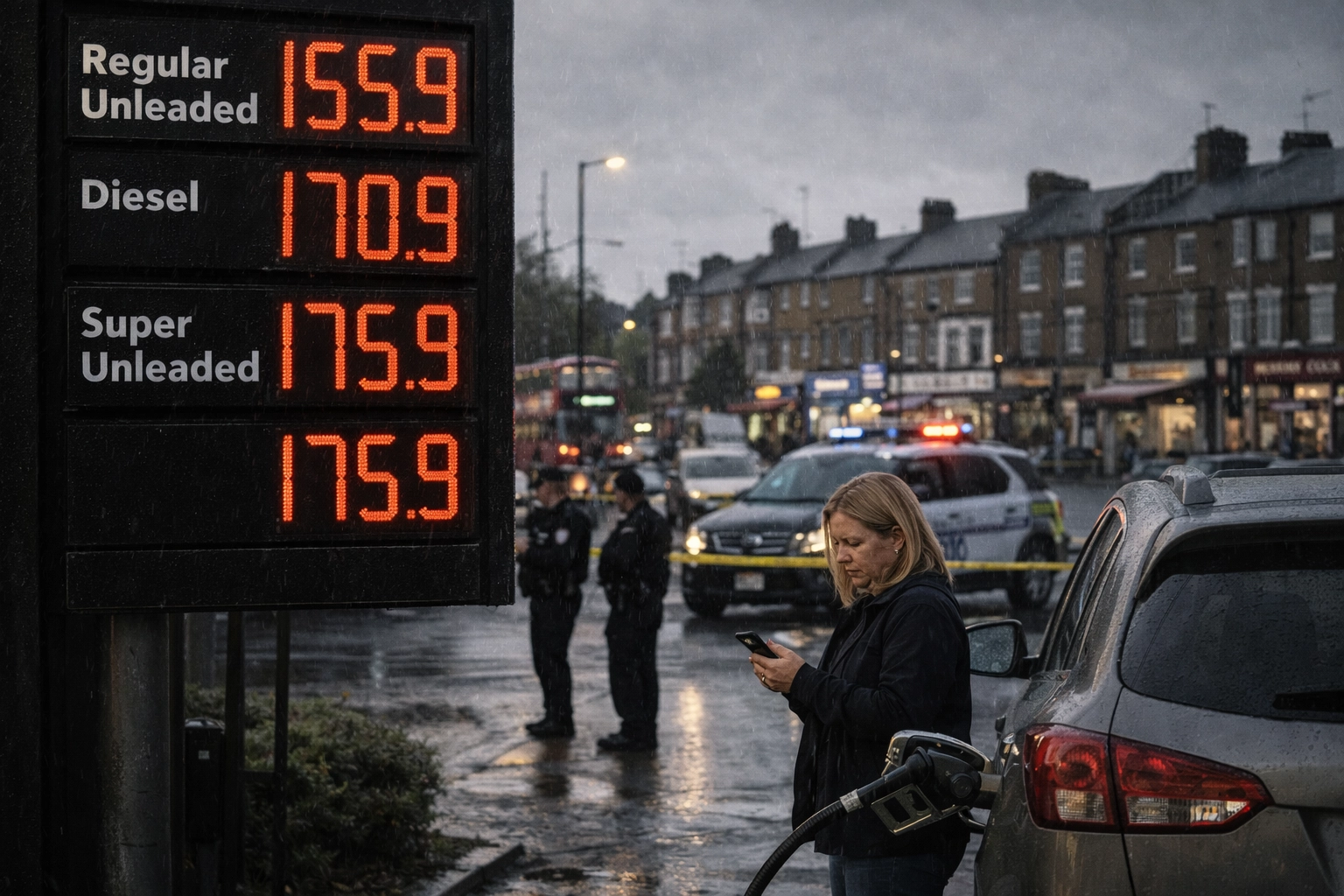
The price of Brent Crude has officially breached the $100 mark, sending a shockwave through the global economy and landing squarely on the desks of policymakers in Whitehall. For the average person in the UK, this isn't just a headline about commodities trading; it is the grim reality of a petrol pump display ticking up faster than they can blink. As the global energy market reels from escalating conflicts, Chancellor Rachel Reeves has moved to signal a significant shift in how the British government handles corporate pricing strategies during a crisis.
The announcement of new "anti-gouging" powers for the Competition and Markets Authority (CMA) marks a turning point in the UK's economic management. The Chancellor is effectively handing the regulator a sharper set of teeth to bite back against what the Treasury describes as "war-driven" price hikes. The narrative is clear: while global factors drive up the cost of raw materials, the government will no longer tolerate businesses using the fog of war to pad their profit margins at the expense of the British consumer.
The legislative hammer and the CMA’s new mandate
The core of the new proposal involves a radical expansion of the CMA’s ability to intervene in real-time. Historically, the regulator has operated on a retrospective basis, launching long-form investigations into market sectors that can take years to conclude. By the time a report is published and recommendations are made, the economic damage to households is often already done. Reeves is looking to change that by granting the authority to issue "Emergency Pricing Orders" when a state of economic emergency is declared, triggered by specific events like the current oil price surge.
These new powers are designed to be surgical. The CMA will have the legal right to demand immediate transparency from firms across the supply chain, from wholesalers to the retailers on the high street. If a company is found to be increasing its prices significantly beyond the increase in its own input costs, the CMA will be empowered to levy heavy fines. We are talking about penalties that could scale up to 10% of global turnover, a figure that is designed to be a genuine deterrent rather than just the "cost of doing business."
There is a gritty reality to this legislative push. In the backrooms of the Treasury, officials are looking at the data from previous spikes and seeing a pattern where "pump prices go up like a rocket and fall like a feather." The new mandate is intended to force the feather to drop faster. It’s about ensuring that when the wholesale cost of oil eventually dips, the savings are passed on to the consumer immediately, rather than being absorbed into the balance sheets of energy giants and supermarket forecourts.
The $100 barrel and the mechanics of greedflation
The timing of this move is no coincidence. With oil hitting $100, the psychological and economic pressure on the UK is immense. High energy costs act as a regressive tax, hitting the lowest earners the hardest while simultaneously driving up the cost of everything from food production to logistics. The government is particularly concerned about "greedflation": the phenomenon where companies raise prices under the guise of inflation to increase their profit margins. By framing these new powers around "war-driven" hikes, the Chancellor is drawing a moral line in the sand.
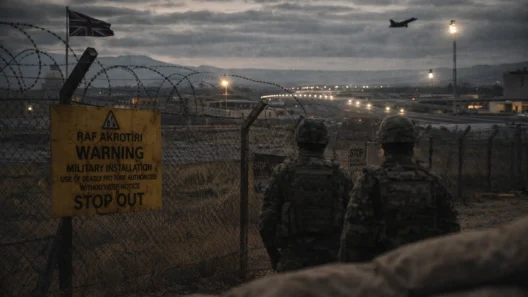
The global landscape in early 2026 is fraught with instability. Conflict in the Middle East has constricted supply lines, and the transition to green energy remains in a volatile middle ground where fossil fuel dependency still dictates the daily rhythm of the economy. In this environment, the $100 barrel is a catalyst for opportunistic pricing. The CMA’s new toolkit will involve sophisticated data monitoring software that tracks global commodity prices against retail prices in real-time, flagging anomalies that suggest gouging is taking place.
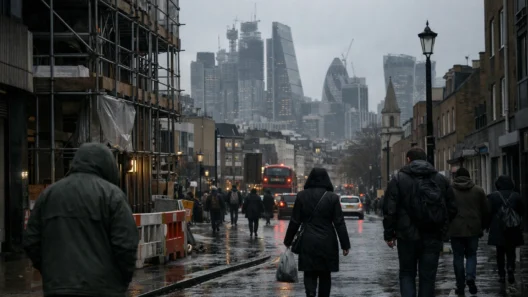
For the business community, this move is met with a mix of trepidation and outright hostility. Industry bodies argue that "anti-gouging" is a vaguely defined term that could lead to government overreach and price controls by the back door. They claim that in a free market, prices should be determined by supply and demand, not by a regulator with a spreadsheet. However, the political reality is that the public has little sympathy for corporations reporting record profits while families struggle to heat their homes or fill their cars. The "gritty" photography of empty shop shelves and struggling high streets serves as a constant reminder of the stakes involved.
Protecting the British pocketbook in a volatile era
Ultimately, the success of these anti-gouging powers will be measured at the till. The government is betting that by making an example of a few high-profile offenders, they can create a chilling effect across the entire retail landscape. It is a gamble that relies on the CMA being able to act with speed and precision, avoiding the bureaucratic quagmire that has slowed it down in the past. Reeves has promised that the regulator will be "well-resourced and ready to act," but the scale of the task is monumental given the thousands of businesses operating in the UK.
There is also a broader political objective here. The Labour government is keen to show that it is on the side of the "working person" during a period of sustained economic hardship. By taking a hardline stance against corporate "profiteering," they are attempting to reclaim the narrative around the cost-of-living crisis. It is a tough, pragmatic approach to a problem that has plagued the UK for several years, moving away from soft requests for "restraint" to the hard reality of legal enforcement and financial penalties.
As we move deeper into 2026, the battle over pricing will likely become one of the defining features of the domestic political landscape. If the $100 barrel of oil stays, the pressure on the CMA to use its new powers will be relentless. Consumers will be watching closely, and any perceived failure to act will be met with a harsh reaction at the ballot box. For now, the message from the Treasury is clear: the era of unchecked price hikes in times of crisis is over, and the regulator finally has the tools to make that stick.