



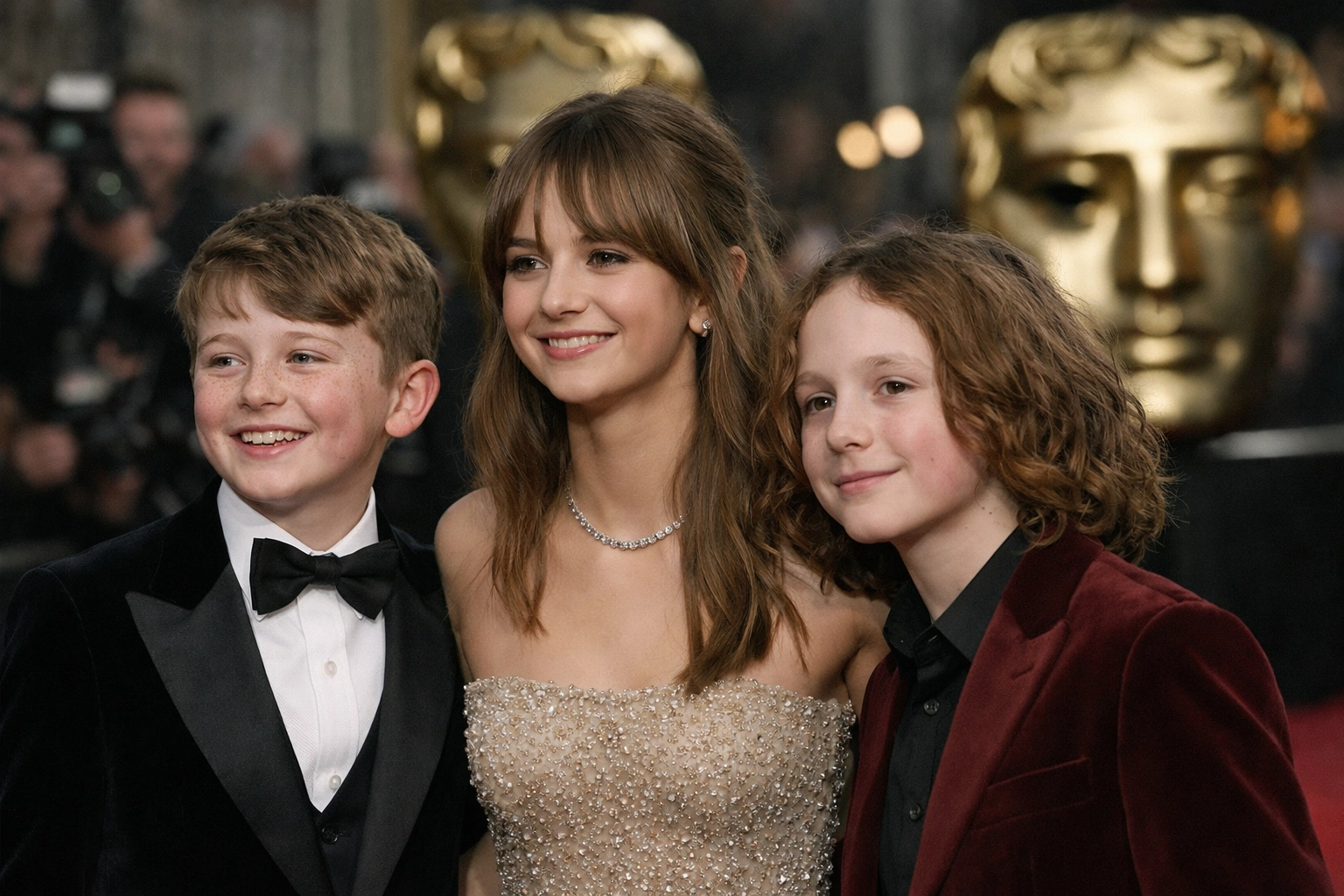
The 2026 BAFTA Television Awards nominations have been officially unveiled, with the harrowing limited drama Adolescence emerging as the clear frontrunner. The series, which has captivated audiences with its raw portrayal of youth and systemic failure, secured a total of 11 nominations across various categories. This tally places the production at the summit of this year’s honours, reflecting a significant year for gritty, realist storytelling in British broadcasting.
Securing five acting nominations alone, the series has demonstrated a rare level of ensemble strength that has resonated with the British Academy’s voting members. Leading the charge is Stephen Graham, whose performance has been widely cited as a career-defining turn in a career already marked by high-intensity roles. He is joined in the acting categories by Erin Doherty, Owen Cooper, Ashley Walters, and Christine Tremarco, marking a comprehensive sweep of the performance brackets for a single production.
The dominance of Adolescence suggests a continued appetite for social realism and high-stakes personal drama within the UK television landscape. Industry analysts have noted that the 11 nominations reflect not just the quality of the performances but also the technical rigour of the production itself. The show’s inclusion in the Best Limited Drama category cements its status as the definitive television event of the past twelve months.
A dominant force in the 2026 limited drama category
The success of Adolescence is not an isolated incident but rather the culmination of a broader trend in British television that prioritises uncomfortable truths over escapist narratives. The series, which delves into the complexities of the justice system and the transition from childhood to maturity under extreme pressure, has been praised for its uncompromising script and visual style. The nomination for Best Limited Drama is seen by many as the most prestigious of its 11 nods, placing it ahead of several big-budget international co-productions.
Stephen Graham’s nomination for his role in the series adds to his extensive history with the Academy. His involvement as both a lead actor and an executive producer highlights the shifting power dynamics in the industry, where established talent is increasingly taking control of the creative direction of their projects. The inclusion of Owen Cooper and Ashley Walters in the supporting categories further illustrates the depth of the show’s casting, providing a platform for both emerging talent and seasoned veterans.
The technical achievements of the series were also recognised by the Academy, though the primary focus remains on its narrative impact. Adolescence managed to navigate the crowded field of 2025-2026 releases by maintaining a consistent tone of urgency. It competed against a diverse array of content, ranging from high-concept science fiction to traditional period pieces, yet its focus on the "here and now" of British life appears to have given it the competitive edge required to lead the nominations table.
The broader impact of these nominations will likely be felt in the commissioning offices of major broadcasters. When a single show commands 11 nominations, it sends a clear signal regarding the type of content that achieves both critical acclaim and cultural relevance. Broadcasters are expected to double down on similar "prestige realism" projects in the coming year, seeking to replicate the formula of high-calibre acting paired with socially conscious themes.
Dual nominations and the depth of British acting talent
One of the most striking features of the 2026 nominations list is the presence of double-recognised talent. Aimee Lou Wood and Erin Doherty have both achieved the rare feat of earning two acting nominations in a single year. Doherty’s dual recognition stems from her work in Adolescence and her separate contributions to other high-profile projects, showcasing a versatility that has made her one of the most sought-after actors in the UK.
Aimee Lou Wood’s inclusion in multiple categories highlights a similar trajectory, as she moves beyond the comedic roles that first brought her to prominence into more complex, dramatic territory. The Best Actress field is particularly competitive this year, featuring a line-up that includes Jodie Whittaker, Narges Rashidi, Sheridan Smith, and Siân Brooke alongside Wood and Doherty. This density of talent underscores a "golden age" for female-led drama in Britain, where roles are increasingly written with significant psychological depth.
The Academy’s decision to recognise these performers twice in one cycle is a testament to the sheer volume of high-quality output currently being produced. It also points to a trend where top-tier actors are no longer tethered to a single long-running series but are instead moving fluidly between limited series, anthology projects, and recurring roles. This fluidity has allowed for a more vibrant exchange of creative energy across different genres and production houses.
Beyond the headline names, the acting nominations also reflect a commitment to discovering and elevating new voices. Owen Cooper’s recognition for Adolescence is a prime example of the BAFTAs highlighting a breakthrough performance that might otherwise have been overshadowed by more established stars. This balance between "bankable" names and fresh talent is essential for the long-term health of the British acting pool, ensuring that the pipeline of talent remains robust.
The presence of Ashley Walters in the nominations also signals a continued appreciation for actors who have helped define the modern era of British crime and social drama. Walters, known for his work in Top Boy, continues to be a staple of high-quality UK television, bringing a grounded authenticity to every project he touches. His nomination alongside his Adolescence co-stars reinforces the idea that the show was a true ensemble effort, rather than a vehicle for a single star.
The rise of high-stakes entertainment and period epics
While Adolescence holds the majority of the spotlight, other productions have also made significant gains in this year’s race. A Thousand Blows, a gritty period drama set in the world of illegal boxing in Victorian London, secured seven nominations. The series has been lauded for its production design and its visceral portrayal of 19th-century urban life, proving that British audiences still have a strong appetite for historical narratives, provided they are delivered with a modern, unflinching lens.
In the realm of non-scripted television, The Celebrity Traitors emerged as the most-nominated entertainment programme. This reflects a wider industry shift where "reality" television is being treated with the same production value and critical seriousness as scripted drama. Claudia Winkleman’s nomination for Best Entertainment Performance is a nod to her central role in the show's psychological tension, which has turned a simple game of deception into a national talking point.
The inclusion of high-concept entertainment alongside heavy-hitting dramas shows the Academy's attempt to represent the full spectrum of British viewing habits. While limited dramas like Adolescence provide the moral and social weight, shows like The Celebrity Traitors represent the evolution of the shared viewing experience. In an age of fragmented streaming, these programmes have managed to create "watercooler moments" that transcend individual demographics.
The nominations also highlight the ongoing battle between traditional terrestrial broadcasters and global streaming giants. While many of the nominated shows were produced in collaboration with international platforms, their DNA remains firmly British. The success of these shows on the world stage has bolstered the UK’s reputation as a global hub for content creation, with the BAFTA nominations serving as the ultimate domestic seal of approval.
As the industry prepares for the awards ceremony, the focus remains on whether Adolescence can convert its 11 nominations into wins. History has shown that being the most-nominated show does not always guarantee a clean sweep, especially when facing stiff competition from the likes of A Thousand Blows and a very strong field of individual performers. Regardless of the final outcome, the 2026 nominations have already defined the year as one where British television refused to look away from the complexities of the modern world.
The debate over the winners will likely continue right up until the envelopes are opened. For now, the nominations stand as a snapshot of a creative industry that is thriving despite economic pressures and changing technology. The emphasis on high-quality writing and exceptional acting suggests that while the medium of delivery may change, the demand for compelling storytelling remains constant.