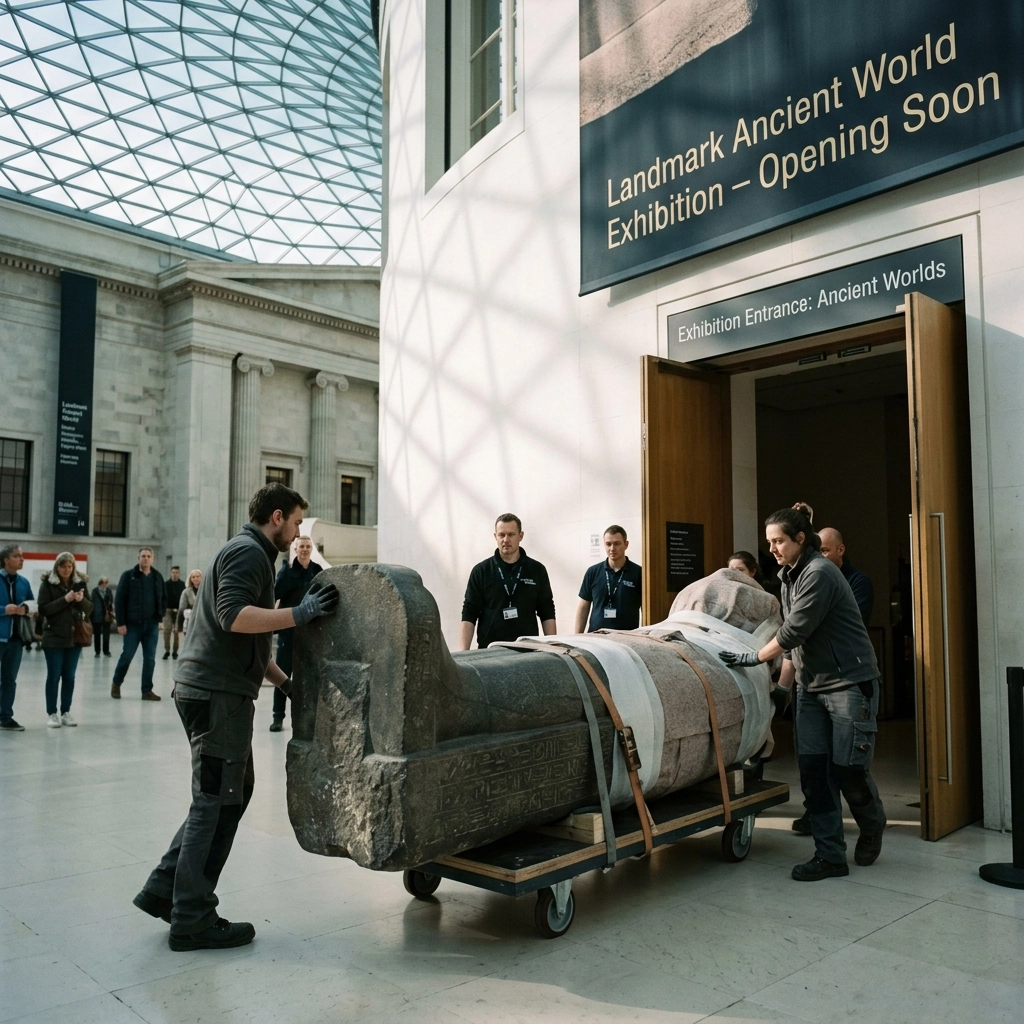
The British Museum in London continues to serve as a premier global hub for historical exploration, unveiling a series of major exhibitions for the 2026 season. These showcases offer a profound look into the civilisations that shaped our modern world, from the banks of the Nile to the sprawling landscapes of India and the storied history of Japan. As one of the most visited cultural institutions in the United Kingdom, the museum's commitment to presenting diverse narratives is evident in its latest curated programmes.
The 2026 calendar is particularly significant, marking a shift towards more collaborative international efforts. By partnering with global institutions, the museum provides a platform for shared heritage and cross-cultural understanding. Visitors this year can expect a journey through time that challenges previous historical biases and highlights the interconnected nature of human development across different continents.
The Golden Age of the Kushite Kingdom
One of the most anticipated highlights of the current season is the exhibition dedicated to the Kushite Kingdom, which opened in mid-January and is scheduled to run until late May 2026. This landmark display focuses on one of the most powerful and expansive empires of the ancient world, which flourished in the region of modern-day Sudan nearly 3,000 years ago. Often overshadowed in traditional Western education by their northern neighbours in Egypt, the Kushites were a formidable force who eventually rose to rule Egypt as the 25th Dynasty, famously known as the "Black Pharaohs."
The exhibition features an extraordinary collection of artefacts, including intricately carved statues, golden jewellery, and ceremonial pottery. These items illustrate the wealth and sophistication of the Kushite court at its heights in Kerma, Napata, and Meroe. A central theme of the display is the Kushite mastery of ironworking and their unique architectural achievements, such as the steep-sided pyramids of Meroe. Unlike the more famous pyramids of Giza, these structures served as burial sites for hundreds of years, long after the Egyptian pyramid-building tradition had waned.
Scholars at the British Museum have worked closely with Sudanese archaeologists to ensure the narrative is told with cultural authenticity. The exhibition explores how the Kushite civilisation maintained its distinct identity while engaging in extensive trade and cultural exchange with the Mediterranean and the Near East. By showcasing the Meroitic script: a writing system that remains largely undeciphered: the museum highlights the enduring mysteries of this great African empire. This focus on Sudan’s rich history provides a necessary expansion of the traditional ancient world narrative, offering visitors a more complete picture of African contributions to global civilisation.
Bridging Cultures through Divine Sculptures
In an ambitious co-curated display titled "Mumbai + London: new perspectives on the ancient world," the British Museum has joined forces with India's Chhatrapati Shivaji Maharaj Vastu Sangrahalaya (CSMVS) museum. This partnership, which has been developing since 2023, reaches a new peak in 2026. The exhibition examines ancient sculptures from Egypt, India, and the Mediterranean, focusing specifically on how different societies visualised and depicted their deities. This comparative approach allows visitors to see the striking similarities and fascinating differences in how ancient peoples imagined the divine.
The display features a range of masterpieces, including stone carvings of Hindu deities alongside bronze statues of Egyptian gods and marble figures from the Greco-Roman world. By placing these objects in conversation with one another, the curators highlight universal themes of protection, fertility, and cosmic order. For instance, the exhibition compares the iconography of the Indian goddess Durga with the Egyptian goddess Sekhmet, exploring how both cultures utilised feline imagery to represent fierce, protective power.
This project is more than just a temporary exhibition; it represents a long-term commitment to sharing resources and expertise between the UK and India. The collaboration involves joint research, conservation efforts, and educational programming designed to engage audiences in both London and Mumbai. As the exhibition moves toward its next phase in India later this year, it stands as a testament to the power of international cultural diplomacy. It encourages a move away from Eurocentric perspectives, instead fostering a global dialogue that acknowledges the sophisticated artistic and philosophical traditions of South Asia and North Africa on equal footing.
The Evolution of the Samurai Warrior
Shifting focus to East Asia, the British Museum unveiled a major samurai exhibition in February 2026, offering an exhaustive look at the history and legacy of Japan's elite warrior class. Spanning over a millennium, the display features around 280 carefully selected artefacts that chart the transition of the samurai from provincial fighters to the political and cultural leaders of Japan. This exhibition is particularly notable for its breadth, moving beyond the popular image of the warrior to explore the intellectual and artistic pursuits that defined the samurai identity.
The centrepiece of the exhibition is a stunning collection of armour and weaponry. Visitors can observe the technological evolution of the katana and the intricate craftsmanship of the kabuto (helmets), which often featured flamboyant designs intended to intimidate enemies on the battlefield. However, the exhibition also places significant emphasis on the samurai's role during the peaceful Edo period. During this time, many warriors transitioned into roles as bureaucrats, scholars, and patrons of the arts. This shift is illustrated through delicate woodblock prints, ceramics used in tea ceremonies, and examples of sophisticated calligraphy.
Through these objects, the museum tells a story of a class that was as much defined by a code of ethics and aesthetic refinement as it was by military prowess. The exhibition also addresses the enduring influence of the samurai in modern global culture, from cinema to literature. By grounding these popular modern interpretations in historical reality, the British Museum provides a nuanced understanding of a group that has often been romanticised or misunderstood. The inclusion of clothing and everyday items provides a domestic context, showing how the families of samurai lived and how their social status was maintained through generations.
The current exhibitions at the British Museum represent a significant effort to broaden the horizons of history.
By focusing on the Kushite Kingdom, the cross-cultural representations of the divine, and the multifaceted history of the samurai, the museum provides a comprehensive look at the human experience across different eras and geographies. These displays not only showcase the technical skills and artistic brilliance of ancient civilisations but also prompt reflection on the shared values and aspirations that connect us across time.
As these landmark exhibitions continue throughout 2026, they offer an invaluable resource for education and cultural enrichment in London. The museum’s move toward collaborative curation and diverse storytelling ensures that it remains a vital institution in an increasingly interconnected world. For those interested in the arts and history, the current season provides an unparalleled opportunity to witness some of the most significant treasures of the ancient world brought together under one roof. Through these carefully preserved artefacts, the voices of the past continue to resonate, offering insights into the foundations of our collective heritage.