It is not every day that we get to talk about a win that has been decades in the making, but today is one of those days. If you have been following the news lately, you might have caught a glimpse of a story that feels like it belongs in a history book rather than a 2026 news cycle. We are talking about the Chagos Islands. For the displaced Chagossian community, a recent court ruling has finally cracked open a door that had been slammed shut and triple-locked for over fifty years. A ban on living on the outer Chagos Islands has been overturned, and for the families who were heartlessly forced out, this is the victory they have been praying for.
At NowPWR, we love digging into these untold stories. It is part of our mission as a source for independent news UK can rely on to look past the surface and see the human lives affected by high-level political games. The Chagos saga is one of the most striking examples of how a small community can be caught in the gears of global strategy, and how, through sheer grit, they can actually start to win.
The heartbreaking reality of the forced eviction
To understand why this court victory is such a big deal, we have to look back at what actually happened between 1965 and 1973. It is a bit of a dark chapter in British history, to be honest. Imagine living in a tropical paradise: your family has been there for generations, you have your own culture, your own dialect, and a life built around the coconut plantations and the sea. Then, almost overnight, you are told you have to leave.
The UK government at the time made a deal with the US to set up a military base on Diego Garcia, the largest island in the archipelago. But instead of just moving the people on that one island, they decided the whole archipelago needed to be "cleared." To make this legal under international law, the British authorities basically lied. They claimed that there were no permanent inhabitants on the islands, only "transient contract workers."
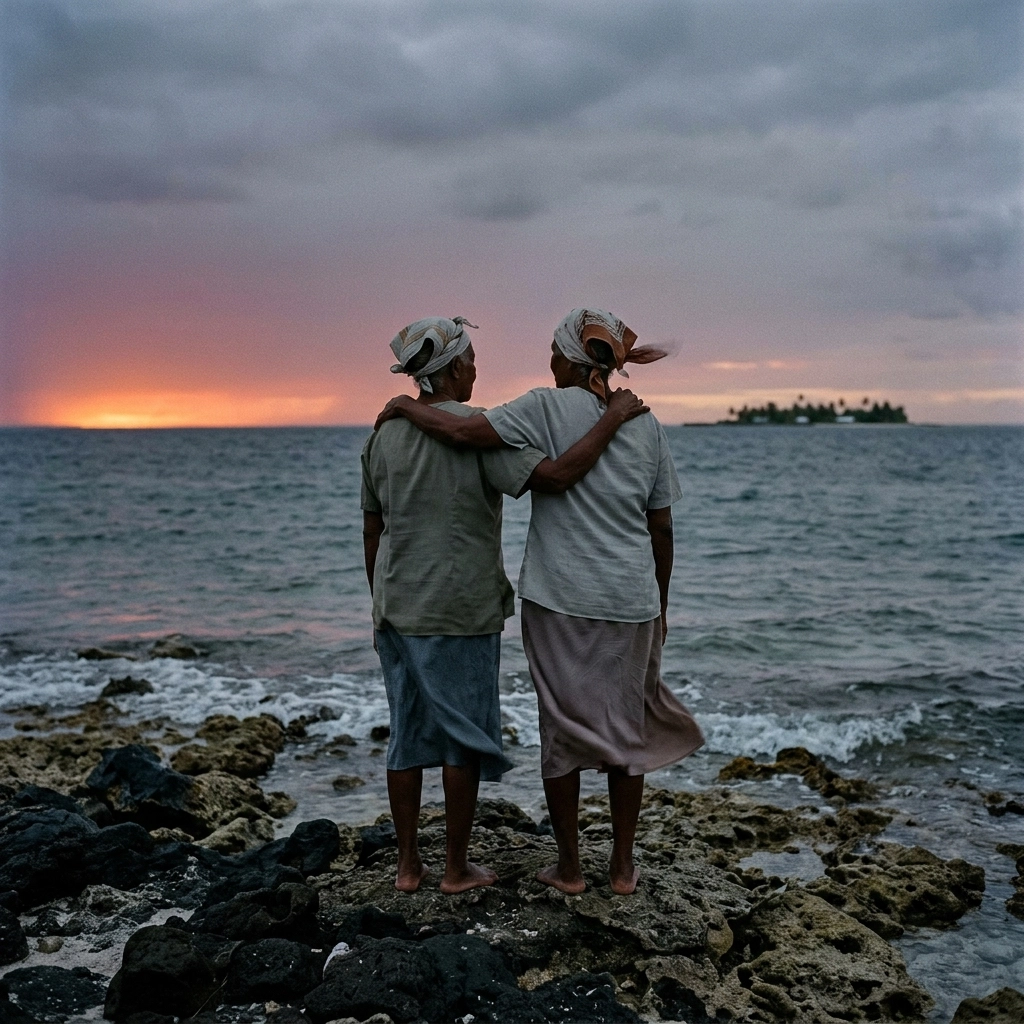
In reality, around 2,000 people called those islands home. Many were the descendants of enslaved people from Madagascar and Mozambique who had been brought there centuries earlier. The way the eviction was handled was nothing short of cruel. Supplies were cut off, food became scarce, and in one of the most traumatic moves, the British authorities ordered the pets of the islanders to be gassed. It was a clear message: you aren’t coming back. The people were eventually packed onto ships and dropped off in Mauritius and the Seychelles, often with nothing but a single suitcase and the clothes on their backs. They went from being self-sufficient islanders to living in extreme poverty in foreign slums, treated like second-class citizens.
A David and Goliath battle in the courts
For fifty years, the Chagossian people didn't just sit back and accept their fate. They fought. They took the UK government to court over and over again, facing a wall of bureaucracy and "national security" excuses. It has been a classic David and Goliath situation. The UK kept insisting that the islands were vital for global security and that returning was simply impossible.
However, the tide started to turn recently. In October 2024, there was a massive announcement that the UK had agreed to return sovereignty of the islands to Mauritius. While that was a huge symbolic win, there was still a massive catch: the right to actually live there. That is where this latest court ruling comes in. By overturning the ban on living on the outer islands: the ones away from the military base on Diego Garcia: the legal system has finally acknowledged that these people have a fundamental right to go home.
This is exactly the kind of independent news UK readers need to hear about because it shows that even the most powerful governments aren’t above the law. For years, this was one of those untold stories that stayed on the fringes of the mainstream media. But the persistence of the Chagossian community, supported by human rights lawyers and activists, has proven that you can’t just erase a people from the map and expect them to stay quiet. This ruling isn't just about a bit of land; it is about the restoration of dignity and the correction of a massive historical wrong.
What returning home actually looks like for the community
So, what happens now? It is one thing for a court to say you are allowed to live on an island, but it is another thing entirely to actually move back to a place that has been abandoned for half a century. The outer islands like Peros Banhos and Salomon are beautiful, but they are also wild. There are no houses, no electricity, no running water, and no hospitals. The plantations that used to sustain the economy are long gone, reclaimed by the jungle.
The logistics of resettlement are going to be a massive challenge. Many of the original islanders are now elderly, and their children and grandchildren have grown up in the UK, Mauritius, or the Seychelles. For some, the return will be a permanent move to reclaim their heritage. For others, it might be about having a seasonal home or starting small eco-tourism businesses to keep the islands sustainable.
There is also the question of who pays for it. After fifty years of forced exile and the resulting poverty, the Chagossian community shouldn't be expected to fund the rebuilding of their own society. There is a strong argument that the UK and the US owe a massive debt of reparations to help build the infrastructure needed for a viable community. It is a complex situation, and there are still plenty of hurdles to jump, but for the first time in a generation, the conversation has shifted from "if" they can return to "how" they will return.
It is a bittersweet victory in many ways. A whole generation has passed away without ever seeing their white-sand beaches again. But for the survivors and the youth who have kept the culture alive through music, food, and stories, this is a new beginning. It is a reminder that justice might be slow: painfully slow: but it isn't impossible.
As we look at the Chagos Islands today, we see more than just a tropical archipelago. We see a symbol of resilience. This is one of those untold stories that finally has a hopeful chapter. At NowPWR, we’ll be keeping a close eye on how the resettlement unfolds, because the fight for the Chagos Islands is far from over: it’s just entering a much more exciting phase.
The world is watching to see if the UK will truly honour this ruling and help these families finally find their way back home. After everything they have been through, they deserve nothing less than a smooth journey back to the shores they never should have been forced to leave. It’s a win for human rights, a win for international law, and most importantly, a win for a community that refused to be forgotten. Stay tuned, because this journey is just getting started.