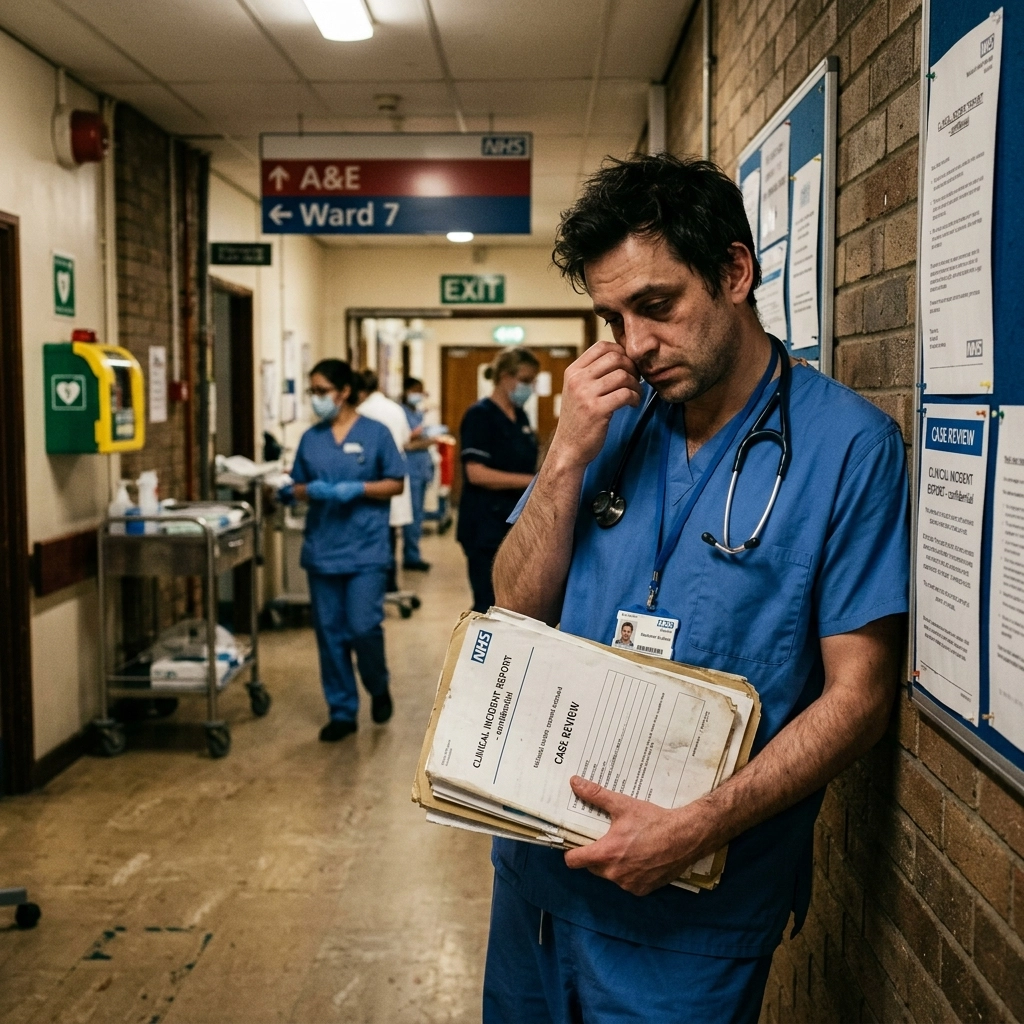
The National Health Service is often described as the crown jewel of British public life. We rely on it from the moment we are born until our final days, and for the most part, the care provided by dedicated doctors and nurses is nothing short of heroic. However, behind the scenes of busy wards and overstretched A&E departments, a financial crisis is brewing that has very little to do with the price of medicine or the cost of new equipment. Clinical negligence: the legal term for when medical care falls below an acceptable standard and causes harm: is quietly draining the NHS of billions of pounds every single year.
It is a difficult subject to tackle. On one hand, patients who have suffered life-altering injuries due to genuine mistakes deserve support and compensation. On the other hand, the sheer scale of the money flowing out of the healthcare system and into legal fees and settlements is reaching a breaking point. As we look at the landscape of independent news uk, it becomes clear that while the headlines often focus on wait times and staff strikes, the "hidden" liability of clinical negligence is an untold story that needs urgent attention. The numbers aren't just big; they are staggering. Over the last two decades, the annual cost of settling these claims has more than tripled. We are no longer talking about a minor budgetary leak; we are looking at a systemic flood that threatens the long-term sustainability of the service we all cherish.
The Eye-Watering Figures Behind the Crisis
When we talk about the financial health of the NHS, we usually think about government funding packages and annual budgets. But there is a secondary balance sheet that is far more alarming. Currently, the total liability for clinical negligence claims stands at a massive £60 billion. To put that in perspective, that is roughly a third of the entire annual health and social care budget for the country. This isn't money that has already been paid out; it is a "provision": a giant pot of money that the government has had to set aside to cover the estimated costs of harm that has already occurred.
The trajectory of these costs is particularly worrying. Back in the 2006-07 financial year, the cost of settling claims was around £1.1 billion. By the 2024-25 period, that figure has rocketed to £3.6 billion. If things continue at this rate, projections suggest we could be looking at annual payments of over £4.1 billion by the end of the decade. The strange thing is that this isn't necessarily because NHS staff are making more mistakes. In fact, the actual volume of claims peaked back in 2016-17 and has remained relatively stable since then. The real driver is the rising value of a small number of very complex claims, particularly those involving birth injuries that require lifelong, 24-hour care.
While the compensation itself is intended to help victims, a significant portion of this money never actually reaches the patients. In the 2023-24 period, about 20% of the total compensation paid out: roughly £536 million: went directly to legal fees. This is one of those untold stories that rarely makes it into the mainstream debate. While NHS legal costs have risen at a relatively modest rate, the fees charged by claimant lawyers have exploded. We are effectively seeing a significant chunk of the healthcare budget being diverted into the pockets of the legal profession, rather than being used to improve patient outcomes or support those who have been harmed.
Redirecting Funds from Frontline Care
The real tragedy of these rising costs is the opportunity cost. Every pound spent on a legal battle or a settlement is a pound that isn't spent on a new nurse, a life-saving surgery, or a mental health bed. When we look at the £411 million spent annually on legal fees alone, the impact on frontline services is easy to calculate. That money could fund approximately 17,000 new nurses or pay for 24,000 kidney transplants every single year. In an era where the NHS is constantly crying out for more resources, seeing hundreds of millions of pounds disappear into a complex and often adversarial legal system is a tough pill to swallow.
For those of us following independent news uk, the focus is often on why the system is so slow to change. The human dimension of this is equally troubling. The current system for handling negligence is built on a "blame and claim" culture that often forces families into years of litigation before they receive any help. Instead of an open, honest conversation about what went wrong, the process often becomes defensive. This delay doesn't just cost money; it costs wellbeing. Patients and their families frequently report that the process of seeking accountability is confusing, frustrating, and emotionally draining.
Furthermore, the systemic drain extends beyond the direct payments. There is a massive administrative burden involved in investigating these claims. Doctors and managers are pulled away from their primary duties to provide evidence, review charts, and attend hearings. This creates a "defensive medicine" culture where clinicians may become more focused on ticking boxes to avoid litigation than on the creative and compassionate care that the NHS is known for. When the fear of a lawsuit hangs over every decision, the quality of care can paradoxically suffer, leading to even more potential for the very errors the system is trying to compensate for.
A System Built on Delay and High Stakes
So, why hasn't the government stepped in to fix this? This is where the story gets complicated. There have been various consultations and proposals over the years aimed at "tort reform": changing the way we handle medical negligence to make it faster, fairer, and cheaper. However, meaningful action has been slow to materialise. One of the biggest hurdles is the "backlog" of claims. Nearly 40% of the current £60 billion liability represents harm that has already happened but for which a claim hasn't even been filed yet. It’s a ticking time bomb on the government’s balance sheet.
The current legal framework in the UK is designed to restore a person to the position they would have been in had the negligence not occurred. While this is a noble goal, the way it is calculated: often involving private care costs rather than NHS-provided care: means the settlements for the most serious cases are reaching tens of millions of pounds per person. Without a cap on certain types of damages or a shift toward an administrative compensation scheme (similar to those used in some Nordic countries), the costs will likely continue to spiral. These are the untold stories of policy failure that keep the NHS in a state of perpetual financial anxiety.
The government’s response has largely been to "set aside" the money and hope that internal safety improvements will eventually lower the number of errors. While patient safety initiatives are vital, they don't address the historical liability or the spiralling legal costs associated with existing claims. There is a growing call for a radical rethink of how we handle medical harm: moving away from a system that enriches lawyers and toward one that prioritises immediate support for the injured and rapid learning for the healthcare system. Until the government prioritises these reforms, the "hidden cost" of clinical negligence will continue to be a primary driver of the NHS's financial struggles, regardless of how much extra funding is poured into the frontline. For readers interested in independent news uk and untold stories, this remains a crucial example of how major structural pressures can sit in plain sight while drawing too little public attention.
The financial burden of clinical negligence represents a significant challenge to the future of the NHS. With billions of pounds diverted from patient care and a total liability that continues to grow, the need for systemic reform has never been more pressing. While ensuring justice for harmed patients is essential, the current adversarial legal model appears to be an increasingly inefficient way of achieving that goal. Balancing the rights of the individual with the needs of a publicly funded health service remains one of the most complex and urgent issues facing policymakers today. Balancing these competing interests will require more than just money; it will require a fundamental shift in how the UK handles medical error and accountability.