As the spring of 2026 settles over the United Kingdom, a familiar letter has been landing on doormats from Penzance to Perth. For many, it is a source of significant financial anxiety. Council tax bills are rising, but the amount people are paying: and what they are getting in return: seems to depend less on their income and more on the luck of the draw. This phenomenon, often referred to as the postcode lottery, has reached a breaking point this year, highlighting a deep-seated regional funding divide that many feel has been ignored for far too long.
At NowPWR, we believe in providing independent news uk that looks beyond the surface. We are committed to sharing untold stories that impact everyday lives, and there is perhaps no story more pressing right now than the widening gap in local government finance. While the headlines often focus on national debt or global trade, the reality for most citizens is shaped by the bin collections, road repairs, and social care services funded by their local council. In 2026, the disparity between wealthy boroughs and struggling districts has never been more apparent.
The system we use today is largely based on property valuations from 1991. It is a startling fact that, thirty-five years later, our tax bands are still tied to what a house was worth in the early nineties. This stagnation has created a bizarre landscape where residents in some of the most affluent parts of London pay significantly less than those in post-industrial towns in the North of England or the Midlands. It is a system that feels increasingly disconnected from the economic realities of 2026.
The 2026 Reality: Why Your Postcode Dictates Your Bill
To understand the funding divide, we have to look at how councils actually get their money. It is a mix of central government grants, business rates, and council tax. Over the last decade, central government grants have been squeezed, leaving local authorities to rely more heavily on council tax. This wouldn't be such a problem if every area had a similar property wealth profile, but they don't.
In wealthier areas, a small percentage increase in council tax generates a massive amount of revenue because the properties are high-value. Conversely, in areas where property prices have remained stagnant or fallen relative to the national average, councils have to hike rates to the maximum allowed just to keep the lights on. This creates a vicious cycle. Lower-income areas end up with higher tax rates to fund essential services, while their residents are often the ones least able to afford the extra cost.
By April 2026, several more local authorities have issued Section 114 notices, effectively declaring themselves bankrupt. When a council reaches this point, they are often forced to raise council tax by even higher margins: sometimes upwards of 10%: while simultaneously cutting services to the absolute legal minimum. This means residents are paying more for significantly less. The structural failures of local governance are laid bare in cases like these. It isn’t just about the money; it’s about the erosion of the social contract.
The regional divide isn't just a North-South issue either. Within regions, there are stark differences between urban centres and rural communities. Rural councils often face higher costs for service delivery: think about the fuel and time required for social workers to visit elderly residents in remote villages compared to a city block. Yet, these rural areas often don't receive the same level of infrastructure support. This creates a different kind of lottery where geography dictates your access to basic dignity.
Social Care and Local Services: The Human Cost of the Gap
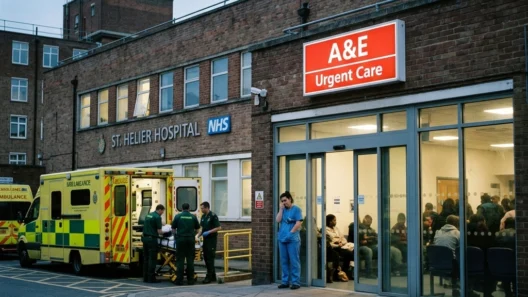
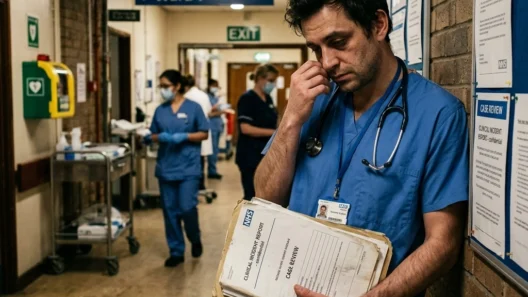
The hidden regional funding divide isn't just a matter of numbers on a spreadsheet; it has a very real human cost. The bulk of council spending now goes towards adult and children’s social care. When a council is underfunded, these are the areas that feel the pressure first. Similar themes of systemic failure can be seen where the breakdown of support structures has devastating effects on the most vulnerable.
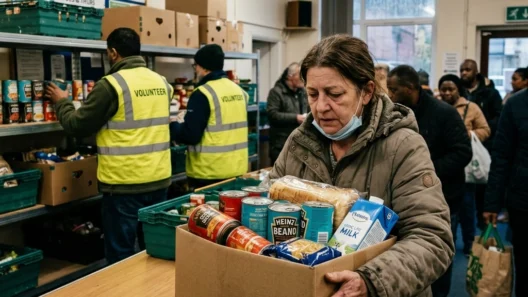
In 2026, the "untold stories" are often found in the quiet closure of a local library, the end of a youth club programme, or the increasing wait times for home care assessments. These services are the glue that holds communities together. When they disappear, the burden often falls on unpaid carers: usually family members: who are already struggling with the cost of living. This creates a secondary economic impact as people are forced to reduce their working hours to fill the gaps left by the state.
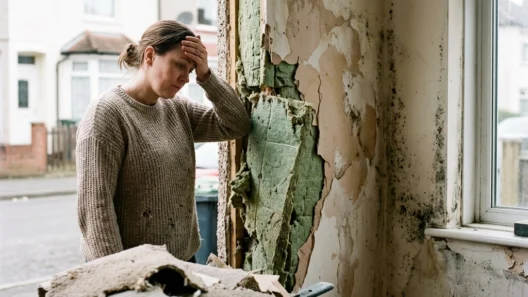
Furthermore, the funding divide affects local pride and environment. In well-funded areas, parks are manicured, streets are clean, and community events are frequent. In underfunded areas, fly-tipping becomes more common as waste centres reduce hours or introduce fees, and potholes remain unfilled for months. This environmental decline isn't just an eyesore; it affects mental health and property values, further entrenching the regional divide.
The independent news uk landscape has a responsibility to highlight these disparities. It is easy to look at a national average and think everything is fine, but averages hide the extremes. For a family in a Band D property in a struggling Northern town, their council tax might represent a much larger chunk of their disposable income than a family in a similar band in a thriving university city. The unfairness of the 1991 banding becomes even more egregious when you realise that some properties in high-value areas haven't been revalued even after massive renovations or extensions.
Moving Forward: Is There a Fairer Way to Fund Our Future?
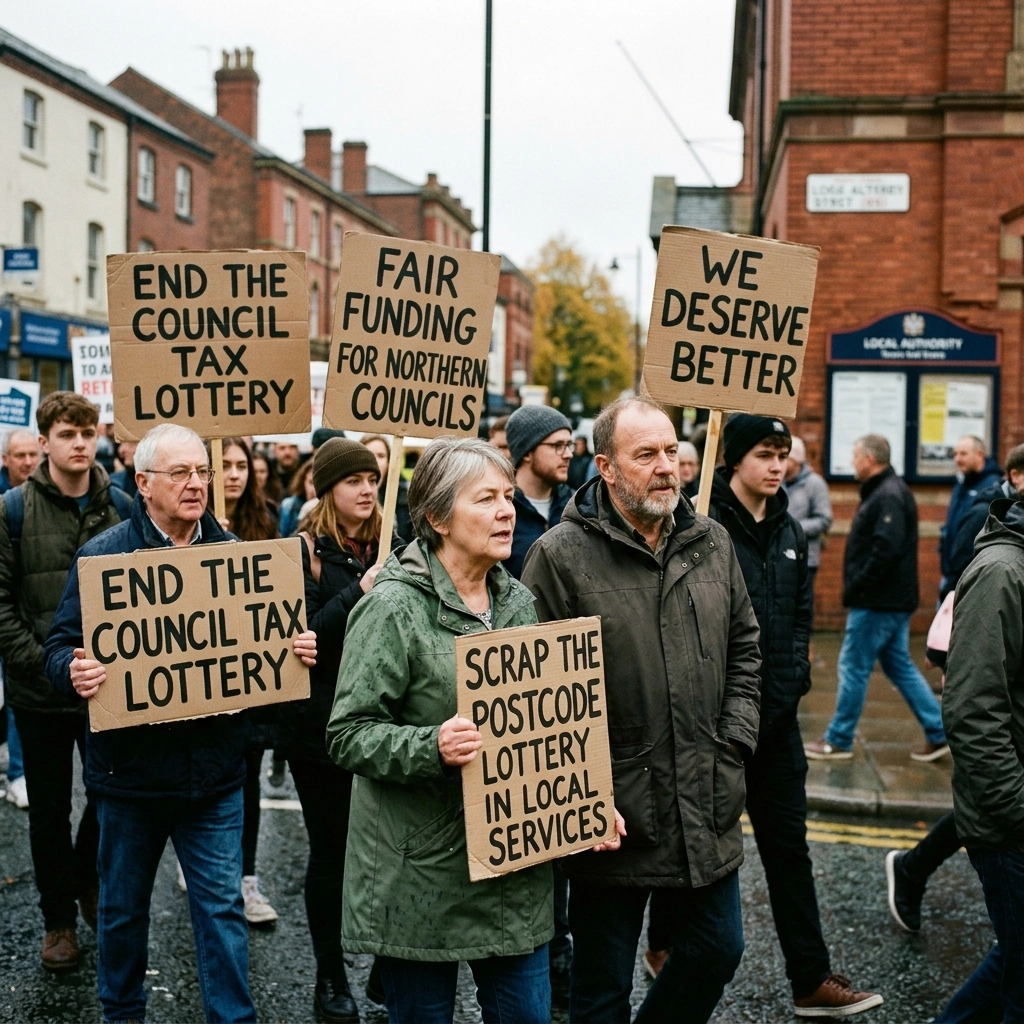
The question on everyone’s mind as we navigate 2026 is: how do we fix it? There have been calls for a total overhaul of the council tax system for years, yet successive governments have been hesitant to touch it, fearing the political fallout of a revaluation. However, the current "lottery" is becoming politically untenable. Protests and "can't pay" movements are gaining traction in the hardest-hit areas, pushing local funding to the top of the national agenda.
One proposed solution is the introduction of a proportional property tax, which would be based on up-to-date property values and updated annually. This would theoretically lower bills for the majority of households while asking those in the most expensive properties to pay a bit more. Others suggest a local income tax, which would shift the burden from property to earnings, ensuring that those with the broadest shoulders carry the heaviest load.
There is also a growing movement for greater devolution. If regions had more control over how they raised and spent their money, they could tailor their approach to their specific needs. However, devolution without adequate "levelling up" funds just risks handing over the keys to a house that is already on fire. For real change to happen, there needs to be a fundamental shift in how we value local services at a national level.
As we continue to follow these untold stories, it’s clear that the council tax lottery is a symptom of a much larger problem: a country that is increasingly divided by its geography. Whether through reform of the tax system or a massive reinvestment in local government, the divide must be addressed. Until then, the lottery continues, and for many, the prize is a bill they simply cannot afford to pay.
The regional funding divide in the UK is a complex issue rooted in decades of policy decisions and economic shifts. The 2026 council tax increases have served as a catalyst for a broader conversation about fairness, local identity, and the role of the state. While the solutions are not simple, the first step is acknowledging the depth of the disparity and the impact it has on the fabric of our society. Transparent, independent reporting remains essential in holding those in power accountable for ensuring that where you live doesn't determine the quality of the life you can lead.