








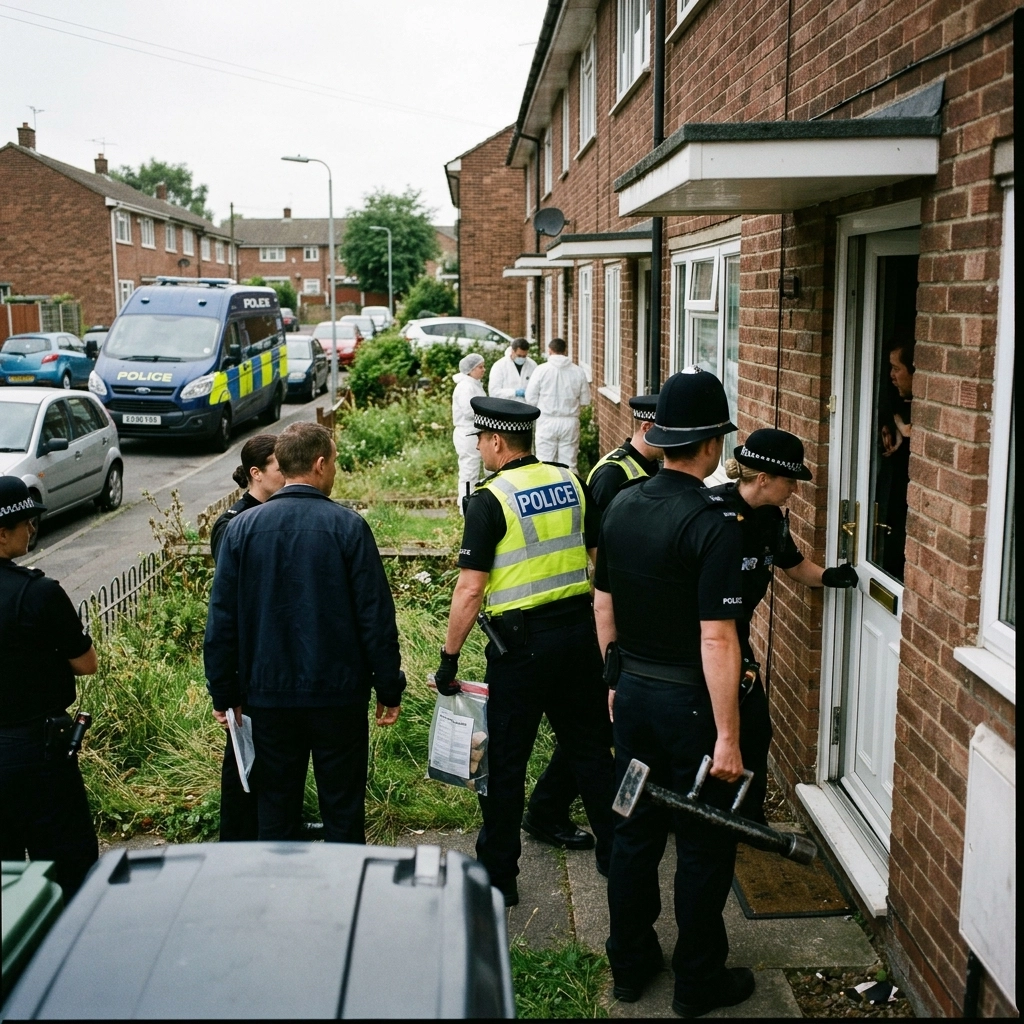
When you think of a police raid on a drug den, the usual suspects come to mind: stacks of cash, plastic baggies, and perhaps a few burner phones scattered across a coffee table. But a recent national crackdown on county lines gangs in the UK has turned up some items that look more like they belong in a heist movie or a high-end jewellery store. We are talking about pure gold bars, gold suitcases, and even sets of gold teeth.
As part of our commitment to providing independent news uk, we’ve been digging into the details of this massive operation. At NowPWR, we believe in sharing the untold stories that lie beneath the surface of the headlines. While the "bling" makes for a flashy story, the reality of what these seizures represent is a deeply complex and often tragic look into the evolution of organised crime in Britain. This wasn't just a lucky find; it was the result of a coordinated, week-long intensive operation that has sent shockwaves through the criminal underworld.
The scale of the operation is staggering. Across the country, police forces successfully closed down 335 drug distribution networks and made over 2,000 arrests. But beyond the numbers, it’s the nature of the items seized that tells us how these gangs are operating in 2026. The gold, the designer gear, and the sheer volume of weapons found suggest a culture that is as much about "clout" and status as it is about profit.
The Logistics of a Record-Breaking Week
The national week of action was described by senior police leads as the "best ever" of its kind. It wasn't just about kicking down doors; it was about dismantling the digital and physical infrastructure that allows county lines to function. For those who might not be familiar with the term, "county lines" refers to the use of dedicated mobile phone lines: "deal lines": to coordinate the distribution of drugs from large urban hubs into smaller towns and rural areas.
During this specific week of action, officers seized nearly 1,200 phones. In the world of county lines, the phone is the most valuable asset. It holds the customer base, the history of transactions, and the direct link between the kingpins and the runners on the street. By taking these phones off the board, police don’t just stop one deal; they effectively "blind" the entire network.
The haul of substances was equally massive. More than 200kg of Class A drugs, including heroin, crack, and cocaine, were taken off the streets, alongside 15,000 cannabis plants. To put that in perspective, officers recovered more than 10,500 "wraps" of Class A drugs ready for immediate sale. The financial impact is significant, with over £1.5 million in cash recovered. However, the discovery of a gold bar worth £13,000 in Maidstone and another worth £37,000 in Barnet suggests that criminals are finding new ways to store their wealth. Instead of keeping bags of cash that are bulky and easy for sniffer dogs to find, they are diversifying into high-value, portable assets like bullion and designer watches.
The weapons seized highlight the constant threat of violence that underpins these operations. Nearly 400 bladed weapons: including machetes, axes, and even swords: were confiscated, alongside 121 firearms. Many of these firearms were "converted," meaning they were originally blank-firing replicas or decommissioned weapons that had been illegally modified to fire live ammunition. This level of firepower shows that while the gangs might be chasing a luxury lifestyle, they are prepared to use extreme violence to protect their territory.
The High Price of Exploitation
While the gold bars and designer goods capture the public's imagination, the human cost of this trade is the real untold story. One of the most heartbreaking statistics from the crackdown was the arrest of more than 200 children, some as young as 14. These kids aren't the masterminds; they are the "runners" used by gangs because they are less likely to draw police attention and are easier to manipulate.
The gangs rely on a tactic known as "cuckooing." This involves taking over the home of a vulnerable person: perhaps someone with mental health issues, a drug addiction, or an elderly resident living alone: and using it as a base for drug operations. During this week of action, police visited 683 suspected cuckooed addresses. It’s a terrifying experience for the residents, who are often bullied, threatened, or bribed into silence.
The police were able to safeguard 1,348 people during the week, including 544 boys and 252 girls under the age of 18. Safeguarding is a crucial part of these operations. It’s not just about making arrests; it’s about identifying the victims who have been coerced into this lifestyle and getting them the support they need to escape. The exploitation often starts subtly, with gangs offering "gifts": trainers, tracksuits, or cash: to young people, only to later demand they "pay back the favour" by transporting drugs across the country.
This cycle of debt and exploitation is how the lines stay active. When one runner is arrested, the gang leaders often view them as an overhead cost rather than a person. This is why the focus on closing the lines themselves: and seizing the assets like the gold and luxury cars: is so important. It hits the "Gaffers" where it hurts: their wallets and their status.
A Shift in the Criminal Playbook
The discovery of gold bars and gold teeth is indicative of a broader shift in criminal culture. Police leads noted that these items are often about "bragging rights." In the age of social media, being able to show off extreme wealth is a recruitment tool. It creates a false image of glamour that masks the reality of sleeping in cold, "cuckooed" flats and facing the constant threat of prison or violence.
However, the tactics are also becoming more sophisticated. County lines are no longer just about moving heroin and crack from London or Liverpool to the coast. The networks are becoming more localised, and the products are changing. Police are now seeing an increase in "cannabis edibles" and even doctored vapes containing ketamine. These products are often branded to look like legitimate sweets or vaping products, making them particularly dangerous to young people who might not realise what they are consuming.
Furthermore, the gangs are expanding into rural areas that previously had little experience with organised drug distribution. This "expansionist" policy means that small villages and quiet market towns are now seeing the same levels of drug-related anti-social behaviour and violence as major cities. The police response has had to adapt, with better intelligence sharing across county borders to ensure that criminals can't simply move a few miles down the road to escape the law.
The recovery of 23 dangerous dogs during the raids also points to a growing trend of using animals for both protection and intimidation. These dogs are often kept in poor conditions and trained to be aggressive, adding another layer of danger for both the public and the officers on the front line. It’s a grim reminder that despite the "gold and glitter," this is a business built on fear.
The success of this operation shows what can be achieved when police forces across the UK work in unison. By closing 335 lines in a single week, the authorities have dealt a massive blow to the infrastructure of these gangs. However, the battle is far from over. As long as there is high demand for these substances and vulnerable people to exploit, the gangs will continue to try and find new ways to operate.
This massive crackdown serves as a vital reminder of the ongoing struggle against organised crime in the UK. The seizure of gold bars and teeth provides a window into the bizarre and flash-obsessed world of gang leaders, but the true victory lies in the hundreds of children and vulnerable adults who were removed from harm's way. The work of dismantling these networks continues, as police evolve their tactics to match the increasingly sophisticated methods used by those who profit from exploitation. Through coordinated action and a focus on both enforcement and safeguarding, the aim remains to make the "business" of county lines as difficult and unprofitable as possible.