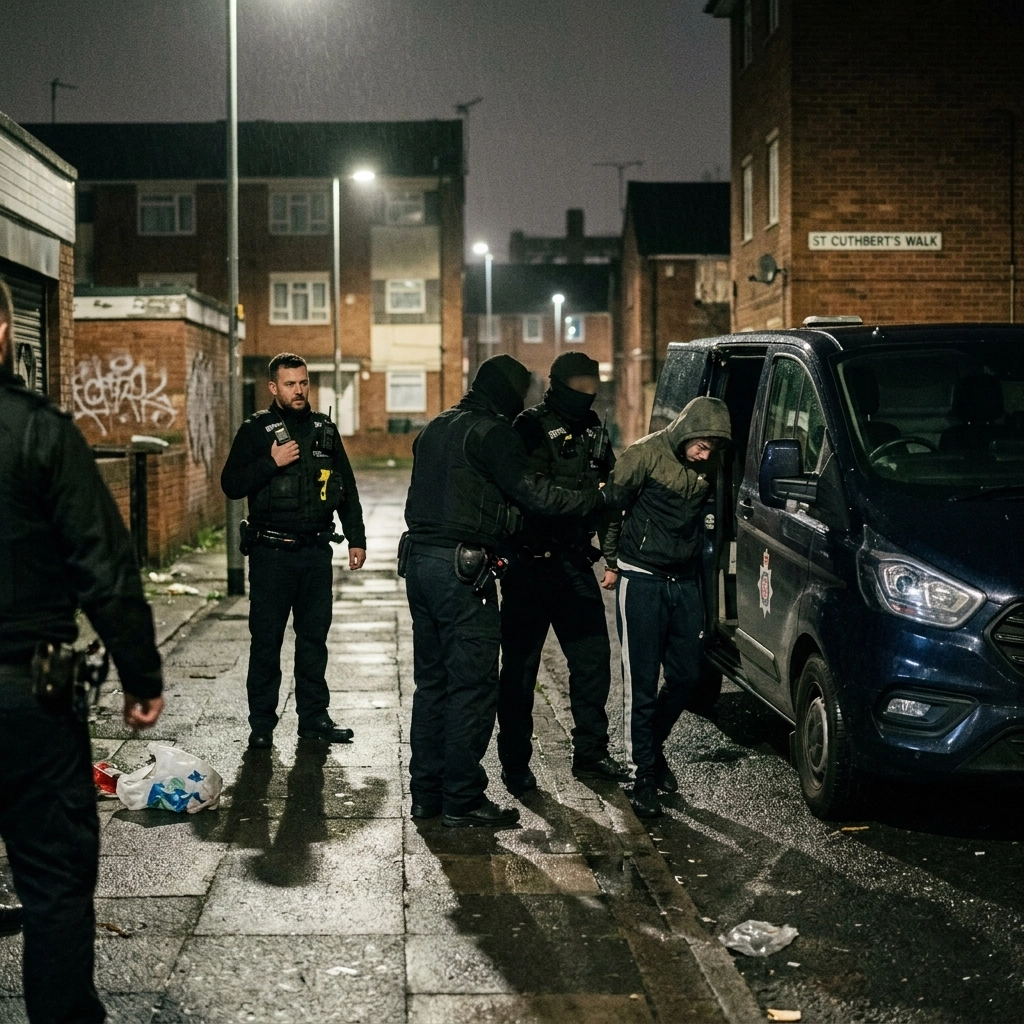
The recent UK-wide crackdown on county lines drug trafficking has dominated the airwaves, revealing a startling look at the sheer scale of organised crime operating right under our noses. It wasn't just a few minor busts; we are talking about a coordinated effort that resulted in the seizure of firearms, significant quantities of gold, and a massive haul of Class A drugs. While the flashy images of confiscated wealth grab the headlines, the most significant figure to emerge from this operation is far more sobering: nearly 800 children were safeguarded from exploitation.
For those who follow independent news uk, the concept of county lines isn't new, but the depth of the recent operations shows just how much these networks have evolved. These are organised criminal groups that move illegal drugs from large urban hubs into smaller towns and rural areas, using dedicated mobile phone lines: hence the name. To keep the business running, they rely on the exploitation of some of the most vulnerable members of society. This isn't just a story about drug dealing; it’s a story about human trafficking, the systematic grooming of minors, and the kind of untold stories that deserve closer attention.
The Human Cost Behind the Headlines
Behind every police report detailing kilos of heroin or bags of cash, there are dozens of untold stories of young people whose lives have been derailed by these networks. The fact that 800 children were pulled from these environments during a single week of action tells us everything we need to know about the current state of exploitation in the UK. These children, some as young as twelve, are often recruited through a process that looks more like a friendship than a criminal apprenticeship.
Gangs often start by offering gifts, money, or a sense of belonging to teenagers who might be struggling at home or in school. Once the child is "in," the dynamic shifts rapidly. The gang might stage a "robbery" of the drugs the child is carrying, creating a "debt" that the child must work off. This debt bondage is a classic tactic used to keep young runners under the thumb of older gang members. They are sent to unfamiliar towns, forced to stay in squalid conditions, and live in constant fear of both the police and the rivals of their bosses.
The tragedy is that many of these children are initially seen by the public: and sometimes by the authorities: as young criminals rather than victims. However, the modern approach to policing is starting to recognise the nuance. Safeguarding has become as much a priority as the arrests themselves. When we look at these untold stories, we see that the line between victim and perpetrator is often incredibly thin. For a teenager trapped in a cycle of debt and violence, the "choice" to participate in county lines is hardly a real choice at all. It is survival.
Beyond Enforcement: The Cuckooing Crisis
While the seizure of guns and gold makes for a powerful visual, the reality of county lines is often much grittier and more intimate. One of the most insidious aspects of these criminal networks is "cuckooing." This is a practice where gang members take over the home of a vulnerable adult: often someone with mental health issues, a physical disability, or their own substance misuse problems: to use as a base for their operations.
The term comes from the cuckoo bird, which lays its eggs in the nests of other birds. In a similar vein, these gangs infiltrate a person's life, initially offering drugs or companionship, before slowly taking control of the property. The resident is often confined to one room while the rest of the house becomes a hub for drug processing and distribution. For the resident, the experience is one of pure terror. They are often subjected to physical violence and are frequently too frightened to contact the police, fearing retribution or the loss of their home.
The recent crackdown highlighted just how widespread this issue has become. Shutting down 335 drug lines in a week is a monumental achievement, but the challenge remains in the aftermath. When a drug line is closed, the "cuckooed" individual is often left behind in a state of trauma, their home trashed and their sense of safety destroyed. This is where the gap between enforcement and long-term support becomes most visible. Arresting the dealers is the first step, but restoring the lives of those they exploited requires a much broader social intervention.
Seeking Long-Term Solutions in the UK
The success of recent police operations is undeniable. Recovering over 180 kilograms of Class A drugs and making over 2,000 arrests sends a clear message that the authorities are taking this threat seriously. However, as any source of independent news uk will suggest, we cannot arrest our way out of a social crisis. The criminal model used by these gangs is incredibly adaptive. When one line is shut down, another often pops up to take its place within days, sometimes even hours. The demand for drugs remains, and as long as there are vulnerable people who feel they have no other options, there will be recruits for these networks.
To truly dismantle the county lines model, the focus must shift toward prevention and early intervention. This means properly funding youth services, mental health support, and addiction recovery programmes. Many of the young people involved in these networks have fallen through the cracks of the education and social care systems. By the time they are being arrested by the police, several opportunities to intervene have already been missed.
There is also a growing need for better public awareness. Parents, teachers, and neighbours need to know the signs of grooming and cuckooing. It’s not just a "city problem" anymore; it is happening in quiet seaside towns and rural villages. The untold stories of these communities are vital for understanding the full picture. When we move past the headlines of gold and guns, we find a complex web of social issues that require more than just a pair of handcuffs to fix.
The current crackdown is a vital part of the puzzle, providing a much-needed reprieve for communities under siege. It has removed dangerous weapons from the streets and, most importantly, saved hundreds of children from further harm. But as the dust settles on this latest week of action, the real work begins in ensuring those children have a future away from the shadow of the drug lines. The reality of the crackdown is that it is a beginning, not an end. It is a call to action for every part of society to look closer at the vulnerabilities that these gangs so ruthlessly exploit.
Moving forward, the conversation around county lines must continue to evolve. We need to maintain the pressure on the criminal networks while simultaneously building up the resilience of the communities they target. Only by addressing the root causes: poverty, lack of opportunity, and social isolation: can we hope to see a permanent shift in the landscape of UK crime. The headlines will eventually fade, but the hidden reality of county lines remains a daily challenge for thousands across the country. Through continued vigilance and a commitment to safeguarding the vulnerable, we can start to write a different story for the next generation.