






The Ghost of the Great Recession
It’s a feeling many of us hoped would stay buried in the history books, right alongside the collapse of Lehman Brothers and the frantic queues outside Northern Rock. But as we move through March 2026, the numbers coming out of the Treasury are telling a story that’s uncomfortably familiar. We are officially back to debt levels that mirror the 2008 financial crisis, and for anyone trying to balance a household budget or run a small business, the sense of déjà vu is becoming impossible to ignore. The UK’s national debt is no longer just a figure on a spreadsheet; it’s a heavy weight dragging on the gears of the entire economy.
For the first time in nearly two decades, UK borrowing costs have spiked to an 18-year high. This isn’t just a minor blip or a bit of market turbulence. It is a fundamental shift in how expensive it is for the government: and by extension, the rest of us: to live on credit. Back in 2008, the crisis was triggered by a systemic collapse of the banking sector. In 2026, the catalyst is different, but the symptoms are remarkably similar. We’re seeing a toxic cocktail of persistent inflation, sluggish growth, and a debt-to-GDP ratio that refuses to budge from the danger zone. The "emergency" measures of the last few years have become the new normal, and the markets are starting to lose patience.
When we look at the raw data, the UK’s national debt is hovering around the 100% of GDP mark.
To put that in perspective, before the 2008 crash, that figure was closer to 35-40%. We’ve essentially tripled our debt burden in less than twenty years. While the world was distracted by various global shocks, the quiet accumulation of interest has been eating away at the foundations. In 2026, the cost of just servicing that debt: paying the interest alone: has surpassed the annual budget for several major government departments. It’s money down the drain, and it’s leaving very little room for the kind of investment the country desperately needs to pull itself out of this slump.
Why the Numbers are Rattling the Markets
The reason everyone is so on edge right now isn't just the size of the debt, but the cost of it. For years, we lived in a world of "free money," where interest rates were at rock bottom and borrowing was cheap. That era is well and truly over. As inflation fears continue to haunt the Bank of England, the pressure to keep interest rates high remains relentless. This has sent gilt yields: the interest the government pays to people who lend it money: soaring. When the government has to pay more to borrow, it sets off a chain reaction that hits every corner of the UK.
Inflation has proven to be far stickier than the experts predicted back in 2024 and 2025.
While we’ve seen some cooling in energy prices, the "second-round effects": things like wage demands and service costs: are keeping the Consumer Price Index (CPI) uncomfortably high. This creates a nightmare scenario for policymakers. If they cut interest rates to stimulate the economy, they risk letting inflation run wild again. If they keep rates high to squash inflation, they make the government’s debt even more expensive to manage and risk a deeper recession. It’s a classic "damned if you do, damned if you don't" situation, and the markets can smell the indecision from a mile away.
The "gritty" reality on the ground is that this financial pressure is filtering down to the high street. Mortgage holders who are coming off fixed-rate deals signed back in the "cheap money" era are facing a brutal awakening. We’re seeing monthly repayments jump by hundreds of pounds, sucking the disposable income right out of the economy. Small businesses, the lifeblood of the UK, are finding it nearly impossible to secure affordable credit to expand or even just to keep the lights on. It’s a tightening of the screws that feels very much like the lean years following 2008, only this time, there’s no clear path to a bailout.
Looking across the Atlantic doesn't provide much comfort either.
The United States has seen its own national debt skyrocket to over $38 trillion by the end of last year. This global trend of massive public borrowing has created a fragile international financial system. If one major economy stumbles under the weight of its debt, the ripple effects are felt instantly in London, Tokyo, and Frankfurt. In 2026, we are more interconnected than ever, meaning the UK is vulnerable not just to its own domestic policy mistakes, but to the shifting winds of global investor sentiment.
Navigating the 2026 Debt Trap
So, where do we go from here? The government is currently walking a tightrope. There’s a lot of talk about "fiscal responsibility" and "tough choices," which is usually political code for tax hikes or spending cuts. But in a country where public services are already stretched to the breaking point and the tax burden is at its highest in decades, there aren’t many easy places left to trim the fat. The debate in Parliament has become increasingly heated, with various factions arguing over whether to borrow even more to invest in growth or to double down on austerity to calm the bond markets.
The "18-year high" in borrowing costs is a wake-up call that the UK cannot rely on the kindness of strangers forever.
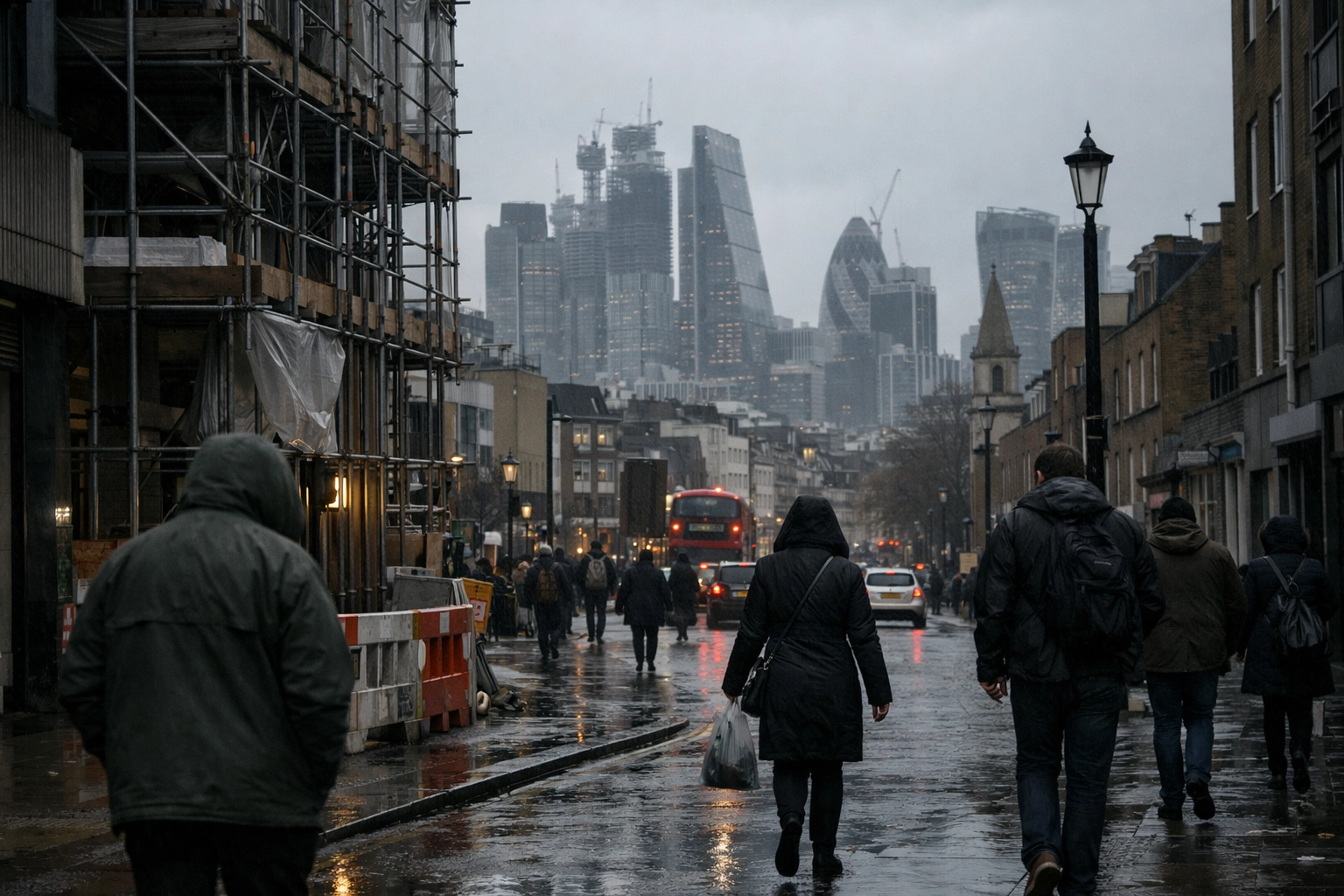
Investors who buy UK debt need to believe that there is a credible plan to grow the economy. Without growth, the debt-to-GDP ratio only goes one way: up. And as that ratio climbs, the risk premium on UK debt increases, making it even more expensive to borrow. It’s a vicious cycle that was at the heart of the 2008 crisis, and we are seeing the same patterns emerge today. The gritty photography of shuttered shops and quiet construction sites in 2026 serves as a visual reminder of what happens when the wheels of credit stop turning.
One of the biggest concerns for the remainder of 2026 is the potential for a "credit crunch 2.0." If banks become too fearful of the rising debt levels and the threat of defaults, they may pull back on lending even further. This would starve the economy of the oxygen it needs to recover. We’ve already seen a tightening of lending criteria in the housing market, and there are signs that corporate lending is starting to follow suit. The ghost of 2008 isn't just a metaphor; it's a practical warning about the dangers of a financial system that loses confidence in its own stability.
As we look toward the second half of the year, the focus remains firmly on the Bank of England and the Treasury. Every inflation report and every debt auction is being scrutinised with an intensity we haven't seen in years. There is a desperate hope that a technological breakthrough or a sudden surge in productivity could provide a "get out of jail free" card, but for now, the reality is much more grounded. We are a nation living on the edge of its means, facing a debt burden that is as heavy as it was during the worst financial crisis of our lifetimes. The path out of this 2026 debt trap will require more than just clever accounting; it will require a fundamental shift in how the UK manages its finances in a world where money is no longer cheap.