Imagine being sixteen years old, having travelled thousands of miles alone, only to be told by a stranger in a uniform that you are lying about your age. For dozens of children arriving in the UK, this isn't just a bad dream: it is a bureaucratic nightmare that leads directly to the gates of adult prisons and detention centres. At NowPWR, we’ve been digging into the data to bring you the untold stories that often slip through the cracks of mainstream reporting. What we found is a systemic failure that prioritises border targets over the basic safety of vulnerable minors.
The current situation revolves around a controversial "one in, one out" scheme, which has seen at least 76 age-disputed children detained in facilities designed for adults. This isn't just about a few administrative errors; it’s a policy-driven approach that is leaving children exposed to environments where they simply do not belong. As an independent news uk source, we believe it’s vital to look past the headlines and understand the human cost of these decisions.
The Reality of the One In One Out Scheme
The "one in, one out" policy was essentially designed to manage the flow of people through the UK's detention estate, but the collateral damage has been significant. Among those caught in the net are 76 individuals who claimed to be children but were summarily reclassified as adults by Home Office officials. The problem starts at the very point of entry. When a young person arrives, often exhausted after a perilous journey across the Channel, they are met by officials who perform what is essentially a "snap" assessment.
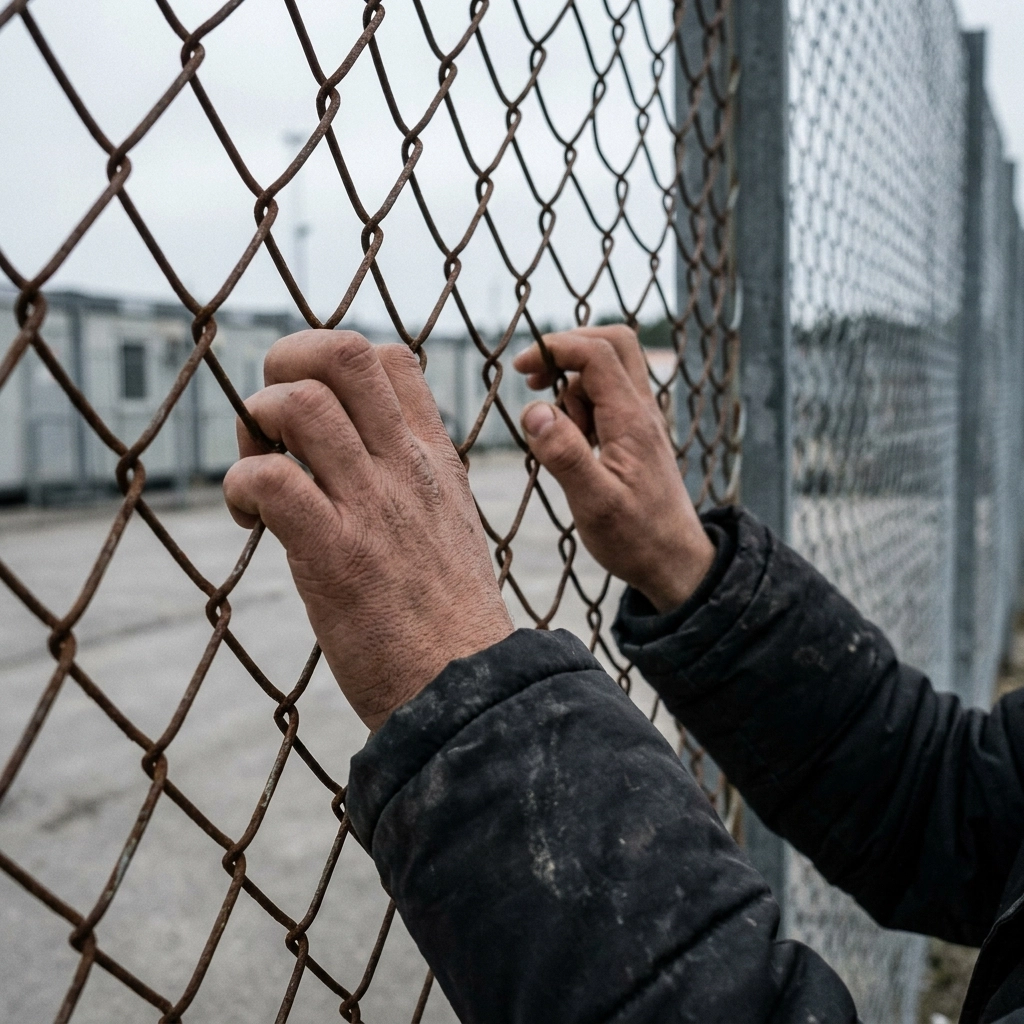
These assessments are frequently based on nothing more than "appearance and demeanour." If a teenager looks older than their years: perhaps due to the stress of their journey or physical maturity: they are at risk of being signed off as an adult on the spot. Once that box is ticked, the safeguards that usually protect children vanish. They aren't sent to local authority care or foster homes; they are sent to adult holding facilities. In many cases, this has meant being placed in high-security environments where they rub shoulders with adult populations, far away from the specialised support they need.
The National Age Assessment Board (NAAB) was supposed to bring some rigour to this process, but its track record has been shaky at best. Critics have pointed out that despite a high annual cost, many of their assessments are being overturned by judges who find the children's testimonies far more credible than the official reports. This disconnect between the Home Office’s desire for quick processing and the reality of child welfare is creating a dangerous gap. It's the kind of story you won't always find on the front pages, but on alternative news sites, we have the space to ask why these 76 children were allowed to fall through the cracks.
Why Adult Detention Is No Place for a Child
Putting a child in an adult detention centre isn't just a breach of protocol; it’s a fundamental safety risk. Adult facilities are not equipped to handle the safeguarding needs of minors. There are no specialist social workers on hand, no educational provisions, and certainly no protection from the potential for abuse or exploitation by the adult population. We’ve seen similar patterns of vulnerability in other areas of the system, such as the inside the UK's massive county lines crackdown, where young people are frequently targeted because they lack a stable support network.
In detention, this lack of support is magnified. Reports from investigators have highlighted cases where children as young as 16 were held in adult wings for weeks or even months. During this time, they are often denied access to legal representation that could help them challenge their age assessment. They are essentially stuck in a legal limbo, treated as criminals for the "offence" of illegal entry, despite policies that are supposed to protect minors from such charges.
The environment in these centres can be incredibly hostile. We’ve previously reported on the drone wars and gangs smuggling weapons into UK prisons, and while immigration removal centres are different from Category A prisons, they share many of the same systemic pressures. For a child who has already fled conflict or persecution, being locked up in a place where they feel threatened and unheard is a second trauma. The "one in, one out" logic treats people like units of cargo, but when those units are actually children, the moral and legal implications are staggering.
The Lasting Scars of a Broken System
The mental health impact of being "age-disputed" cannot be overstated. When a child is told that their identity is a lie, it triggers a profound sense of hopelessness. Clinical psychologists from the Helen Bamber Foundation have been sounding the alarm on this for a while. They’ve found that children who have their age disputed show significantly higher levels of psychological distress than those who are accepted as minors.
We’re talking about sixteen-year-olds who are expressing suicidal thoughts because they feel "made to feel like a liar and a criminal." The process is described as threatening and hostile, leaving these young people feeling detached from reality. For many, the goal was to find safety in the UK, but the reality they found was a cell and a thicket of bureaucracy. This trauma doesn't just disappear once (or if) they are eventually recognised as children. It disrupts their recovery from previous conditions like PTSD, depression, and anxiety.
Moreover, the damage to the relationship between the child and the state is often permanent. If your first experience with UK authorities is being wrongly detained and called a liar, why would you trust a social worker or a teacher later on? This breakdown in trust makes it even harder to integrate these children into society once they are released. They become even more vulnerable to further exploitation because they have learned that the "system" is something to fear, not something that protects.
As we continue to cover inside stories like these, it becomes clear that the age-disputed scandal is a symptom of a much larger issue. It’s about a system that has become so focused on optics and enforcement that it has forgotten the basic duty of care owed to every child. The 76 children identified in this recent data represent 76 individual lives that have been unnecessarily traumatised by a policy that treats human beings as numbers in a queue.
The "one in, one out" scheme might look efficient on a spreadsheet, but the reality on the ground is a mess of litigation, mental health crises, and a blatant disregard for child safety. It is a scandal that demands more than just a tweak to the rules; it requires a complete overhaul of how we treat the most vulnerable people arriving on our shores.
Addressing the age-disputed children scandal requires an immediate shift away from appearance-based "snap" judgements towards holistic, Merton-compliant assessments conducted by qualified social workers, rather than immigration officials. Until the Home Office prioritises safeguarding over administrative speed, children will continue to be placed in harm's way within the adult detention estate. Ensuring that minors are correctly identified and housed in appropriate local authority care is not just a legal requirement, but a fundamental moral obligation for any society.