



Local government structures across the United Kingdom are facing unprecedented fiscal pressures as the 2026 election cycle begins.
While national politics often dominates the news cycle, the decisions made at the municipal level remain the most direct drivers of daily life.
In 2026, the relevance of the local vote is being tested against a backdrop of rising living costs and shifting social priorities.
Many residents feel a sense of detachment from the ballot box, yet the data suggests that local participation has never been more critical.
This year, voters are not just choosing names on a list; they are determining the viability of the services they use every morning.
From the maintenance of the roads to the safety of the high street, the local council is the primary architect of the community landscape.
Statistical evidence from previous cycles shows that local races are frequently decided by margins of fewer than fifty votes.
This reality places a disproportionate amount of power in the hands of the small percentage of the population that chooses to participate.
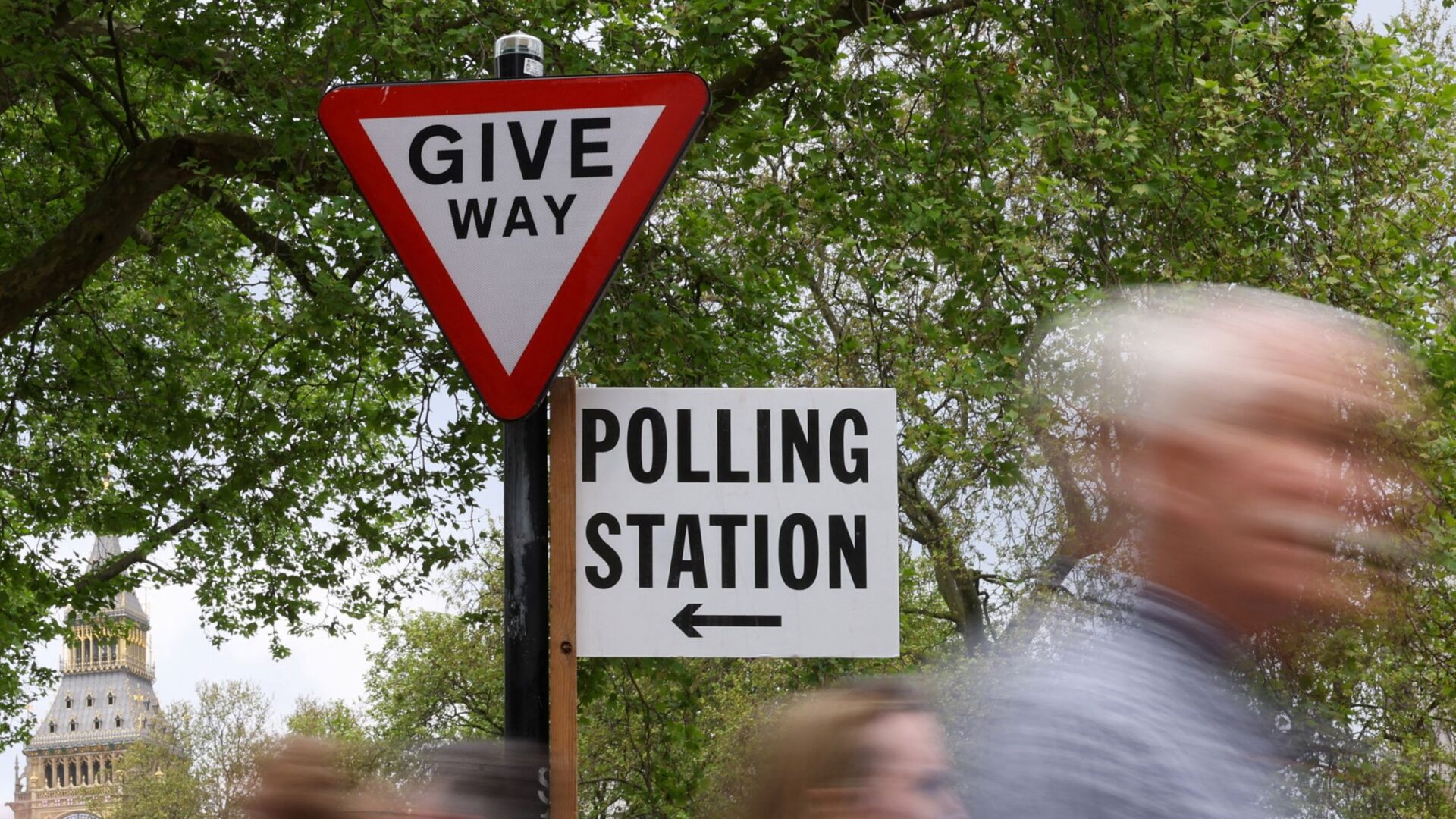
As we look toward the May polls, the question of whether a single vote matters is being answered by the immediate needs of local districts.
Does your local vote matter in 2026?
The primary difference between a general election and a local election is the weight of an individual ballot.
In national contests, millions of votes are cast, often diluting the impact of a single citizen's choice within a large constituency.
In local council elections, however, turnout is historically much lower, often hovering between 25% and 35%.
This low participation creates a scenario where a dedicated group of residents can effectively steer the direction of their entire borough.
In several 2024 local contests, seats were held or flipped by margins that could be counted on two hands.
When turnout is low, each vote cast carries three to four times the influence it would in a high-turnout national event.
This mathematical reality means that those who show up to vote in 2026 will have a literal hand in shaping the local budget for the next four years.
Local officials oversee the allocation of funds for social care, waste management, and public libraries.
These are not abstract policy concepts but tangible services that impact the quality of life in every postcode.
The 2026 elections also serve as a check on the central government’s performance since the last major shift in Westminster.
By voting locally, residents send a direct signal to national parties about the effectiveness of their regional strategies.
This creates a feedback loop that forces national leaders to pay attention to "forgotten" towns and rural areas.
Without the pressure of local election results, the specific needs of smaller communities are often overlooked in favor of broader national narratives.
The influence of the local vote extends to the very structure of our neighbourhoods and the safety of our children.
Research into community safety highlights that local authorities hold the keys to licensing and monitoring small businesses.
Recent reports have uncovered disturbing trends in unregulated sectors, such as high street safeguarding failures in some retail settings, which require strong local oversight.
A local councillor’s stance on business inspections and community policing can be the difference between a thriving high street and one plagued by hidden crime.
Where councils feel the squeeze first
The financial health of UK councils has reached a tipping point in 2026, making the vote on budgetary priorities essential.
Local authorities are currently navigating a "stealth squeeze" that has seen funding slashed while demand for social services rises.
Many residents are feeling the impact of this through higher council taxes and reduced services.
This financial tension is particularly visible for the younger generation, who are already struggling with a stealth squeeze and graduate underemployment tied to broader economic policies.
At the local level, the vote determines which services are protected and which are phased out.
Education is one of the most significant areas where local decisions manifest in long-term outcomes for residents.
School funding and the management of local education authorities are direct responsibilities of the council.
Data indicates a growing divide in educational quality, where deprived schools face significantly higher rates of Ofsted downgrades compared to wealthier areas.
The officials elected in 2026 will be tasked with reversing this trend and ensuring equitable resource distribution.
Housing is another critical pillar of the local mandate that is currently under immense strain.
Planning committees and local housing authorities decide where new homes are built and what percentage are designated as affordable.
The failure to address housing needs at the local level has led to a surge in hidden homelessness, as settlement rules and housing pressures leave thousands off the official records.
A single local vote can influence the approval of a housing development that provides hundreds of families with a stable place to live.
Conversely, it can empower those who wish to restrict growth, potentially exacerbating the housing shortage in high-demand areas.
The 2026 vote is a choice between candidates who prioritize rapid development and those who focus on preserving existing community characters.
This tension defines the modern British town and determines who can afford to live in it.
The stakes are equally high for the elderly and those requiring social care, a sector that consumes the largest portion of most council budgets.
As the population ages, the local vote determines the quality of care available to the most vulnerable members of society.
Local decisions that spill into national politics
The 2026 local elections are more than just a regional event; they are the testing ground for future national policies.
Historically, major shifts in UK law have started as small-scale initiatives in individual boroughs.
Environmental regulations and green energy projects often begin at the local level before being adopted by Westminster.
Councils that implement successful waste-to-energy programmes or low-emission zones provide the data needed to scale these ideas nationally.
In the context of the environment, the local vote is a vote for how a community interacts with the planet.
Local authorities are responsible for air quality monitoring and the promotion of sustainable transport links.
The way the media reports on these issues often misses the local nuances, with national coverage sometimes flattening complex local trade-offs.
By engaging in local elections, voters can support candidates who understand the specific environmental needs of their region.
The gig economy and the future of work are also being shaped by local licensing and regulation.
As more people move away from traditional employment, the role of local government in protecting workers' rights becomes vital.
Local councils have the power to set standards for private hire drivers and delivery workers operating within their boundaries.
Understanding freelance pay dynamics and the gig economy is essential for local leaders who want to support a fair economy.
Voters in 2026 are essentially choosing which economic models will be championed in their hometowns.
The rise of digital influence and the role of social media in politics have changed how local campaigns are run.
While influencer-driven campaigning and national digital strategies might dominate the wider conversation, local candidates still rely on door-to-door engagement.
This personal connection allows for a level of accountability that is often lost in the noise of national social media campaigns.
Ultimately, the 2026 local vote is the most accessible way for a citizen to exert direct influence over their environment.
It is a mechanism for holding local leaders accountable for the state of the schools, the safety of the streets, and the health of the local economy.
As the polls open in May, the collective choice of the community will dictate the path of the next four years.
Ignoring the local ballot is a surrender of the most potent tool a resident has for immediate change.
In an era of global uncertainty, the local vote remains a stable and significant point of power for the individual.
The results of 2026 will be felt in every pothole filled, every classroom funded, and every new home built across the country.