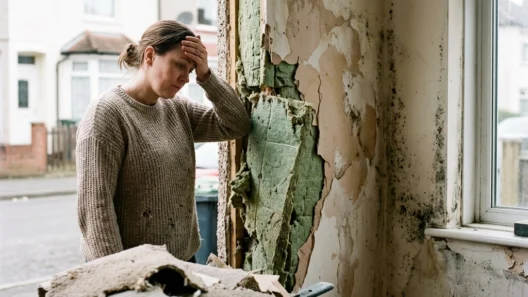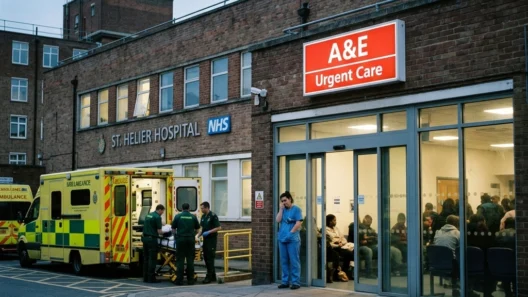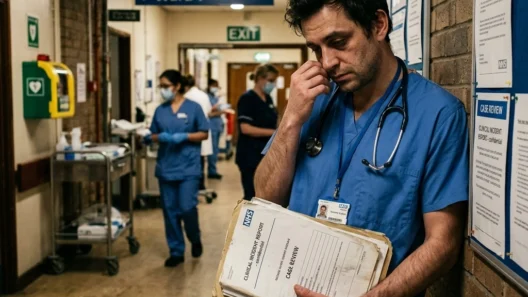
Walking through the streets of East London today feels different than it did five years ago. There is a palpable tension in the air, a sense that while the skyscrapers of the City continue to glint in the distance, the ground level is shaking. People are calling it a "hurricane": not one made of wind and rain, but one built from rising energy bills, skyrocketing rents, and the ever-increasing price of a simple loaf of bread. This economic storm is hitting the most vulnerable communities hardest, and at the centre of this struggle are the food banks that have become a literal lifeline for thousands.
As an outlet for independent news uk, we believe in shedding light on the untold stories that often get buried under national headlines about inflation percentages and GDP growth. Behind those numbers are real people standing in queues in Bow, Bethnal Green, and East Ham, trying to figure out how to feed their children while keeping the lights on. The reality on the ground is far more complex than a simple charity effort; it is a battle for survival in one of the world’s most expensive cities.
The "hurricane" metaphor is apt because, like a natural disaster, the cost of living crisis doesn't just pass through; it leaves a trail of long-term damage. It erodes savings, damages mental health, and breaks down the social fabric of neighbourhoods that were already stretched thin. In East London, where the contrast between extreme wealth and deep-rooted poverty is most visible, the pressure is reaching a breaking point.
The Eye of the Storm in Tower Hamlets
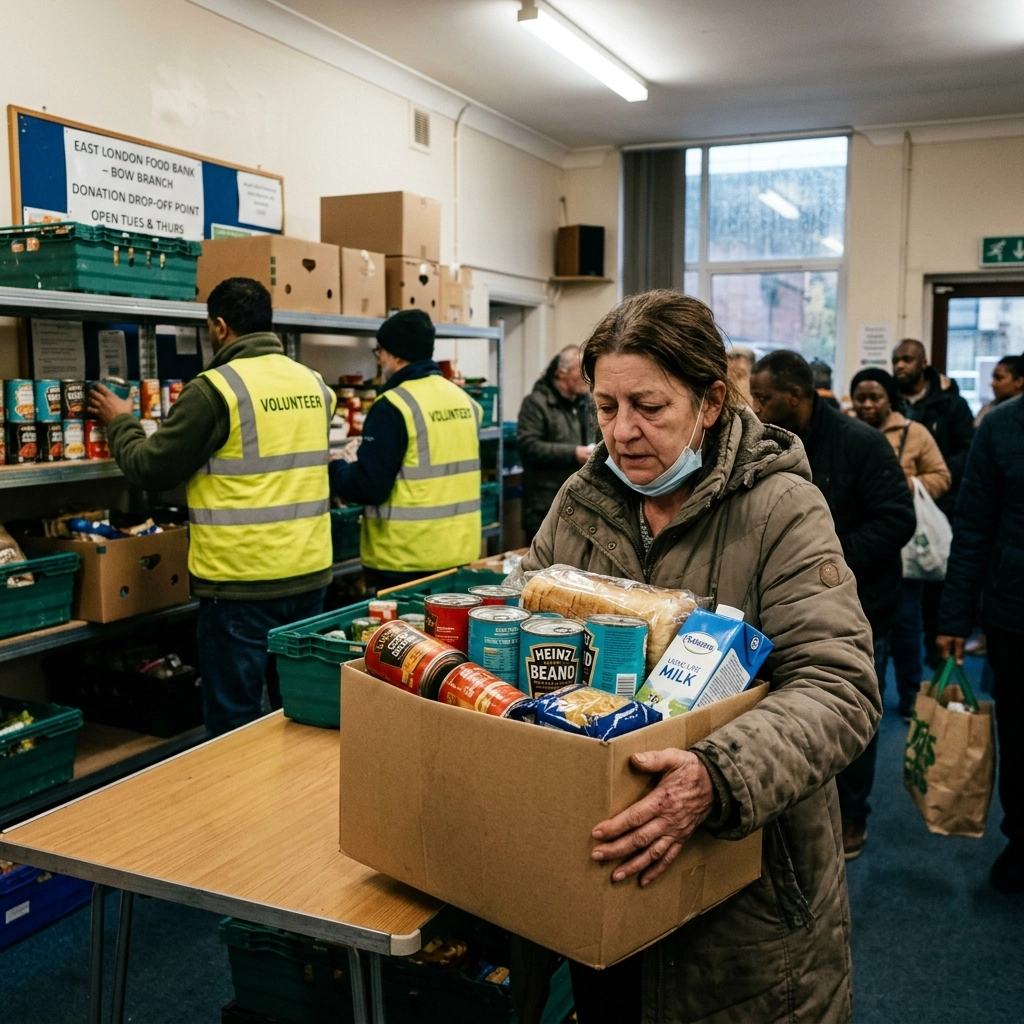
Tower Hamlets has long been a borough of contrasts, but the current strain on its support systems is unprecedented. At the heart of this response is Bow FoodBank, an organisation that has seen its demand soar as the economic climate worsens. They provide more than just food; they offer a sense of stability in a world that feels increasingly unstable. For many residents, the food bank is the only thing standing between them and total destitution.
The logistics of running such a massive operation are staggering. Bow FoodBank operates several sessions across the week to accommodate the diverse needs of the community. For Tower Hamlets residents, there are Click and Collect sessions on Tuesdays and Fridays, designed to make the process as efficient and dignified as possible. However, the need for walk-in sessions remains high, with Tuesdays and Thursdays seeing significant footfall. What is perhaps most telling of the "hurricane" is the Wednesday open session, where anyone, regardless of their specific borough, is welcome. This reflects a growing understanding that the crisis does not respect postcode boundaries.
The closure of the Bethnal Green location in July 2024 served as a sobering reminder of the challenges these independent organisations face. While demand is rising, the resources to meet that demand: including physical space and consistent volunteer numbers: are under constant threat. When a local hub closes, the ripple effect is felt immediately across the rest of the network. Those who used the Bethnal Green site must now travel further, often at a cost they cannot afford, to access the same basic necessities. This is a recurring theme in the untold stories of the city: the exhausting logistics of being poor.
Beyond Groceries and the Need for Community Connection
While the physical act of receiving a food parcel is vital, there is another side to the crisis that often goes unmentioned. Poverty is incredibly isolating. When you cannot afford to go for a coffee with a friend or take your kids to the cinema, your world shrinks. This is where organisations like FoodCycle East Ham step in, offering something that a standard food bank parcel cannot: a hot meal shared with others.
Operating out of the Pilgrims Way Church in East Ham every Tuesday evening, FoodCycle provides a three-course vegetarian meal to anyone who walks through the door. There are no referrals needed and no questions asked. The focus here isn't just on nutrition; it’s on connection. For many who attend, this might be the only time during the week they sit down to eat with someone else. In the midst of the "hurricane," these community meals act as a temporary shelter, a place where the stress of the outside world can be set aside for an hour or two.
This model of support highlights a crucial shift in how we view the cost of living crisis. It is not just a financial deficit; it is a social one. The independent news uk perspective often finds that these grassroots efforts are the ones truly keeping the community afloat. By providing a space for people to gather, share advice, and simply exist without the pressure of spending money, FoodCycle and similar initiatives are addressing the hidden mental health toll of the economic storm. It is about restoring dignity in a system that often makes people feel like they are just another statistic.
The situation in East London is a microcosm of a much larger national issue, where the safety nets are being pulled so tight they are beginning to tear.
Why Independent Reporting Matters Now
In a media landscape dominated by fast-paced news cycles, the nuances of life in an East London food bank queue are often lost. We hear about the "cost of living" as a generic phrase, but we rarely hear the specific, untold stories of the parents who skip meals so their children can have a snack for school, or the pensioners who spend their days in public libraries just to stay warm. Independent news uk has a responsibility to document these realities without the sanitisation often found in mainstream outlets.
The "hurricane" isn't going to blow over by next week. The structural issues contributing to food insecurity: low wages, the "poverty premium," and a lack of affordable housing: require long-term attention and reporting. By documenting the work of Bow FoodBank and FoodCycle, we are not just reporting on charity; we are reporting on a systemic failure that has made charity a permanent necessity for thousands of working people.
There is a certain resilience in East London that is nothing short of heroic. The volunteers who spend their weekends sorting through crates of tinned tomatoes, the coordinators who manage complex logistics on a shoestring budget, and the neighbours who look out for one another are the real story. They are the ones navigating the hurricane every single day. Our goal is to ensure their voices are heard and the scale of the challenge they face is fully understood.
As we look toward the future, the role of community-led support will only become more vital. The "hurricane" shows no signs of slowing down, and as long as people are struggling to meet their basic needs, there will be a need for both the practical support of food banks and the honest, independent reporting that brings their struggles to light. Understanding the reality of East London today is about more than just acknowledging the hardship; it’s about recognising the strength of the people who refuse to be swept away by the storm.
The cost of living crisis remains a defining issue of our time, and the experiences of those in East London provide a window into the challenges facing millions across the UK. Through continued focus on these local struggles, we can better understand the national picture and the urgent need for systemic change.