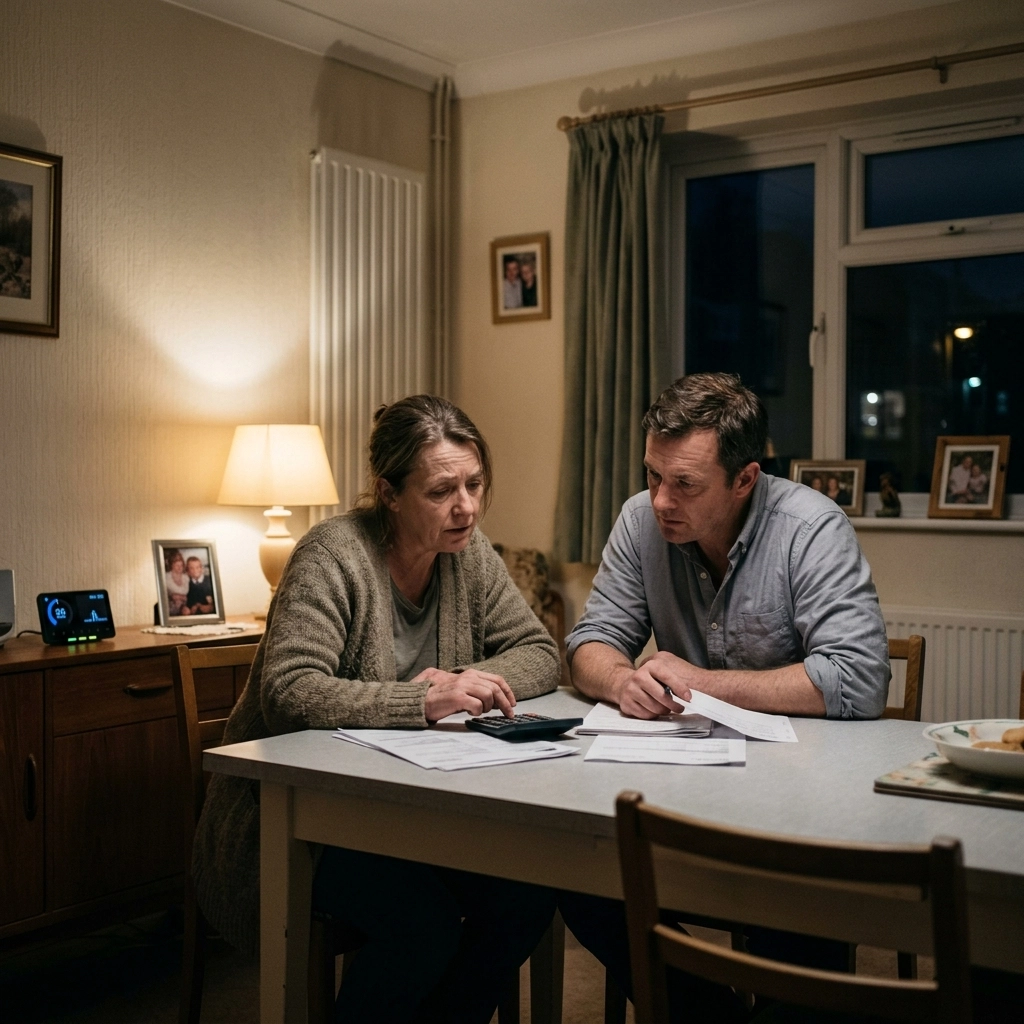
The world in 2026 feels a lot different than it did just a few years ago. With the ongoing geopolitical shifts and the ripple effects of the conflict in the Middle East, energy has become more than just a utility bill topic; it is the cornerstone of national survival. For the average person sitting in their living room in the UK, the headlines often paint a picture of unavoidable doom and gloom. High prices, potential blackouts, and supply chain fragility are the standard talking points. However, if you look closer at the actions being taken behind the scenes, a different narrative emerges.
What we are seeing is the unfolding of a strategic, multi-layered plan designed to shield households from the most aggressive energy shocks. While it might not be a "secret" in the conspiratorial sense, many of these measures are being implemented quietly, far from the sensationalist glare of 24-hour news cycles. At NowPWR, we pride ourselves on being a source of independent news uk, focusing on the untold stories that actually matter to your daily life.
The reality is that governments across the globe, including our own, have realised that the old way of managing energy: relying purely on open-market fluctuations: is no longer sustainable in a world of high-stakes tension. To keep the lights on and the heating running without bankrupting the population, a series of defensive guardrails are being put into place.
The Strategic Stockpiling of Essential Power Sources
One of the most significant but least discussed aspects of modern energy security is the aggressive move toward domestic prioritisation. In the past, the global energy market operated on a "just-in-time" delivery model. We bought what we needed when we needed it. That model has been unceremoniously tossed out the window. Countries are now pivoting toward a "just-in-case" strategy, which involves massive shifts in how resources are distributed before they even reach the international market.
Take, for example, the recent moves seen in major emerging economies. India has invoked emergency powers to ensure that its domestic refiners maximise the production of liquefied petroleum gas (LPG). Rather than selling to the highest industrial bidder, they are prioritising over 300 million homes. This is a massive logistical undertaking that essentially creates a state-mandated shield for the domestic consumer. Similarly, we’ve seen China implement strict bans on the export of refined fuels. The goal is simple: keep the fuel at home to ensure domestic stability, even if it means losing out on lucrative export profits.
In the UK and Europe, this prioritisation takes a slightly different form but follows the same logic. There is a quiet but firm movement toward strengthening domestic reserves. Australia has already set a precedent by releasing petrol and diesel from its domestic reserves to support rural supply chains, and similar contingency plans are being shored up across the West. These aren't just emergency measures for a rainy day; they are part of a broader, permanent shift toward energy nationalism. By securing the physical supply first, governments are attempting to decouple household needs from the wild volatility of global spot prices. It’s an untold story of logistics winning over pure economics.
Economic Buffers and the Invisible Hand of State Support
If the first layer of the shield is physical supply, the second layer is undoubtedly financial. The "secret" here isn't that governments are spending money: it's how they are restructuring the very fabric of energy pricing to protect the consumer. We are moving away from a model where the consumer bears the brunt of every price spike, toward a system where the state acts as a massive shock absorber.
Across the EU, we’ve seen calls for temporary electricity tax cuts and state-led support measures that were once considered radical. In Greece, for instance, the government has rolled out hundreds of millions of euros in subsidies not just for fuel, but for the fertilisers and logistics that keep the cost of living stable. This is a recognition that energy costs aren't isolated; they bleed into the price of bread, transport, and every other household essential. By subsidising the base of the energy pyramid, they are effectively shielding the entire economy.
The Philippines has activated billions in emergency funds specifically for fuel security, while Namibia has slashed fuel levies by half. These aren't just temporary patches; they represent a fundamental change in fiscal policy. Governments are choosing to take the hit on their own balance sheets rather than letting the impact crush the household budget. This kind of interventionism is becoming the new global standard. For those following independent news uk, it’s clear that the conversation is shifting from "how do we lower prices?" to "how do we build a permanent financial firewall around the home?" This shift ensures that even when the global market experiences a 50% spike, the person at the end of the line might only see a fraction of that increase.
Diversification as a Defensive National Policy
The final piece of the puzzle is the radical diversification of the energy mix. In times of peace and stability, countries often get lazy, relying on whatever is cheapest at the moment. In 2026, the focus has shifted entirely to "resilience through variety." This is where the long-term plan to shield households really gains its teeth. It’s about ensuring that if one pillar of energy falls, three others are there to hold up the roof.
We are seeing a massive resurgence in technologies that were previously being phased out or sidelined. South Korea, for example, has pivoted back to nuclear power with a vengeance, raising plant utilisation to 80% to ensure a steady, baseline flow of electricity that isn't dependent on imported gas. Meanwhile, Vietnam is accelerating its switch to ethanol-blended fuels to reduce its reliance on traditional oil markets. These moves are often framed as environmental or purely technical, but their primary driver is security. A diverse grid is a safe grid.
This also ties into the climate transition. While the green energy movement has often been framed through the lens of saving the planet, it is now being rebranded as a matter of national security. Every wind turbine and solar farm built in the UK is a piece of infrastructure that doesn't require a complex, vulnerable international supply chain to function. By investing heavily in these domestic sources, the government is essentially building a "moat" around the country’s energy needs.
Furthermore, demand management is becoming a sophisticated tool. Instead of just asking people to turn off the lights, countries like Mauritius are implementing smart restrictions on non-essential grid uses, such as decorative lighting and public fountains, to ensure that the core energy needs of households are never compromised. It’s a coordinated effort to trim the fat so the muscle of the country remains strong.
The path to energy security is not a single, grand announcement. It is a collection of thousands of small, tactical decisions made in treasury offices, grid control centres, and shipping ports. While the world remains an unpredictable place, the "secret plan" is simply the recognition that the state must step in where the market fails. By focusing on physical stockpiles, financial buffers, and a diversified grid, the aim is to create a future where the next global crisis doesn't mean a cold home for the families of the UK. This is the real story of how we move forward, one that we will continue to follow here as part of our commitment to bringing you the most important untold stories of our time.
In summary, the landscape of energy security in 2026 is defined by a move away from global dependency and toward a more insulated, state-supported model. While the challenges are significant, the measures being taken globally suggest a robust effort to ensure that the domestic household remains protected from the worst of the international storms. This strategic shift marks a new era in how we value and manage the power that runs our lives.