





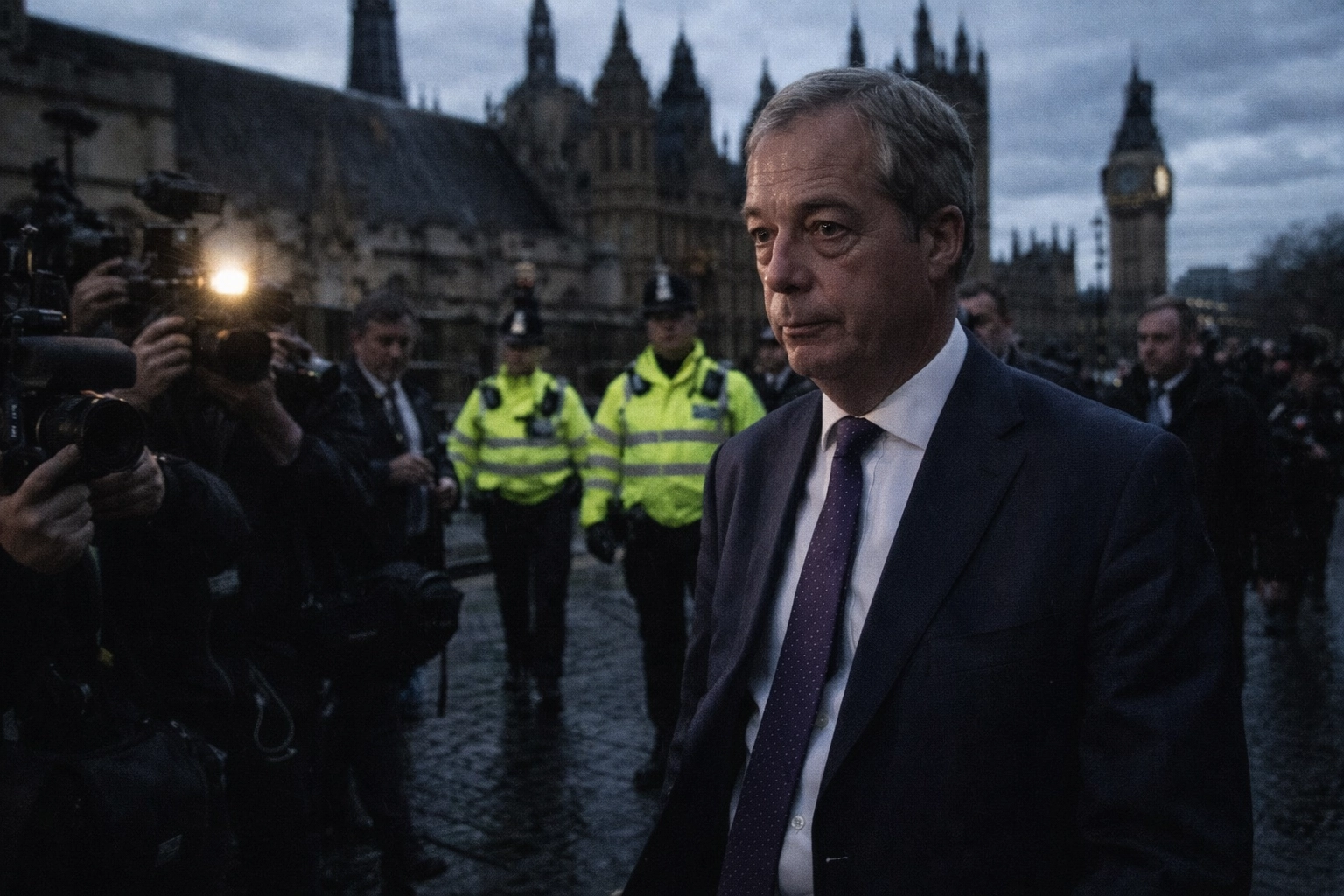
Nigel Farage, the Member of Parliament for Clacton and leader of Reform UK, has suspended his activity on the video-sharing platform Cameo. The move follows a detailed investigation into the nature of the content he produced for paying subscribers. Official statements from the politician’s camp cite security concerns as the primary driver for the hiatus. However, the timing coincides with a significant exposé regarding the messages delivered in his personalised recordings.
The platform, which allows celebrities and public figures to sell short video messages to fans, has been a lucrative side-hustle for Farage since 2021. Recent scrutiny has turned a spotlight on the boundary between private commercial services and public political accountability. As the blackout begins, the debate over how politicians monetise their personal brand continues to intensify in Westminster.
The scale of the digital archive and the Guardian investigation
A comprehensive investigation led by The Guardian has mapped the sheer volume of Farage’s output on the platform. Since April 2021, the MP is estimated to have recorded over 4,300 individual videos. At price points ranging from £75 to over £100 per clip, the financial scale of the operation is substantial. The archive provides a granular look at the types of requests the politician fulfilled over nearly five years of active participation.
The investigation uncovered several instances of problematic content embedded within the vast library of videos. Analysts found that Farage had recorded messages containing far-right slogans, references to anti-semitic conspiracy theories, and support for individuals with criminal convictions. In one instance, a video appeared to promote an event linked to a Canadian neo-Nazi group. The findings suggest that the vetting process for these paid requests was either flawed or secondary to the volume of production.
Critics have pointed out that while many of these phrases may have been disguised as jokes or "inside" references by the people purchasing the videos, their delivery by a sitting MP carries significant weight. The investigation tracked how these videos were subsequently shared in extremist circles online, often used as "trophies" or perceived endorsements of fringe ideologies. The sheer speed of production: sometimes dozens of videos in a single day: likely contributed to the lack of oversight regarding the scripts Farage was asked to read.
The fallout from the report has been immediate. Data suggests that the majority of these clips were filmed in domestic settings or during transit, blurring the lines between Farage’s role as a public servant and his identity as a commercial entity. The disclosure of this archive has forced a conversation regarding whether a public official should be engaging in unregulated "script-reading" for profit, especially when the scripts intersect with sensitive national security and social cohesion issues.
The shoe shop defence and the ethics of the gig economy
In response to the mounting pressure and the specific allegations regarding the content of his videos, Nigel Farage has adopted a defensive posture. He has consistently maintained that the videos were recorded in "good faith" and should not be interpreted as personal political statements or endorsements. His primary argument hinges on a commercial analogy, comparing his role on Cameo to that of a retailer in the physical world.
Farage argued that a shop owner who sells a pair of shoes is not responsible for where the customer chooses to walk in them. This "shoe shop" defence suggests that as a service provider, he is merely fulfilling a transaction and cannot be held accountable for the underlying motives of the purchaser or the coded meanings within the text provided to him. He asserted that the messages were intended as birthday greetings or light-hearted roasts, and that any extremist subtext was the responsibility of the buyer, not the performer.
However, ethics experts and political opponents have rejected this comparison. They argue that a personalised video performance is fundamentally different from a passive product sale. Because Farage uses his face, his specific tone of voice, and his authority as a political leader to deliver the message, the act of recording becomes an active participation in the content. Unlike a pair of shoes, a video of an MP speaking specific words is a unique digital asset that carries the weight of their office.
The backlash has also focused on the financial transparency of the arrangement. While Farage has declared his earnings from Cameo in the Register of Members' Financial Interests, the nature of the work remains a point of contention. The "gig economy" model of Cameo allows for a high volume of unscripted interaction that bypasses the traditional filters of a political press office. This lack of mediation is exactly what makes the content valuable to buyers, but it also creates the vulnerability that led to the current blackout.
Security concerns versus damage control in the wake of the pause
The official explanation for the account's suspension is "security reasons." Representatives for Farage have suggested that the level of scrutiny and the potential for bad actors to use the platform to harass or track the MP necessitated a cooling-off period. They point to the increasingly volatile political climate in 2026 as a justification for withdrawing from platforms that require frequent, unscripted engagement with the public.
Observers, however, remain sceptical of this narrative. Many see the "security" justification as a convenient screen for what is essentially a damage control exercise. The pause followed almost immediately after the publication of the Guardian’s findings and the subsequent social media firestorm. By citing security, the politician can withdraw from the platform without explicitly admitting to any wrongdoing or negligence regarding the content of the videos.
The interactions between Farage and the press following the investigation have been notably hostile. Reports indicate that when challenged on the specific videos linked to neo-Nazi groups and anti-semitic tropes, Farage responded with personal insults. He reportedly labelled journalists as "losers" and used expletives to dismiss their inquiries. This combative stance is characteristic of his media strategy, yet it underscores the difficulty of maintaining a professional front while defending the unfiltered nature of his Cameo output.
As the blackout continues, the political implications for Reform UK and the wider Westminster landscape are being assessed.
The incident has prompted calls for stricter regulations on how MPs use third-party platforms for personal gain. There is a growing consensus among some parliamentary committees that "performance-based" income for politicians needs a clearer ethical framework to prevent the inadvertent promotion of extremist rhetoric.
The future of Farage’s Cameo presence remains uncertain. Whether this is a permanent exit or a temporary tactical retreat will likely depend on the longevity of the current investigation and the public's appetite for further revelations from the 4,300-video archive. For now, the digital side-hustle that once provided a steady stream of income and viral moments is dark, leaving a trail of controversial recordings that continue to circulate in the darker corners of the internet.