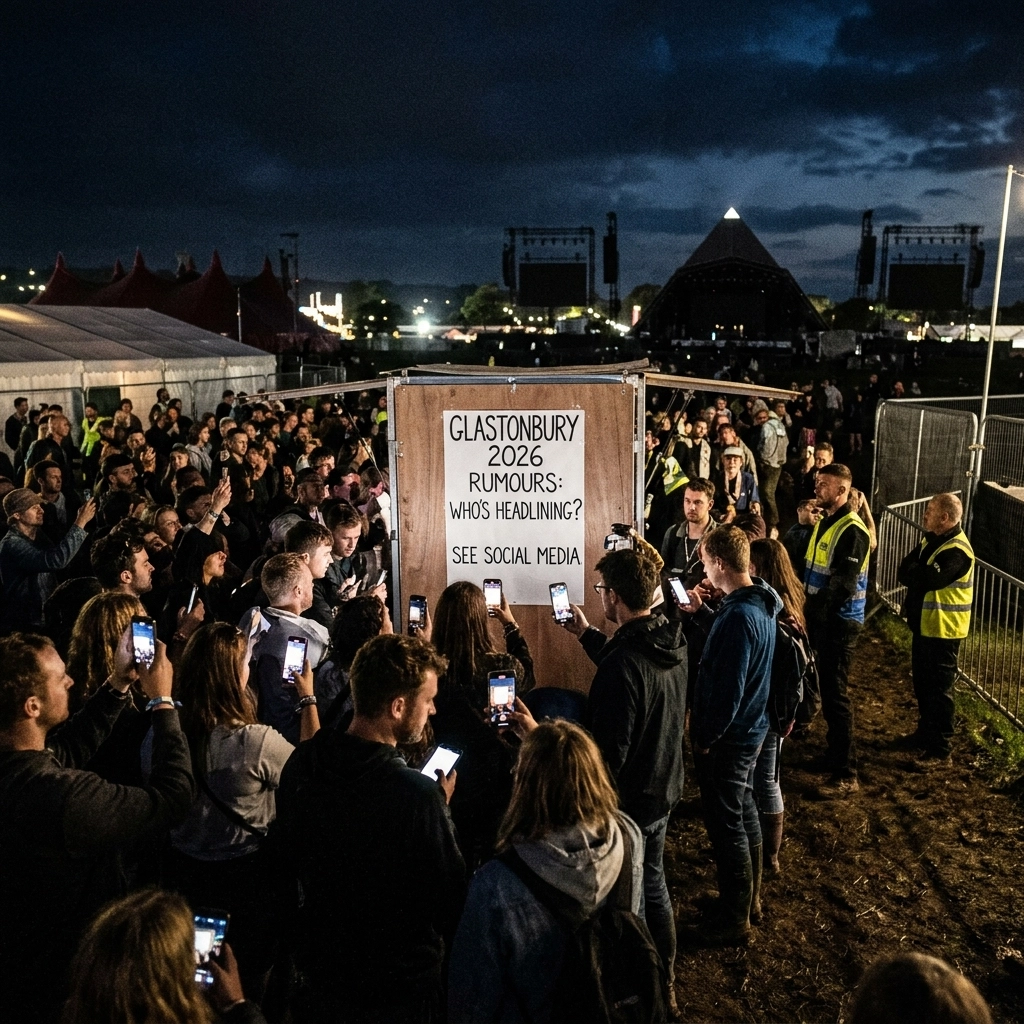
The digital landscape has been set alight this week as whispers of the Glastonbury 2026 line-up begin to circulate across social media platforms. From TikTok theories to viral threads on X, the Pyramid Stage remains the most discussed piece of real estate in the music world. Even in the early stages of the year, the appetite for news regarding Worthy Farm is seemingly insatiable, with fans dissecting every tour date and social media post from global superstars.
However, this year’s wave of speculation carries a unique weight. As festival-goers look back on the triumphant 2025 season, which saw Dua Lipa, Coldplay, and SZA take the top spots, the conversation regarding what comes next has reached a fever pitch. Despite the enthusiasm, there is a significant hurdle that many fans seem to have overlooked in the heat of the moment.
The cycle of Glastonbury is unlike any other event in the world. It is a living, breathing organism that requires a delicate balance between cultural impact and environmental stewardship. This balance is precisely what is driving the current divide between online hope and geographical reality.
The Reality of the Glastonbury Fallow Year
To understand the current surge in rumours, one must first address the factual state of Worthy Farm. Organiser Emily Eavis has previously confirmed that 2026 is designated as a fallow year. For the uninitiated, a fallow year is a scheduled break in the festival’s cycle, occurring roughly every five years. The purpose is not to rest the organisers, but to allow the land itself to recover from the intense footfall of over 200,000 people.
The decision to host a fallow year in 2026 follows a highly successful five-year run of consecutive festivals. While the pandemic naturally disrupted the usual cadence, the ground has been under significant pressure since the event returned in full force. The dairy farm, which operates year-round, requires time for the soil to aerate and the grass to return to its natural state without the weight of heavy machinery and thousands of tents.
Despite this official confirmation, social media has a tendency to create its own reality. "Glastonbury 2026" has become a trending topic, largely driven by fans who are perhaps unaware of the fallow year tradition or are simply holding out hope for a surprise announcement. This surge in interest highlights just how much the festival has become a permanent fixture in the British cultural psyche. People don't just want the festival to happen; they expect it to be a constant, regardless of the environmental necessity for a break.
The absence of the festival in 2026 creates a void that fans are currently filling with "what if" scenarios. Some have speculated that a smaller-scale event might take place, or that the fallow year might be postponed. However, the Eavis family has historically been incredibly disciplined regarding these breaks. The long-term health of the site is always prioritised over short-term commercial gain, ensuring that the festival can continue for decades to come.
Shifting Focus to the 2027 Headliner Odds
With 2026 confirmed as a quiet year for the Pilton site, the more seasoned festival speculators have already shifted their gaze toward June 2027. This is where the rumours begin to gain some actual traction, as bookmakers and industry insiders start to look at the touring schedules of the world’s biggest artists. If 2026 is the year of rest, 2027 is being framed as the year of the ultimate comeback.
Currently, the name at the top of many prediction lists is Sam Fender. The North Shields singer-songwriter has seen a meteoric rise, and many feel he is the natural choice to graduate to a Friday night headline slot. With odds currently sitting around 2/1 with some bookmakers, the anticipation is grounded in his proven ability to command massive festival crowds. Following Fender, the usual suspects remain in the conversation. Ed Sheeran and Taylor Swift are frequently cited at 3/1, with fans still holding out hope that Swift will finally make her debut on the Pyramid Stage after her 2020 appearance was cancelled.
The 2027 speculation doesn't stop there. The "bucket list" artists: those who have never played or haven't returned in decades: are the subject of intense debate. Names like Rihanna, Beyoncé, and even Eminem are frequently floated. Each of these artists represents a "mega-booking" that would signify a massive return for the festival after its year off.
Furthermore, the recent activity surrounding Oasis has led to a renewed flurry of 4/1 odds for the Gallagher brothers to headline. While the brothers' relationship is famously volatile, the prospect of an Oasis reunion at Glastonbury remains the "holy grail" for many UK music fans. Even if 2026 is a quiet year on the farm, the digital chatter ensures that the brand remains at the forefront of the music industry.
The Digital Evolution of Festival Speculation
The way we consume and create Glastonbury rumours has changed drastically over the last decade. It is no longer just about who is touring; it is about "digital breadcrumbs." Fans now track private jet movements, analyse the gaps in world tour schedules, and even scrutinise the background of Instagram stories for a glimpse of the Somerset countryside.
TikTok has become a primary hub for this speculation. Creators dedicate entire channels to Glastonbury "lore," explaining the history of secret sets at the Park Stage or predicting the line-up based on historical patterns. This has created a self-sustaining ecosystem of content where a single tweet can turn into a headline within hours. The "Glastonbury 2026" trend is a perfect example of how the desire for news can sometimes outpace the facts.
This digital enthusiasm also presents a challenge for the festival organisers. When rumours reach a certain volume, they can create a level of expectation that is difficult to manage. However, the Glastonbury team has always been adept at staying above the fray. They rarely comment on speculation, preferring to let the official announcements speak for themselves when the time is right.
As we move through 2026, we can expect the focus to sharpen significantly. The fallow year provides a unique opportunity for the industry to reset. It allows smaller festivals to take centre stage and gives artists a different set of stages to aim for. But as any regular attendee will tell you, there is nothing quite like the atmosphere of Worthy Farm. The absence of the festival in 2026 will likely only serve to make the 2027 event one of the most anticipated in the history of music.
The current wave of social media rumours, while technically misplaced for the upcoming year, serves as a testament to the festival's enduring power. It is a reminder that Glastonbury is more than just a music event; it is a shared national experience that people are desperate to be a part of, even when the gates are firmly shut and the cows have reclaimed the fields.
For now, fans will have to settle for the memories of 2025 and the excitement of what 2027 might bring. While the Pyramid Stage remains dark for 2026, the light of speculation will continue to burn brightly across every social media platform, keeping the spirit of the festival alive until the gates open once again. The fallow year is a necessary pause, a moment of silence in a world that is usually very loud, ensuring that when the music does return, it sounds better than ever.