





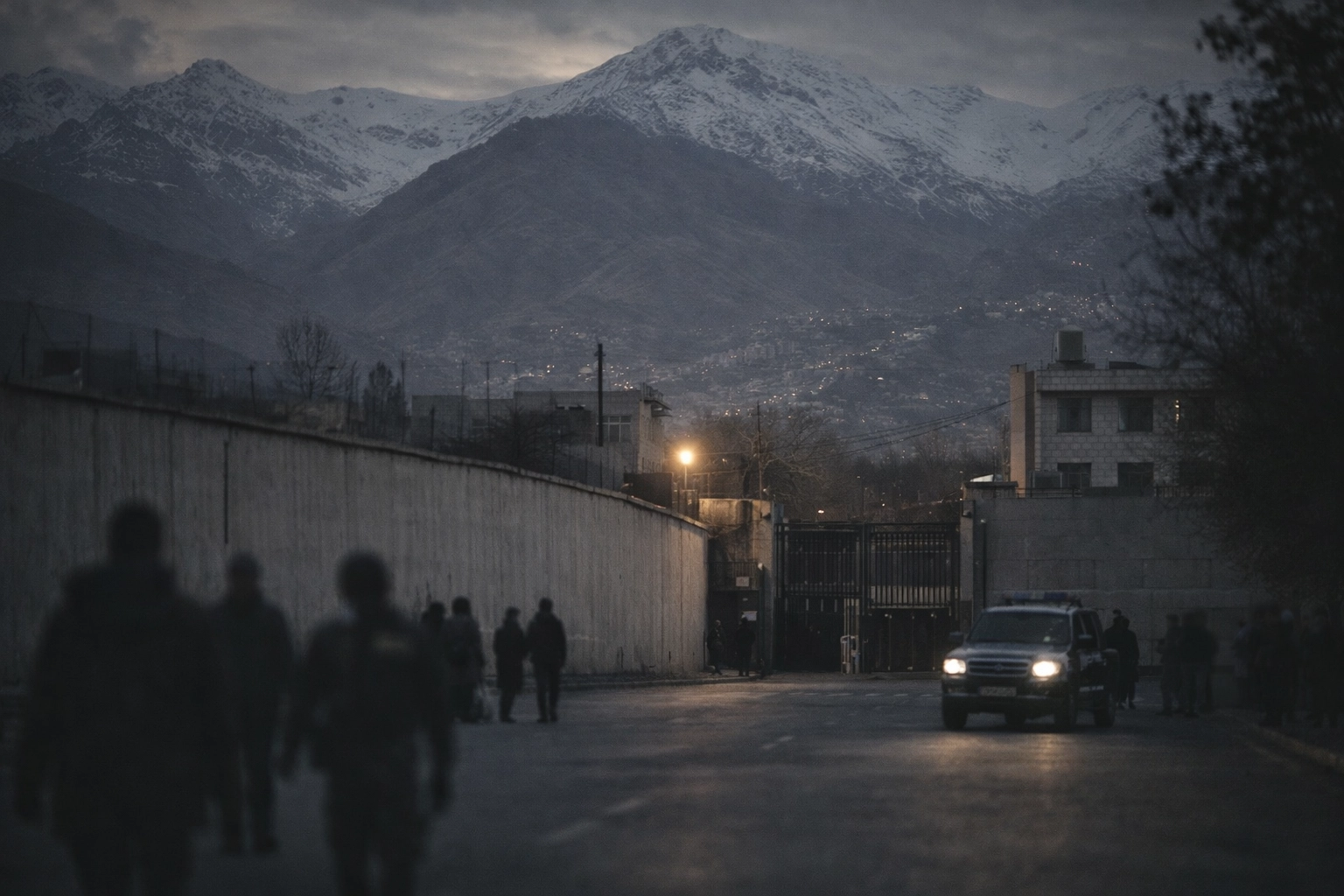
A British couple, sentenced to a decade in Tehran’s notorious Evin prison, has issued a desperate plea to Prime Minister Keir Starmer to secure their release. Lindsay and Craig Foreman, both 53 and originally from East Sussex, have been held by Iranian authorities since January 2025. The couple, who were arrested during a round-the-world motorcycle expedition, are now entering their third week of a renewed hunger strike as they protest what they describe as falsified espionage charges.
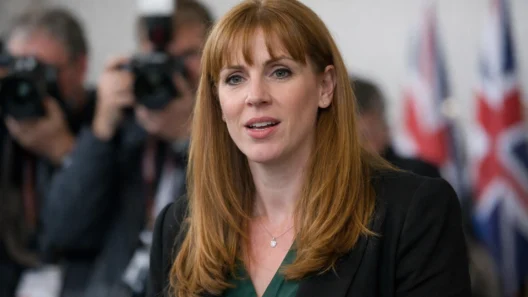
The situation for the Foremans has reached a critical juncture. Having spent over a year in detention, including nearly two months in solitary confinement, the couple’s health is reportedly failing. Their son, Joe Bennett, has led a public campaign to pressure the British government into taking a more assertive stance. The family’s primary demand is for Foreign Secretary Yvette Cooper and the Prime Minister to publicly declare the couple’s total innocence, a move they believe would strip the Iranian judiciary of its justification for their continued imprisonment.
Despite the UK government describing the sentences as "appallingly unjustifiable," the lack of a formal declaration of innocence has left the Foremans feeling deserted. Speaking from the prison, Craig Foreman described a sense of deep frustration, noting that the UK government is fully aware of the facts but has failed to voice them publicly on the international stage.
From Adventure to Arbitrary Detention
The Foremans' journey began as a lifelong dream of traversing the globe on motorcycles. In early 2025, they entered Iran, following all legal protocols established for British travellers. This included securing valid visas, hiring a licensed government-approved guide, and submitting a strictly monitored itinerary to the authorities. Despite these precautions, the couple was intercepted by security forces and accused of gathering sensitive information under the guise of tourism.
The trial, which took place in October 2025 at Branch 15 of Tehran’s Revolutionary Court, has been widely condemned by human rights organisations. Known for its harsh rulings and lack of transparency, Branch 15 oversaw a proceeding where no evidence of espionage was presented to the public or the defence. The Foremans were reportedly denied the right to present a comprehensive defence, and the 10-year sentence handed down was based on "secret evidence" that neither the couple nor their legal representatives were allowed to review.
Legal experts and NGOs have categorised the Foremans' case as a classic example of "hostage diplomacy," where foreign nationals are detained on trumped-up charges to be used as leverage in wider geopolitical negotiations. The Foremans insist that their only "crime" was documenting their travels through photography, a standard practice for any tourist. However, in the eyes of the Revolutionary Guard, these actions were interpreted as intelligence gathering.
The couple’s son, Joe Bennett, has highlighted the meticulous nature of his parents' planning, noting that they had gone above and beyond to ensure they were compliant with Iranian law. The sudden shift from legal tourists to convicted spies has left the family in a state of shock, struggling to navigate the complexities of international law and the opaque nature of the Iranian judicial system.
Inside the Walls of Evin Prison
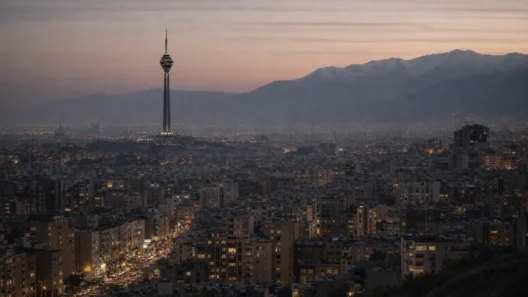
The physical and mental toll of life inside Evin prison is becoming increasingly visible. Located in the Alborz mountains on the edge of Tehran, Evin is infamous for housing political prisoners and those accused of crimes against the state. Since their arrest, the Foremans have endured 56 days of solitary confinement, a practice that international monitors describe as a form of psychological torture.
Current reports from within the prison suggest that conditions have deteriorated significantly as regional tensions escalate. Craig Foreman has described the facility as being in an "active war zone," with the sounds of nearby strikes and explosions causing structural tremors throughout the cell blocks. The couple is reportedly sleeping on metal bunks without mattresses, and access to basic medical care is virtually non-existent.
Craig Foreman is currently suffering from an untreated dental abscess that has caused significant swelling and pain, yet requests for external medical treatment have been repeatedly ignored by prison officials. Lindsay Foreman, who began a hunger strike in late 2025, has since been joined by her husband in a second strike that commenced on March 4, 2026. They are protesting what they call a blatant violation of Iran’s own constitution, which guarantees certain rights to the accused: rights they say have been systematically stripped away.
The weight loss associated with their hunger strike and the poor prison diet has left both Lindsay and Craig in a weakened state. Their family in East Sussex receives only sporadic updates, often through filtered phone calls that offer a glimpse into the harrowing reality of their daily lives. The psychological pressure of being caught in a geopolitical crossfire, combined with the physical deprivation of the prison environment, has brought the couple to a breaking point.
The Political Stalemate in Downing Street
The British government’s response to the Foremans’ plight has become a focal point of criticism. While the Foreign, Commonwealth & Development Office (FCDO) has stated that they are pursuing the case "relentlessly," the family argues that the rhetoric does not match the required action. The Foremans feel that they are being treated as a secondary priority as the UK navigates a complex relationship with Tehran amidst broader Middle Eastern instability.
The demand for a public declaration of innocence is a specific tactic that has been used in previous high-profile detention cases. By naming the Foremans as innocent victims of arbitrary detention, the UK would be escalating the diplomatic stakes. However, Keir Starmer’s administration has thus far maintained a more cautious "consular assistance" approach. This caution, the family argues, only emboldens the Iranian authorities to maintain the 10-year sentence.
Joe Bennett has been vocal about the government's perceived inaction. He has pointed out that while official statements condemn the sentences, there is a distinct lack of visible pressure being applied to secure his parents' freedom. The family’s plea for Starmer and Cooper to "step up" reflects a growing frustration among the relatives of several British nationals currently held abroad.
The Foremans' case is particularly sensitive due to the current geopolitical climate. As of March 2026, the risk of wider conflict in the region has made diplomatic channels more difficult to navigate. Yet, for the Foremans, the urgency cannot be overstated. With their health failing and the threat of further conflict looming over Tehran, every day spent in Evin prison increases the risk of a tragic outcome.
The hunger strike, now entering its third week, serves as a final, desperate attempt to force the hand of the British government. As the Foremans continue to refuse food, the pressure mounts on Downing Street to provide more than just "thoughts and prayers." The family remains hopeful that a public declaration of innocence could be the key to unlocking the prison doors, but until that happens, Lindsay and Craig Foreman remain abandoned in one of the world's most dangerous environments.