As we cross the threshold of the second month of this conflict, the digital landscape is being flooded with a new kind of intensity. For the first thirty-three days, the narrative of the war between the coalition forces and Iran was largely defined by grainy satellite imagery, high-altitude drone feeds, and official press releases from distant command centres. However, Day 34 marks a significant shift in the visibility of the conflict. Ground footage has begun to surface from within the borders of Iran, offering a raw and unsettling look at the realities of a modern ground war that many hoped would remain a series of surgical aerial strikes. This influx of content provides a rare opportunity for investigative journalism UK outlets to piece together a more comprehensive picture of the situation on the ground, revealing the untold stories that are often lost in the noise of high-level geopolitical posturing.
The emergence of this footage coincides with a dramatic escalation in rhetoric and military movement. While the world has watched the exchange of missiles and the implementation of heavy sanctions, the prospect of a full-scale ground invasion has transitioned from a theoretical "worst-case scenario" to an unfolding reality. The clips circulating on social media and encrypted messaging platforms show a country braced for impact, with military assets and civilian populations alike caught in a cycle of preparation and defensive manoeuvring. As we sift through these videos, the complexity of the urban terrain and the sheer scale of the defensive fortifications become clear, suggesting that any further escalation will be met with a deeply entrenched and highly motivated resistance.
Elite Forces and the IRGC’s Defensive Posture
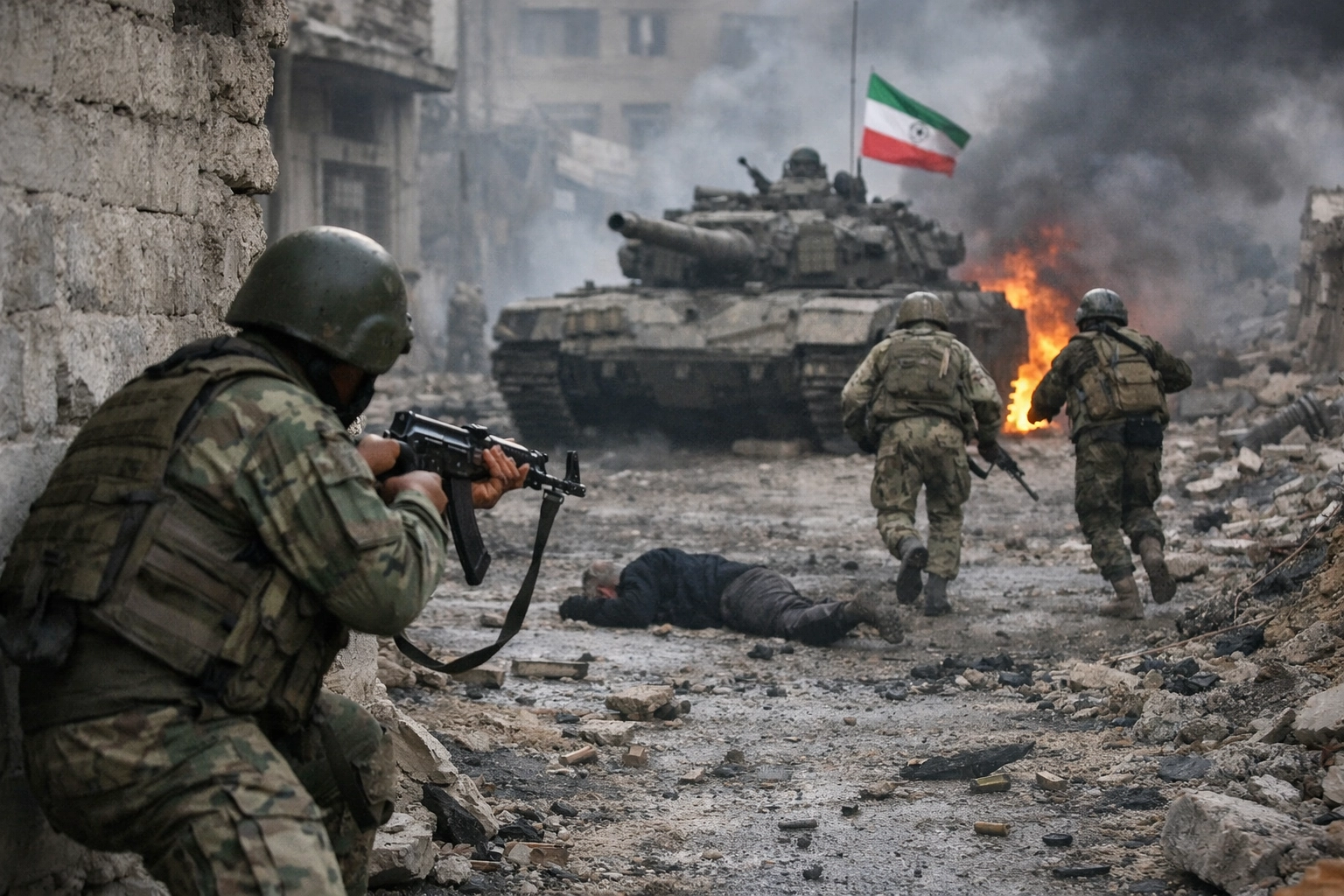
The most striking aspect of the recently surfaced ground footage is the prominent role of the Islamic Revolutionary Guard Corps (IRGC). A series of professionally produced, high-definition videos have been released through state-affiliated channels, seemingly designed to demonstrate the readiness of Iran’s elite commando units. In these clips, IRGC personnel are seen in full combat gear, conducting drills in urban environments and mountainous terrain that mirror the predicted entry points for coalition ground forces. This is more than just military exercise; it is a calculated piece of psychological warfare. By showcasing their commandos in such a visible manner, the Iranian military is sending a direct message to the West about the potential cost of a ground-based offensive.
These videos often feature commanders speaking directly to the camera, challenging coalition forces to move closer to Iran's borders. The tone is defiant, emphasising that while the coalition may control the skies, the ground remains under Iranian sovereignty. For those of us following these untold stories, the footage highlights the tactical shift towards asymmetric warfare. The IRGC appears to be leveraging the country’s vast and varied geography to create a "defence in depth" strategy. This involves not just traditional military units, but a coordinated effort to integrate paramilitary forces and local militias into a unified defensive grid. The footage shows hidden tunnel networks, camouflaged artillery positions, and the deployment of mobile anti-tank units, all of which suggest that a ground war would be a gruelling and protracted affair.
Furthermore, the ground footage provides a glimpse into the sophisticated nature of the hardware being deployed. Despite years of sanctions, the equipment used by these elite units appears modern and well-maintained. We see thermal optics, advanced communication arrays, and locally manufactured drones being integrated into squad-level operations. This level of technical proficiency complicates the narrative of a technologically inferior force and underscores the importance of investigative journalism UK in verifying the origins and capabilities of these systems. As Day 34 unfolds, the visual evidence of these elite forces serves as a sobering reminder that the theatre of war is rapidly expanding beyond the reach of remote-controlled warfare.
Strategic Infrastructure and the Impact of Precision Strikes
While the Iranian ground footage focuses on personnel and readiness, new clips from coalition sources and local residents highlight the devastating impact of ongoing precision strikes on Iran's strategic infrastructure. One of the most significant developments on Day 34 is the confirmed destruction of a major transit link. Footage has emerged showing the aftermath of a strike on what was intended to be Iran’s tallest bridge: a massive 136-metre structure designed to connect Tehran with the western city of Karaj. The bridge, which was still under construction, now sits in ruins, a skeleton of steel and concrete that symbolises the disruption of the nation’s internal logistics.
The destruction of such a landmark is not just a tactical success in terms of cutting off supply lines; it is a heavy blow to the national psyche. The Tehran-Karaj bridge was a point of pride for Iranian engineering and a vital component of future economic growth. Its loss, coupled with strikes on air defence systems and missile silos across the western provinces, indicates a systematic effort by coalition forces to "decapitate" the country’s ability to move troops and equipment effectively. However, the ground footage from civilians in these areas tells a more nuanced story. We see blocks of residential buildings with shattered windows, queues at fuel stations that stretch for miles, and the constant hum of emergency sirens. The precision of the strikes is being tested by the proximity of military targets to civilian centres, leading to an atmosphere of constant fear and uncertainty.
Reports from western Tehran indicate that evacuation warnings have become a daily occurrence. The ground footage captured by residents shows families packing what they can into cars and heading towards the interior of the country. This displacement is creating a humanitarian shadow over the military objectives. While the coalition maintains that its targets are strictly military, the reality of living under the threat of "Stone Age" bombing, as referenced in recent international rhetoric, is clearly visible on the faces of those on the ground. The untold stories of these displaced families provide a stark contrast to the polished military videos released by the IRGC, reminding us that infrastructure is more than just concrete and steel: it is the lifeblood of a civilian population now caught in the crossfire.
The Human Cost and the Search for Untold Stories
Beyond the tactical manoeuvres and the destruction of infrastructure, the ground footage surfacing on Day 34 forces us to confront the human cost of this thirty-four-day-old war. In the absence of traditional international media access in many parts of the country, social media has become the primary gallery for the war’s domestic impact. We are seeing clips from local hospitals where medical supplies are reportedly running low, and footage from community-led distribution centres where bread and water are being rationed. This is where the practice of investigative journalism UK becomes vital: parsing through these clips to distinguish between state-led propaganda and the authentic experiences of the Iranian people.
One particularly moving piece of footage shows a small neighbourhood in the outskirts of Tehran where residents have turned a park into a makeshift bomb shelter. The community spirit is evident, but so is the exhaustion. These are the untold stories of a war that is often discussed in terms of "theatres" and "sorties" rather than lives and livelihoods. The ground footage reveals a society in a state of total mobilisation, where schools have been converted into barracks and factories are pivoting to support the war effort. The psychological toll of thirty-four days of high-intensity conflict is beginning to show, with ground footage capturing moments of both intense nationalism and quiet despair.
As the day comes to a close, the international community remains on edge. The transition from air strikes to the very real possibility of a ground invasion, as evidenced by the IRGC's defensive posturing and the coalition's infrastructure targets, suggests that the conflict is entering a new and even more dangerous phase. The ground footage surfacing today has stripped away the sterile veneer of modern warfare, replacing it with the dusty, chaotic reality of the front line. Whether through the lens of a commando’s body cam or a civilian’s smartphone, the images of Day 34 provide a chilling preview of what may lie ahead. The task for journalists and observers now is to ensure that these stories are not buried under the weight of official narratives, but are instead used to understand the true depth of this unfolding crisis.
The conflict continues to evolve with rapid and unpredictable movements on both sides. The international community watches closely as the military postures of both the coalition and Iran suggest that the coming days will be critical in determining the long-term trajectory of the war. With infrastructure failing and elite forces moving into position, the focus remains on the ground, where the reality of the war is most acutely felt by those living through it. All eyes are on the potential for further escalation as the world waits to see if diplomacy can find a foothold or if the ground war will continue to expand.