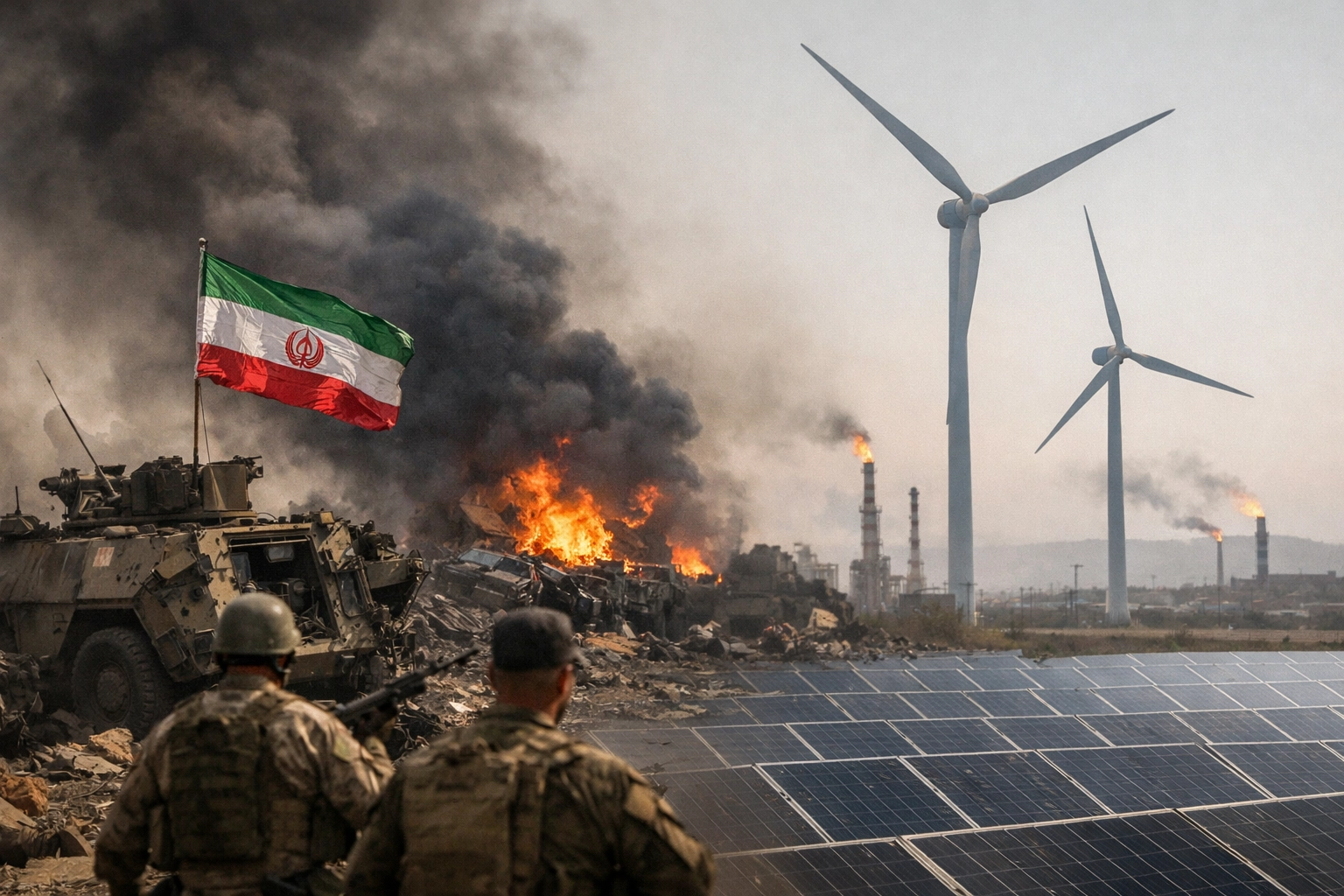
The global landscape for renewable energy has faced many hurdles over the last decade, but few challenges have been as immediate or as disruptive as the current conflict involving Iran. For years, the international community has focused on a steady shift away from fossil fuels, aiming for ambitious net-zero targets by the middle of the century. However, as the geopolitical situation in the Middle East deteriorates, the priorities of major world powers are shifting rapidly.
The tension has moved beyond diplomatic disagreements and into a phase of direct physical and economic confrontation. While the human cost remains the primary concern, the secondary effects on the global climate strategy are becoming increasingly clear. National governments, once champions of solar, wind, and tidal power, are now looking back toward traditional energy sources to ensure immediate stability for their citizens.
This shift is not just a temporary pause in green investment; it represents a significant structural change in how nations view energy security. When the lights are at risk of going out, the long-term health of the planet often takes a backseat to the short-term needs of the economy.
Energy Security and the Fossil Fuel Pivot
The immediate impact of the conflict has been felt most acutely in the energy markets. The Strait of Hormuz, a narrow waterway through which roughly twenty per cent of the world's oil and liquefied natural gas (LNG) flows, has become a focal point of the crisis. Threats to this critical chokepoint have sent shockwaves through global supply chains, causing oil prices to surge from around $71 to over $100 a barrel in a matter of weeks.
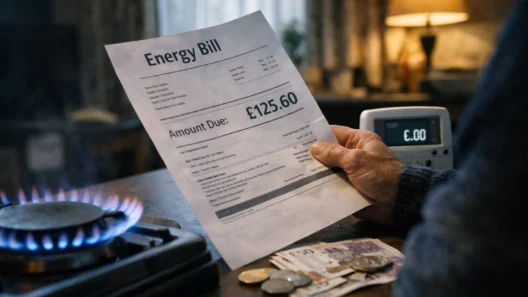
When energy prices spike so dramatically, the political pressure on governments to act is immense. In the UK and across Europe, the cost of living is directly tied to the price of fuel and gas. To mitigate these costs, many leaders are prioritising fossil fuel security over green transitions. We are seeing a resurgence in domestic coal production and a rush to secure new long-term contracts for crude oil and LNG from alternative sources.
This "fossil fuel pivot" is a survival mechanism. In times of war or significant instability, the reliability of existing infrastructure: like gas-fired power stations: often outweighs the potential of half-finished renewable projects. The logic is simple but damaging for the climate: it is easier to ramp up production at an existing refinery than it is to wait for a new offshore wind farm to come online. This retreat to traditional energy sources risks locking in carbon emissions for decades to come, as new investments in fossil fuel infrastructure usually require long lifespans to be economically viable.
The disruption has also affected specific facilities that were key to the global transition. For instance, Iranian drone activity recently targeted Qatar’s Ras Laffan gas facility. This site is responsible for a significant portion of the world's LNG supply. When such facilities pause production, the resulting scarcity forces countries to look for any available energy source, often choosing the most carbon-intensive options simply because they are available.
Economic Volatility and Supply Chain Strains
Beyond the direct supply of oil and gas, the war is creating a secondary crisis in the supply chains required for green technology. The transition to a net-zero world depends heavily on "critical minerals" such as lithium, cobalt, copper, and nickel. These materials are essential for the production of electric vehicle batteries, wind turbines, and solar panels.
The geopolitical shock caused by the conflict has led to extreme market volatility, which in turn has increased the cost of borrowing. Renewable energy projects are notoriously capital-intensive at the start. Unlike a gas plant, where costs are spread over years of fuel purchases, a solar park or a wind farm requires a massive upfront investment. When interest rates rise and investment confidence wavers due to war, the financing for these green projects becomes significantly more expensive.
Furthermore, the logistical routes used to transport these minerals are being disrupted. Much of the global shipping industry is avoiding high-risk zones, leading to longer travel times and higher freight costs. For a company trying to build a battery factory in the UK, the increased cost of shipping raw materials from overseas can make the entire project financially unviable.
We are also seeing a shift in how private capital is allocated. Investors who were previously focused on Environmental, Social, and Governance (ESG) criteria are now moving funds into the defence and traditional energy sectors, viewing them as "safer" bets during a time of global conflict. This diversion of capital is a major blow to the green energy sector, which relies on a steady flow of private investment to scale up new technologies.
The Paradox of High Prices and Green Transition
There is a strange paradox at the heart of this crisis. On one hand, the high price of fossil fuels makes renewable energy more price-competitive. In theory, if petrol and gas are expensive, consumers and businesses should be more incentivised to switch to electric vehicles and heat pumps. However, the reality on the ground is more complicated.
While clean energy is indeed competitive on a unit-per-unit basis, the instability caused by the war creates an environment where long-term planning is difficult. Governments are so focused on crisis management: subsidising energy bills and securing emergency oil reserves: that they have less bandwidth and fewer resources to devote to the stable, long-term policies that the green transition requires. International cooperation, which is vital for meeting global climate targets, is also a casualty of war. Diplomacy is now focused on alliances and sanctions rather than shared environmental goals.
Some analysts argue that this crisis could eventually provide the "kickstart" that the green transition needs. They suggest that the vulnerability of fossil fuel supplies will prove, once and for all, that renewables are the only way to achieve true energy independence. If a country generates its own power from wind and sun, it cannot be held hostage by a conflict thousands of miles away.
While this argument holds weight in the long term, the short-term reality is much bleaker. The immediate response to the Iran conflict has been a dash for gas and oil. The momentum that was building toward a greener future has been slowed by the necessity of national security. For the climate, time is a luxury we do not have, and every month spent focusing on fossil fuel security is a month lost in the fight against global warming.
The path forward will require a difficult balancing act. Leaders must find a way to navigate the immediate energy shortages without abandoning their climate commitments. It is a tall order, especially when the geopolitical map is being redrawn in real-time. The conflict in the Middle East serves as a stark reminder that the transition to a sustainable world is not just a technical or economic challenge, but a deeply political one that is susceptible to the whims of global instability.
In conclusion, the war involving Iran has created a dual crisis: a threat to global peace and a significant setback for the green energy transition. The reliance on fossil fuels as a safety net during times of trouble highlights the fragility of our current climate strategy. As the world watches the unfolding conflict, the challenge will be to ensure that the search for security today does not sacrifice the habitability of the planet tomorrow. Moving forward, the integration of energy security and climate goals must be more robust to survive the inevitable shocks of a volatile geopolitical world.