You know those high-stakes Hollywood movies where a group of suave thieves bypasses lasers and pressure sensors to nab a priceless diamond? Usually, there’s a lot of slow-motion jumping and dramatic music. But in the real world, specifically in the quiet corners of Northern Italy, things go down a lot faster and with much less fanfare. We’re talking about a heist so quick you could have missed it while making a cup of tea.
Earlier this week, the Magnani Rocca Foundation museum, nestled near the charming city of Parma, became the stage for one of the most audacious art thefts in recent memory. In just three minutes: less time than it takes to boil an egg: four masked individuals managed to walk away with three masterpieces worth a staggering €9 million. It’s the kind of story that reminds us why independent news uk outlets like ours are so obsessed with bringing you the untold stories that mainstream headlines sometimes gloss over.
There’s something particularly chilling about how clinical the whole thing was. No one was hurt, no shots were fired, and the thieves didn't hang around to admire the view. They knew exactly what they wanted, where it was, and how to get out before the local Carabinieri could even get their engines started. It leaves us wondering: how does a museum containing some of the world’s most significant French art become so vulnerable, so quickly?
The lightning-fast disappearance near Parma
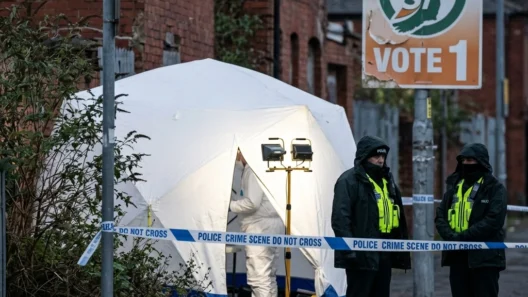
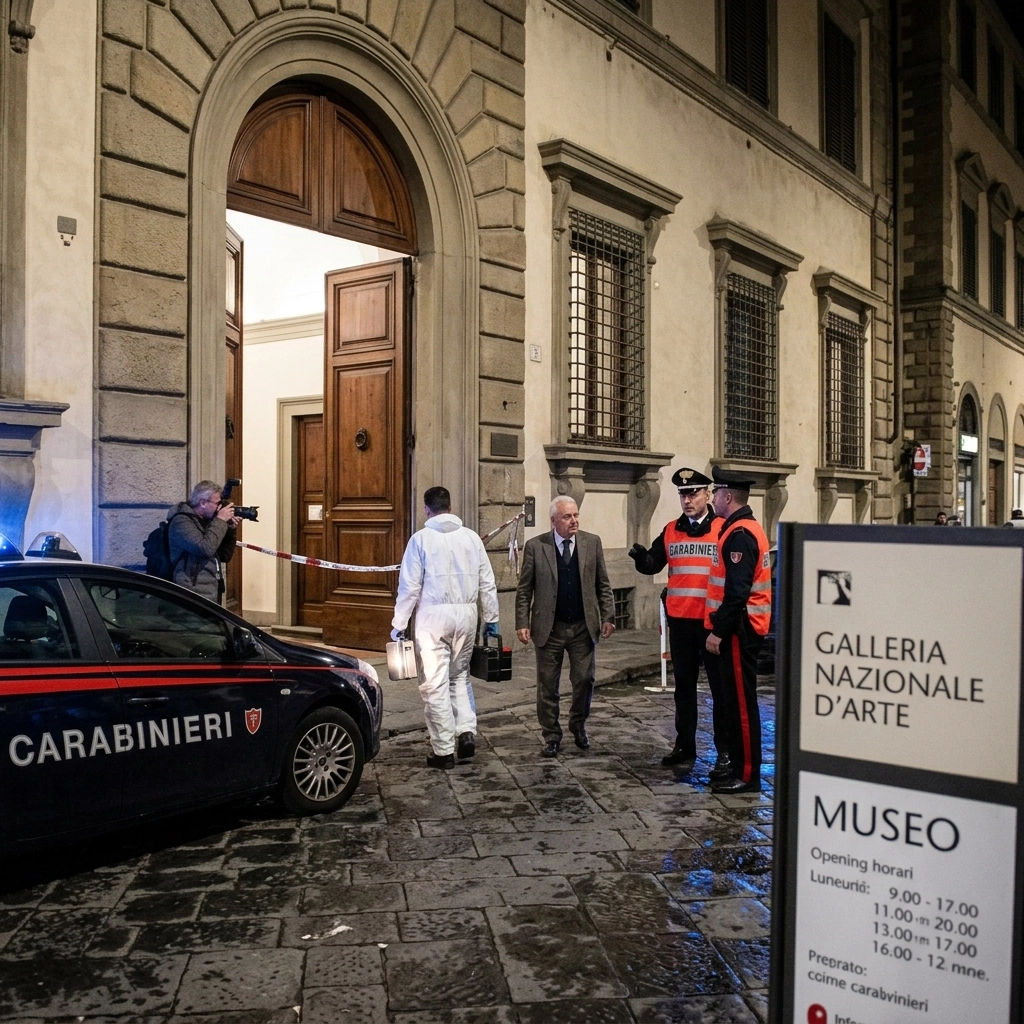
Let’s set the scene for you. It’s the dead of night between March 22nd and 23rd. The Magnani Rocca Foundation is normally a place of serene beauty, housing the incredible collection of Luigi Magnani. But on this particular night, it became a crime scene. According to the early reports coming out of the investigation, four masked men forced their way through the front doors. They didn't bumble around or get lost in the gift shop; they headed straight for the first-floor gallery where the French works were displayed.
The sheer speed of the operation is what’s really rattling the art world. From the moment they breached the entrance to the moment they vanished into the surrounding gardens, only about 180 seconds had passed. It wasn't just a robbery; it was a sprint. The museum’s alarm systems did exactly what they were supposed to do: they screamed their heads off: and the police response was remarkably swift. But even "swift" wasn't fast enough to catch a crew this organised.
The Italian authorities, including the specialised Cultural Heritage Protection Unit from Bologna, are currently pouring over every frame of surveillance footage. They aren't just looking at the museum’s cameras, either. They’re scouring recordings from neighbouring businesses and traffic stops, trying to find a lead on the vehicle used for the getaway. The foundation itself described the heist as "structured and organised," which is a polite way of saying these weren't some local teenagers looking for a thrill. These were professionals who likely had a buyer lined up before they even put their masks on.
Interestingly, the museum director has already resigned in the wake of the theft. It’s a move that suggests a massive failure in security protocols or perhaps just the sheer weight of the loss being too much to bear. When masterpieces of this calibre go missing on your watch, the pressure is immense. It’s one of those untold stories of professional accountability that rarely gets the attention it deserves amidst the glitz of the heist itself.
Renoir, Matisse, and Cézanne under the hammer
So, what exactly did they take? They didn't just grab the biggest frames they could find. They picked three specific French masterpieces that are essentially the "crown jewels" of that particular wing. First up was Pierre-Auguste Renoir’s Les Poissons. This painting alone is valued at roughly €6 million. Renoir is a giant of the Impressionist movement, and Les Poissons is a stunning example of his ability to capture light and life. It’s the kind of painting that art students travel across the world to see, and now it’s sitting in some dark basement or a back-alley van.
Then there’s Henri Matisse’s Odalisque on the Terrace. Matisse is legendary for his use of colour and his revolutionary approach to form. His "Odalisque" series is world-famous, and having one stolen is a massive blow to the cultural heritage of the region. Finally, the thieves nabbed Paul Cézanne’s Still Life with Cherries. Cézanne is often cited as the bridge between Impressionism and Cubism; his still-life works are masterclasses in composition.
Collectively, these three paintings are worth around €9 million, or about $10.3 million for those of you following the markets across the pond. But as any art lover will tell you, the financial value is almost secondary. These are irreplaceable pieces of history. You can’t just go out and buy another 19th-century Cézanne that carries the same weight and provenance.
The big question now is: what do you do with a stolen Renoir? You can’t exactly list it on eBay or take it to a local auction house without someone noticing. Most experts believe these paintings are destined for the "black market," where wealthy, unscrupulous collectors pay for the privilege of owning something no one else can see. It’s a shadowy world that feels like it belongs in a spy novel, but for the investigators in Parma, it’s a very frustrating reality. These works are so famous that they are essentially unsellable in any legitimate capacity, which makes the heist even more confusing for those hoping for a quick recovery.
A museum world on high alert across Europe
This isn’t just an Italian problem. The art world is feeling a bit twitchy right now, and for good reason. This heist in Parma comes just months after a high-profile robbery at the Louvre in Paris last October. When big museums start getting hit in quick succession, people start using words like "copycat" and "syndicate." There’s a growing fear that international gangs are specifically targeting European museums that might have slightly more relaxed security than the giant fortresses like the British Museum or the Uffizi.
The Magnani Rocca Foundation is a private institution, and while it’s incredibly prestigious, it might not have the same level of paramilitary-style security you’d find at a national gallery. This heist has sparked a massive debate across the continent about how we protect our cultural treasures. Should every small museum be turned into a bunker? Or does that ruin the experience of actually going to see art? It’s a tough balance to strike, especially when you’re dealing with "structured and organised" criminals who seem to be one step ahead.
As independent news uk fans know, these stories often have layers. There’s the crime, there’s the loss of art, and then there’s the impact on the local community. Parma is a city proud of its culture, and to have three masterpieces snatched from its doorstep is a punch to the gut. The Carabinieri are working around the clock, and the Cultural Heritage Protection Unit is one of the best in the world: they’ve recovered thousands of stolen items over the decades. But every day that passes without a lead makes the chances of seeing Les Poissons back on its wall just a little bit slimmer.
The museum world is currently watching the investigation with bated breath. If these thieves aren't caught, it could signal open season on smaller, private foundations across Europe. It’s a wake-up call for curators everywhere. The "three-minute heist" has proven that you don't need a complex plan involving tunnels and explosives; sometimes, all you need is a bit of speed, a few masks, and a very fast car. We’ll be keeping a close eye on this one as the search continues, hoping that these masters of the canvas find their way back home soon.
It’s a reminder that history is fragile. Whether it’s a painting or a piece of architecture, once it’s gone, the gap it leaves is huge. For now, the first-floor gallery of the Magnani Rocca Foundation remains a little emptier, and the art world remains a little more on edge. Stay tuned with us for more untold stories as we follow the trail of the missing masterpieces.